Dog Dental Care: A Home Routine That Sticks
Most dogs have dental disease by age three, and most owners never look inside the mouth. The fix is a two-minute habit — built the same way you built every other one.
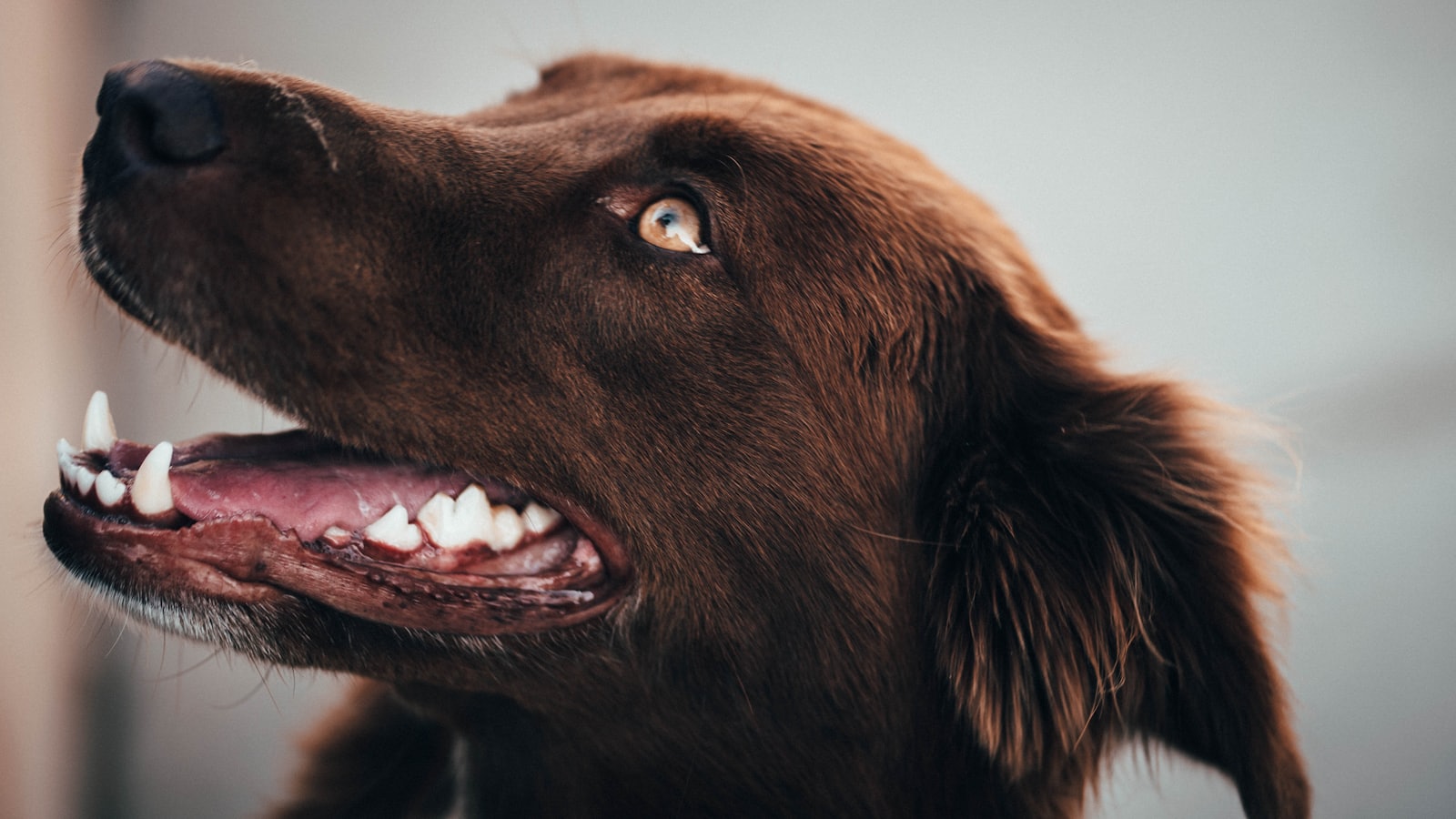
"Dog breath" gets played for laughs, but here's the unfunny statistic behind it: by age three, most dogs already show early periodontal disease — inflamed gums, tartar, the slow-motion process that costs teeth and, untreated, showers bacteria toward the heart and kidneys. The good news is almost absurdly practical: the single most effective thing you can do costs three dollars and takes two minutes a day. It's a toothbrush. The trick is building the habit so your dog volunteers for it.
Dog breath isn't a punchline. It's usually the smell of a disease you can brush against.
📋 Quick Read
- Periodontal disease is the most common condition vets see in adult dogs — and it's largely preventable with home care started before it hurts.
- Brushing is the gold standard (daily is best; several times a week still works) — but only with dog toothpaste. Human paste isn't made to be swallowed and doesn't belong in a dog.
- Home care and professional cleanings are partners, not rivals: brushing slows the tartar clock dramatically, and your vet handles what's already below the gumline.
Train the brush like a trick
Skip the ambush. Week one: dog toothpaste (poultry-flavored, made to swallow) licked off your finger — congratulations, toothpaste is now a treat. Then your finger, with paste, rubbed along the outer surfaces of a few teeth at the gumline; then a finger brush or soft dog toothbrush, a few teeth at a time, back-and-forth where gum meets tooth. Outer surfaces are the target (the tongue patrols the inner ones), the back upper molars are the tartar capital, and ten calm seconds that end well beat two wrestled minutes. Grow toward most-days brushing; the Handling lesson's touch-tolerance work is the foundation this sits on.
The supporting cast (and the imposters)
Dental chews, coated kibbles, water additives, and rubber chew toys can genuinely help — as supplements to brushing, not substitutes. Look for the VOHC (Veterinary Oral Health Council) seal, which marks products with actual evidence behind their plaque or tartar claims. Be pickier about hard things: antlers, hooves, bones, and hard nylon can crack teeth outright (a slab fracture trades tartar for a root canal), and the old tennis-ball habit sandpapers enamel over years. The thumbnail test is a decent filter — if you can't dent it with a thumbnail, it's probably too hard to be a daily chew.
The professional half of the partnership
Even great home care can't reach below the gumline, which is where periodontal disease actually lives — so your vet's dental exams, and professional cleanings when recommended, complete the system. A proper veterinary cleaning happens under anesthesia (scaling below the gumline and dental X-rays are impossible on an awake dog), which is also why "anesthesia-free dental cleanings" are mostly cosmetic — they polish the visible crown while the disease continues below, and the AVMA and veterinary dental groups caution against them as a substitute. Anesthesia questions are fair and worth asking your vet directly; modern protocols and monitoring have made routine dentals very safe for healthy dogs, and untreated dental disease has its own quiet costs.
🚨 Call Your Vet ASAP If…
- Facial or jaw swelling, or an eye that suddenly bulges or waters on one side — dental abscesses go there
- Bleeding from the mouth, a broken or suddenly discolored tooth, or pawing at the mouth
- Refusing food or dropping kibble in a dog who normally eats well
- Drooling that's new and persistent, especially with foul breath
This article is for education — it isn't a substitute for veterinary care.
🗓 This Week's Plan
- Days 1–3: Buy dog toothpaste and a soft brush; paste becomes a lick-off-the-finger treat.
- Days 4–5: Finger-rub the outer gumline on a few teeth; do the first flip-the-lip inspection and photo.
- Days 6–7: First real brush contact on the back molars, ten seconds, party after. Start the streak.
Start the brushing streak in Pak Social
Tonight: one lick of poultry toothpaste, on the house. Three weeks of tiny ramps later, you'll own the two-minute habit that keeps teeth in your dog's mouth for a lifetime.
Get Pak Social — Free ➡️ Up nextGrooming Schedules by Coat Type5 min read›