Cold-Weather Gear Worth Buying: A Practical Guide
Winter gear for dogs ranges from genuinely protective to pure novelty. Which dogs actually need a coat and boots, which don't, and what's worth the money — here's how to gear up for cold without wasting it.
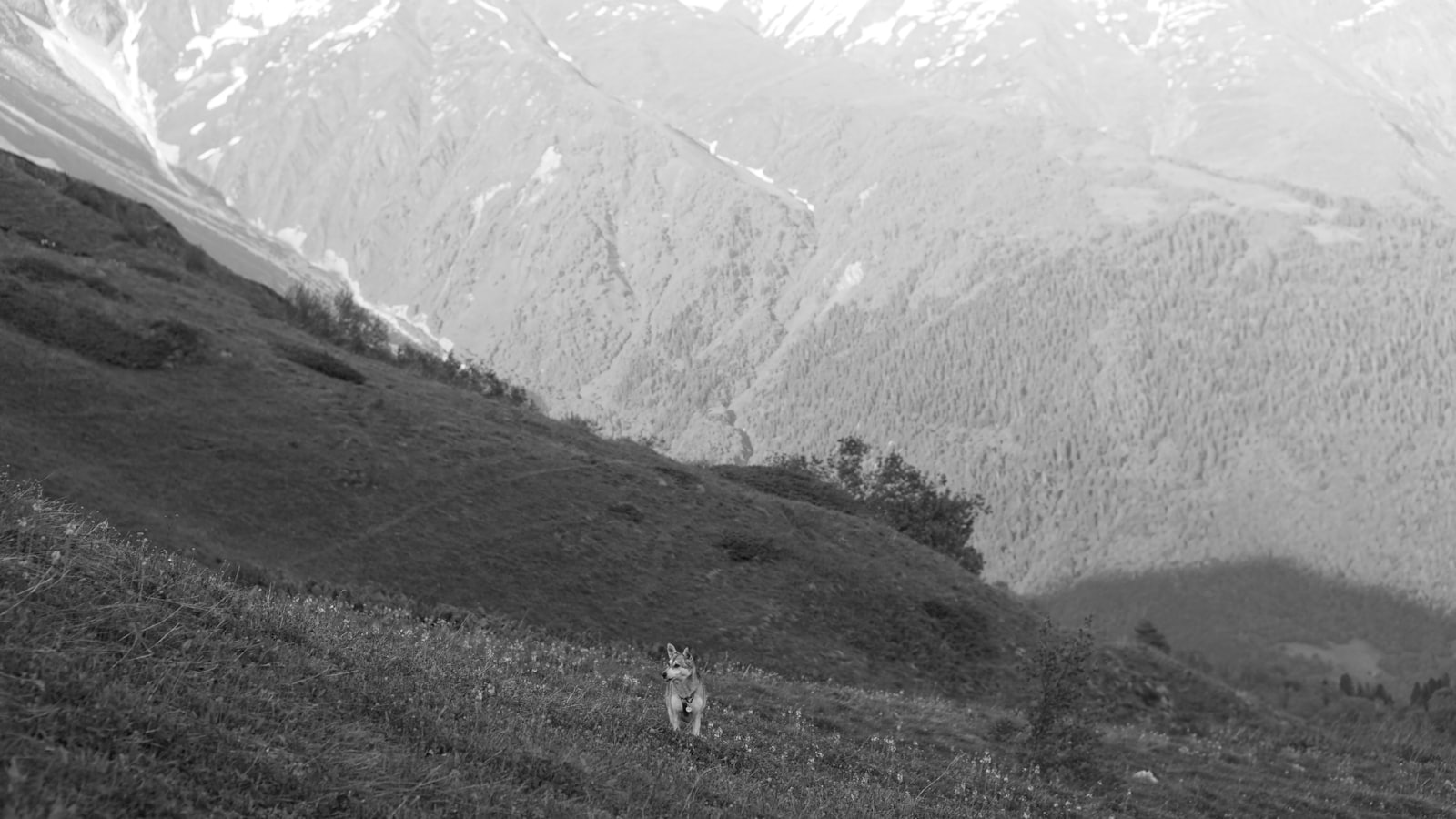
When the temperature drops, the winter-gear aisle fills with coats, booties, paw balms, and sweaters — some genuinely protective, some pure fashion. The key is knowing which dogs actually need cold-weather gear (many do, some don't) and which items are worth buying versus skipping. A thin-coated or small dog can genuinely suffer or even face frostbite and hypothermia risk in real cold, while a thick-coated northern breed may be happiest in the snow with nothing at all. Match the gear to your dog's cold tolerance and your climate, buy the items that solve a real problem, and skip the novelties, and winter becomes safe and comfortable.
Some dogs genuinely need winter gear and some don't — match it to your dog's coat and your climate, buy what solves a real problem, and skip the novelty.
📋 Quick Read
- Who needs it: thin-coated, small, short-legged, very young, senior, or ill dogs feel cold acutely and often need coats (and sometimes boots) in real winter.
- Who often doesn't: thick double-coated northern and cold-hardy breeds are built for cold and frequently need no coat, though paws and extreme cold still warrant care.
- Worth buying: a well-fitting insulated coat for dogs that need one, booties for ice/salt/rough-cold terrain, and paw balm; skip pure-novelty items that don't solve a problem.
Figure out whether your dog actually needs cold gear
The first question isn't which coat to buy — it's whether your dog needs one. Cold tolerance varies hugely. Thin-coated breeds (Greyhounds, Whippets, many short-haired dogs), small dogs and short-legged dogs (they're closer to the cold ground and lose heat faster), puppies, seniors, and dogs that are ill all feel cold acutely and can genuinely suffer in real winter — for these dogs, a warm, well-fitting coat is protective, not decorative, and in serious cold they face real frostbite and hypothermia risk. If your dog shivers, hunches, lifts its paws, or wants to rush back inside, it's telling you it needs help against the cold.
At the other extreme, thick double-coated northern and cold-hardy breeds — Huskies, Malamutes, Newfoundlands, Samoyeds and the like — are built for cold and are frequently happiest in the snow with no coat at all; adding one is usually unnecessary and can even make them too warm. Most dogs fall somewhere between, so judge by the individual dog and the actual temperature. Matching gear to genuine need is what separates protective buying from wasteful buying.
Buy the protective items, skip the novelty
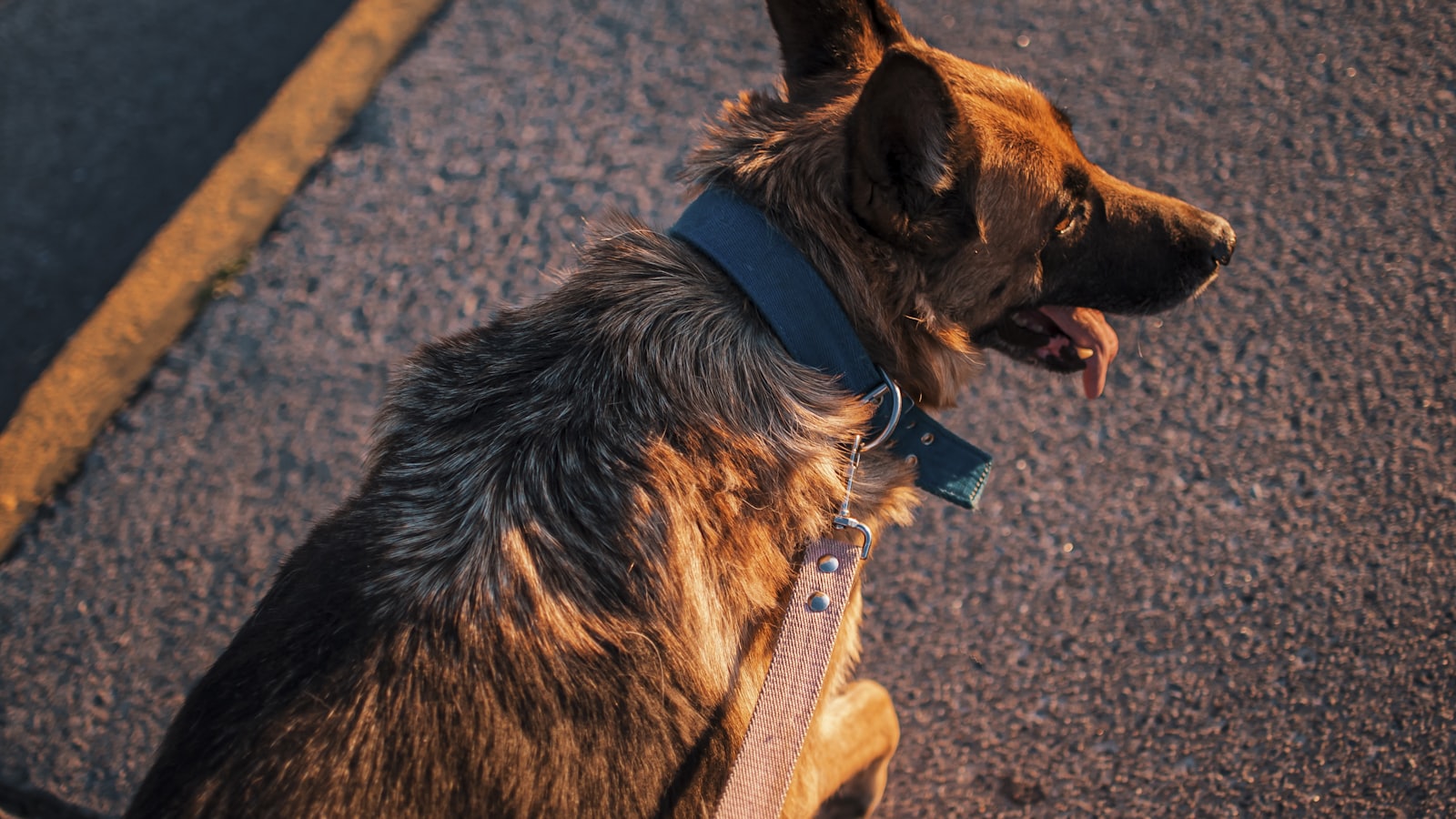
For dogs that need cold gear, a few items genuinely earn their keep. The core piece is a properly fitted insulated coat that covers the chest and belly (where dogs lose heat), snug enough to stay put and warm without restricting movement — a poorly fitting coat is useless or worse. Booties are the next most useful item, protecting paws from ice, frozen rough terrain, and especially from de-icing salt and chemicals, which irritate pads and are toxic if licked off; many dogs need a little patience to accept boots, but they're worth it in salty, icy conditions. Paw balm is a cheaper alternative or supplement that protects and soothes pads. Beyond that, most winter 'fashion' is novelty — cute, but not solving a real problem — so skip it unless your dog needs the warmth.
Remember that gear is only part of cold safety. Even a well-dressed dog shouldn't spend long periods in extreme cold — limit time outside as temperatures drop, watch for shivering, hunching, or reluctance that signal your dog is too cold, and wipe paws (and belly) after walks to remove salt and ice-melt chemicals before your dog licks them. Match the coat and boots to a dog that genuinely needs them, use paw balm, and pair the gear with sensible time limits and paw care, and winter stays safe and comfortable.
- A well-fitting insulated coat (chest + belly coverage) for thin-coated/small/senior dogs
- Booties for ice, rough frozen ground, and de-icing salt
- Paw balm to protect and soothe pads
- A towel by the door to wipe paws/belly (remove salt) after walks
- Sensible time limits outside as it gets colder
- Skipped: pure-novelty items that don't add warmth or protection
🗓 This Week's Plan
- Days 1–2: Assess your dog's cold tolerance (coat, size, age, health) and decide whether it genuinely needs a coat and/or boots.
- Days 3–5: If it does, buy a well-fitting insulated coat and, for icy/salty areas, booties and paw balm; skip the novelty items.
- Days 6–7: Set winter routines — time limits in extreme cold and wiping paws after walks to remove salt.
Gear up for cold with Pak Social
Match the coat and boots to a dog that needs them, use paw balm, and pair gear with time limits and paw care. Pak Social keeps winter safe and comfortable — without wasteful buys.
Get Pak Social — Free ➡️ Up nextWinter Coats and Booties: Needed or Not?6 min read›