Car-Ride Nerves and Motion Sickness
Drooling, whining, or worse before you've left the driveway? Here's how to rebuild the car from a scary box into a place good things happen — one short, calm step at a time.
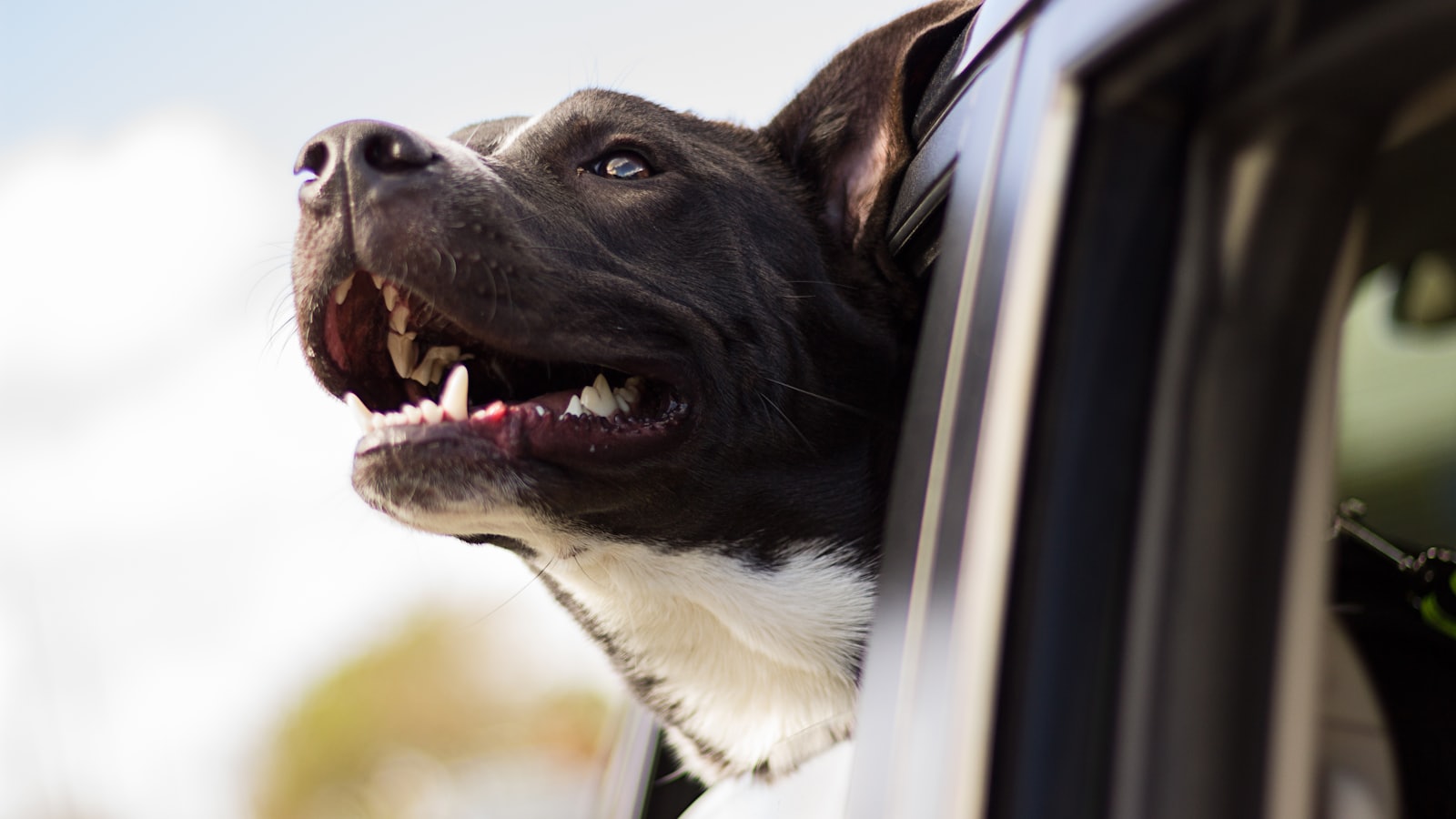
The leash comes out, tails wag, and then your dog sees the open car door and the whole mood collapses — planted feet, a low whine, a rope of drool, maybe a puddle on the back seat before you've reached the end of the street. It's miserable for both of you, and it quietly shrinks your dog's world to wherever their paws can walk. The good news: car trouble almost always has two untangleable-by-guessing causes — a queasy inner ear and a nervous mind — and both respond beautifully to the same patient approach. You don't force a scared dog to 'get used to it.' You rebuild the car, from the ground up, into a place where nothing bad happens and good things do.
A dog doesn't hate the car. They hate what the car has always meant. Change the meaning and you change the dog.
📋 Quick Read
- It's usually two problems, not one: motion sickness (a physical inner-ear queasiness, very common in puppies whose balance system is still developing) and travel anxiety (a learned fear of the car and where it goes). Sorting which one you're facing shapes the fix.
- Many puppies simply outgrow the queasiness by about a year as the inner ear matures — but the fear doesn't fade on its own, and a bad-vomit-and-panic association can outlast the physical cause if you don't rebuild the experience.
- The fix is gradual and boring on purpose: desensitization (tiny, non-scary steps toward the car) paired with counterconditioning (great things happening at each step), plus practical anti-nausea moves — and a vet chat if drooling or vomiting is in the picture.
First, figure out which problem you have
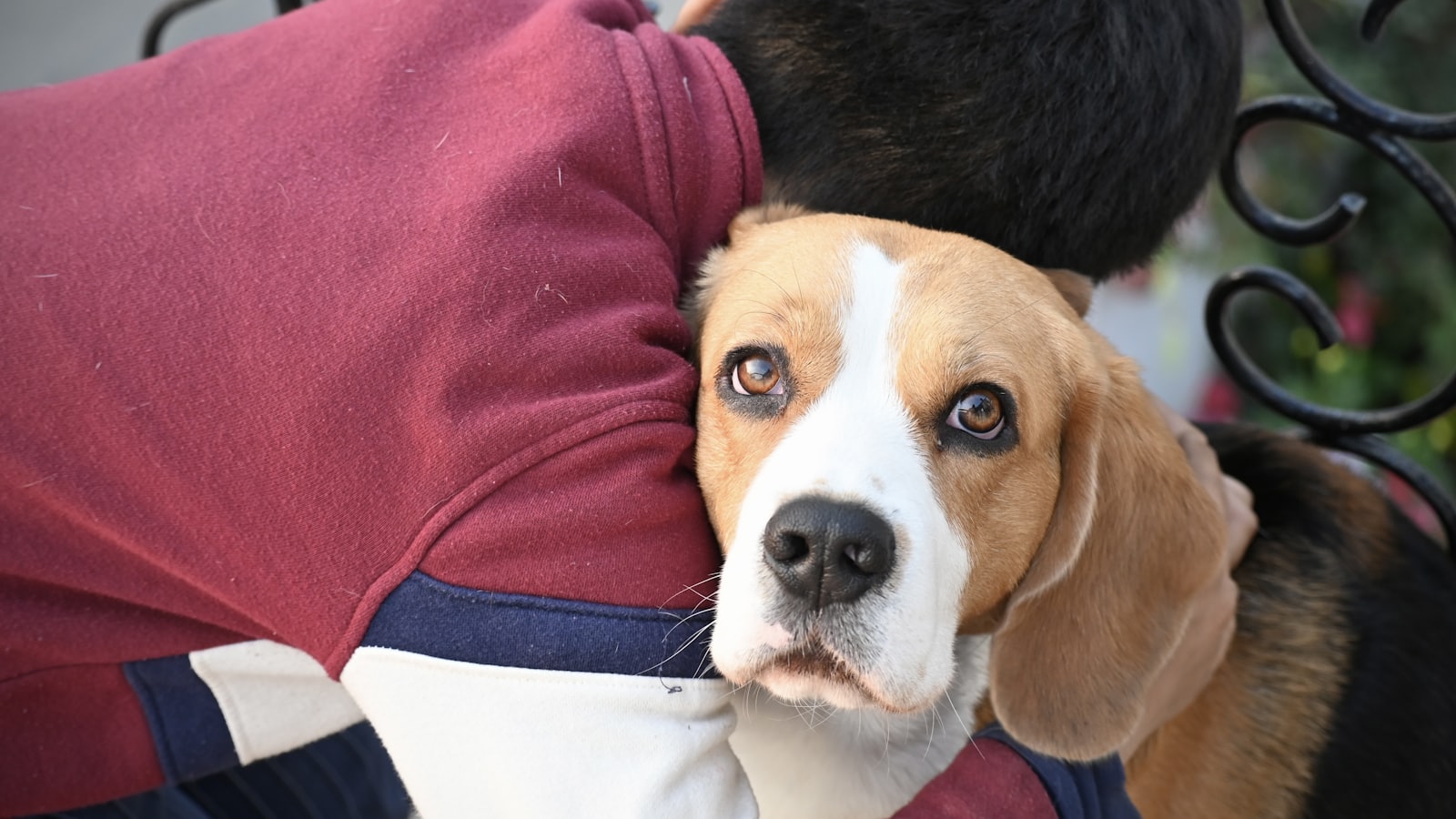
Before you fix anything, watch closely, because nausea and fear look different and need different emphasis. Physical motion sickness tends to show up once the car is moving: heavy drooling, lip-licking and swallowing, listlessness, then vomiting — and it's especially common in puppies. Anxiety shows up before and around the car regardless of motion: refusing to approach, trembling, whining or barking, pacing, panting, sometimes a nervous puddle, often starting the moment the door opens or even when the leash signals a trip. Most dogs with car trouble have a blend of both — the queasiness seeds the fear, the fear amplifies the queasiness — which is exactly why the rebuild below addresses both at once.
Rebuild the car in tiny, winning steps
The whole method is one idea repeated: keep every step so easy your dog stays under their fear threshold, and pair that step with something genuinely great. Start absurdly small. Feed a few favorite treats near the parked car with the doors shut. Next session, doors open, treats by the door. Then treats just inside on the seat, dog free to hop out. Then sitting in the parked car, engine off, calm praise and a chew. Only when all of that is boring-easy do you start the engine for ten seconds and turn it off. Then a roll to the end of the driveway. Then around the block — ideally ending somewhere wonderful, like a park, so the destination isn't always the vet.
Move at your dog's pace, not a schedule. If a step brings back drool or bracing, you went too fast — drop back to the last easy step and spend longer there. This can take days or weeks depending on how deep the fear runs, and slow is genuinely faster here: every calm rep deposits trust, every scary rep withdraws it. A secure, well-fitted harness or crate helps too, giving an anxious dog a stable, contained spot rather than a sliding, tumbling one.
Ease the nausea while you retrain
A few practical moves shrink the physical queasiness so the retraining isn't fighting a sick stomach. Travel on a light or empty stomach — withholding the meal before a trip lowers the odds of vomiting. Face your dog forward (a forward-facing booster or harness) so what they see matches the motion, and crack a window for cool, fresh air and to equalize pressure — but never let a dog hang its head out, which risks eye and ear injury. Keep the car cool and take it smooth on the corners and stops. Short, frequent, happy trips build tolerance far better than rare long hauls.
For dogs whose motion sickness is real and stubborn, don't white-knuckle it — this is a conversation with your vet. There are effective veterinary anti-nausea medications made for exactly this, and removing the physical misery often lets the confidence-building finally take hold. Which brings us to the line every owner should know.
🚨 Call Your Vet ASAP If…
- Your dog drools heavily, vomits, or has diarrhea when the car is in motion — a vet can rule out other causes and prescribe an anti-nausea medication made for travel
- The fear is severe — panic, frantic escape attempts, or distress that doesn't ease with slow, gradual steps
- Vomiting or nausea happens even when the car isn't moving, or comes with other signs of illness
- You're considering any medication or calming product — always confirm the right option and dose with your veterinarian first
This article is for education — it isn't a substitute for veterinary care.
🗓 This Week's Plan
- Days 1–2: Watch and sort — note whether symptoms hit before the car (fear) or once moving (nausea), and log a honest starting point.
- Days 3–5: Run short, happy sessions at the parked car — treats near it, at the door, then on the seat — ending every session while your dog is still relaxed.
- Days 6–7: If your dog is calm in the parked car, add engine-on-then-off and a roll to the driveway's end; call your vet about anti-nausea help if drooling or vomiting is part of the picture.
Start the Car Confidence Challenge in Pak Social
Log each parked-car session, rate how calm your dog stayed, and watch the trend climb rung by rung. Rebuild the car into a place good things happen — one boring, winning step at a time.
Get Pak Social — Free ➡️ Up nextNoise Phobias: Desensitization Step by Step6 min read›