Calming Beds and Anxiety Gear: What Helps and What Doesn't
Calming beds, anxiety wraps, pheromone diffusers, calming treats — the anxiety-gear market is huge. Some of it genuinely helps as part of a plan; none of it fixes real anxiety on its own. Here's how to use these tools wisely.
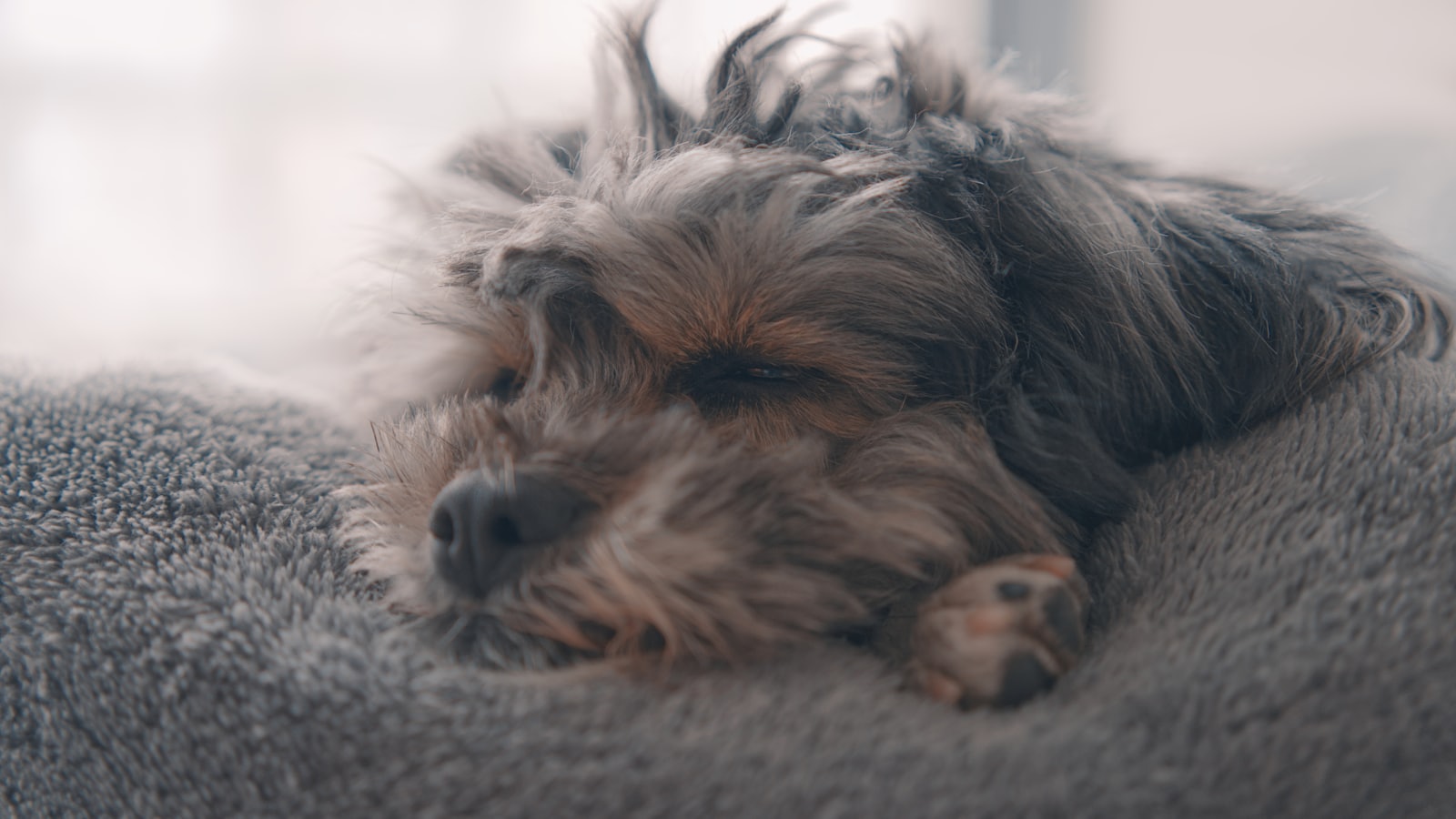
Walk down any pet aisle and you'll find a wall of anxiety gear — donut 'calming' beds, snug wraps, pheromone diffusers, calming treats, and more. Some of these tools genuinely help take the edge off, but the crucial truth is that gear is a support, not a cure: real anxiety is a behavioral and sometimes medical issue that needs a proper plan, not just a product. Used as one piece of a broader approach — alongside training, management, exercise, and your vet's input for serious cases — the right calming gear can help; used as a substitute for addressing the underlying anxiety, it disappoints. Here's how to tell the difference and use these tools well.
Calming gear is a helper, not a cure. It can take the edge off as part of a plan — but real anxiety needs training, management, and sometimes your vet, not just a product.
📋 Quick Read
- The honest framing: calming gear (beds, wraps, pheromones, calming treats) can help take the edge off, but it doesn't fix underlying anxiety on its own.
- What can help: a cozy bolstered 'calming' bed offers security; snug pressure wraps and pheromone products help some dogs; results vary and are usually modest.
- The real fix: serious anxiety (separation anxiety, phobias) needs a behavior plan — training, desensitization, management, exercise — and, for significant cases, a vet's involvement.
Gear is a support, not a cure
The most important thing to understand about anxiety gear is what it is: a set of tools that may help take the edge off, not a fix for underlying anxiety. Kept in that frame, several products are reasonable to try. A calming or donut bed with high bolstered sides gives a dog a cozy, enclosed, secure place to curl into, and a defined safe space genuinely helps many dogs settle — it's low-risk and often worthwhile. Snug pressure wraps apply gentle, constant pressure that soothes some dogs, especially during thunderstorms and fireworks, though it doesn't work for every dog. Pheromone diffusers, sprays, and collars mimic calming signals and help some dogs modestly. Calming treats and supplements vary a lot in quality and effect, so treat them cautiously and loop in your vet before using anything ingested.
Across all of these, the honest expectation is modest, variable help — not transformation. Some dogs respond nicely to a particular tool; others don't notice. The gear that works is worth keeping; the gear that doesn't isn't a failure on your part, just a mismatch. And none of it, on its own, resolves real anxiety.
Address real anxiety with a plan, not a product
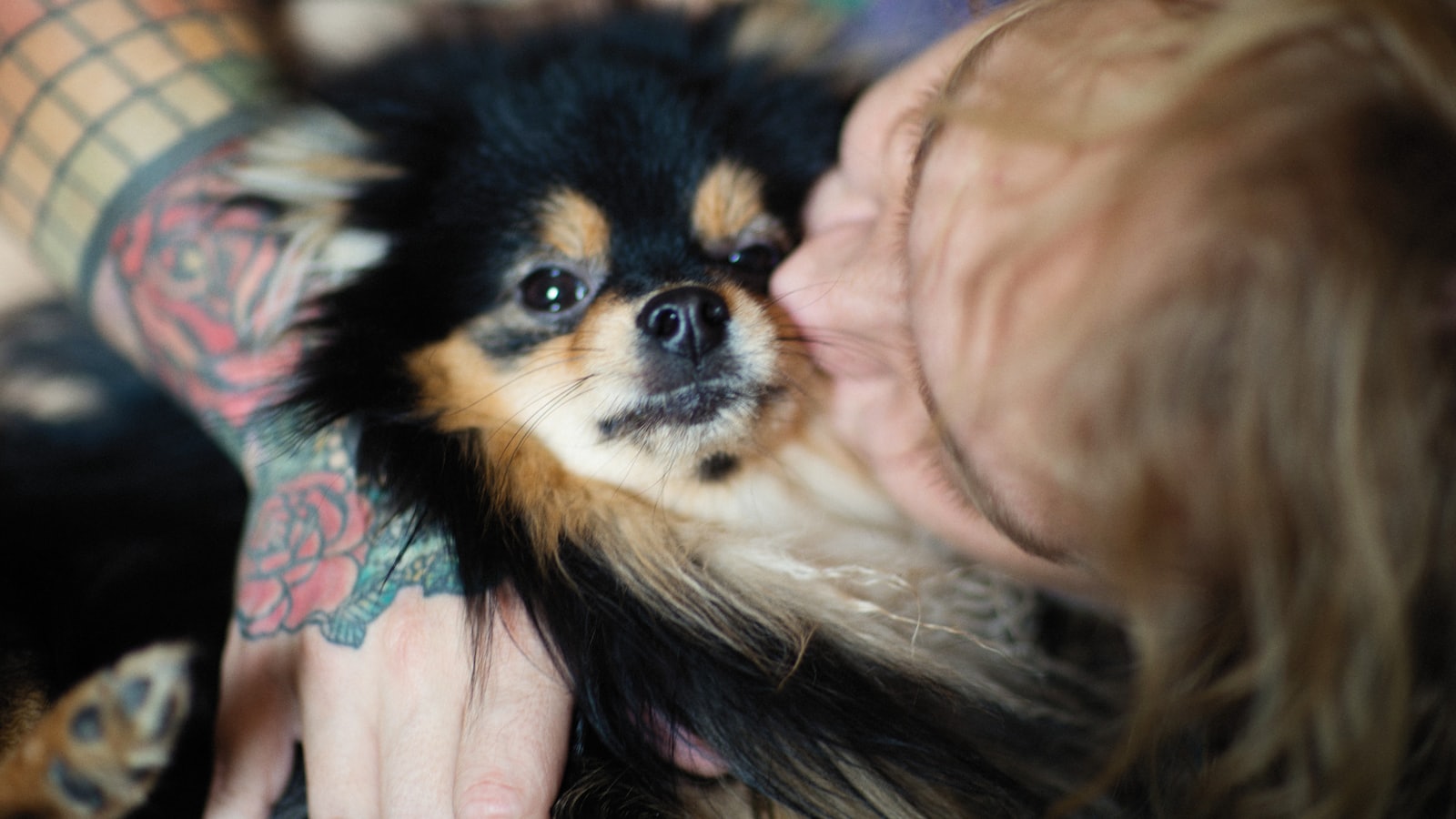
The mistake that keeps owners stuck is reaching for another product instead of addressing the underlying anxiety. Genuine anxiety — true separation anxiety, noise phobias, generalized fearfulness — is a behavioral, and sometimes medical, condition that needs actual work: managing the environment to reduce triggers, gradual desensitization and counter-conditioning to change the emotional response, plenty of exercise and enrichment, and consistent, predictable routines. Calming gear can support that work and keep your dog more comfortable while you do it, but it can't replace it — a pressure wrap doesn't cure separation anxiety, and a pheromone diffuser doesn't resolve a noise phobia; they help around the edges of a real plan.
For significant anxiety, involve your veterinarian. Serious separation anxiety and phobias often need a structured behavior-modification protocol (sometimes with a veterinary behaviorist) and, in some cases, medication that makes the behavioral work possible — this is normal, effective, and nothing to feel bad about. Your vet can also rule out medical contributors to anxiety. So use the calming tools that help your particular dog, keep expectations realistic, and treat the underlying anxiety with the plan it actually needs. Gear plus a real plan beats gear alone every time.
- Calming gear treated as a support, not a cure
- A cozy, secure safe space provided (bolstered bed/den)
- Low-risk tools tried, with realistic expectations
- Adequate daily exercise and enrichment in place
- A management + desensitization plan for the triggers
- Vet involved for serious anxiety (separation anxiety, phobias)
🗓 This Week's Plan
- Days 1–2: Identify what actually triggers your dog's anxiety, and provide a cozy, secure safe space to retreat to.
- Days 3–5: Try one or two low-risk calming tools (a bolstered bed, a pressure wrap, a pheromone diffuser) and note any real effect.
- Days 6–7: Build the actual plan — management, gradual desensitization, exercise — and, for serious anxiety, contact your vet.
Use calming gear wisely with Pak Social
Try the low-risk tools, keep expectations realistic, and build the real plan underneath. Pak Social helps you support your anxious dog properly — gear plus a plan, not gear alone.
Get Pak Social — Free ➡️ Up nextCold-Weather Gear Worth Buying: A Practical Guide6 min read›