Best Toys by Chew Style: Match the Toy to the Chewer
The 'indestructible' toy that lasts an hour, the plush your dog disembowels in minutes — buying toys by marketing instead of by your dog's chew style wastes money and risks safety. Here's how to match the toy to the chewer.
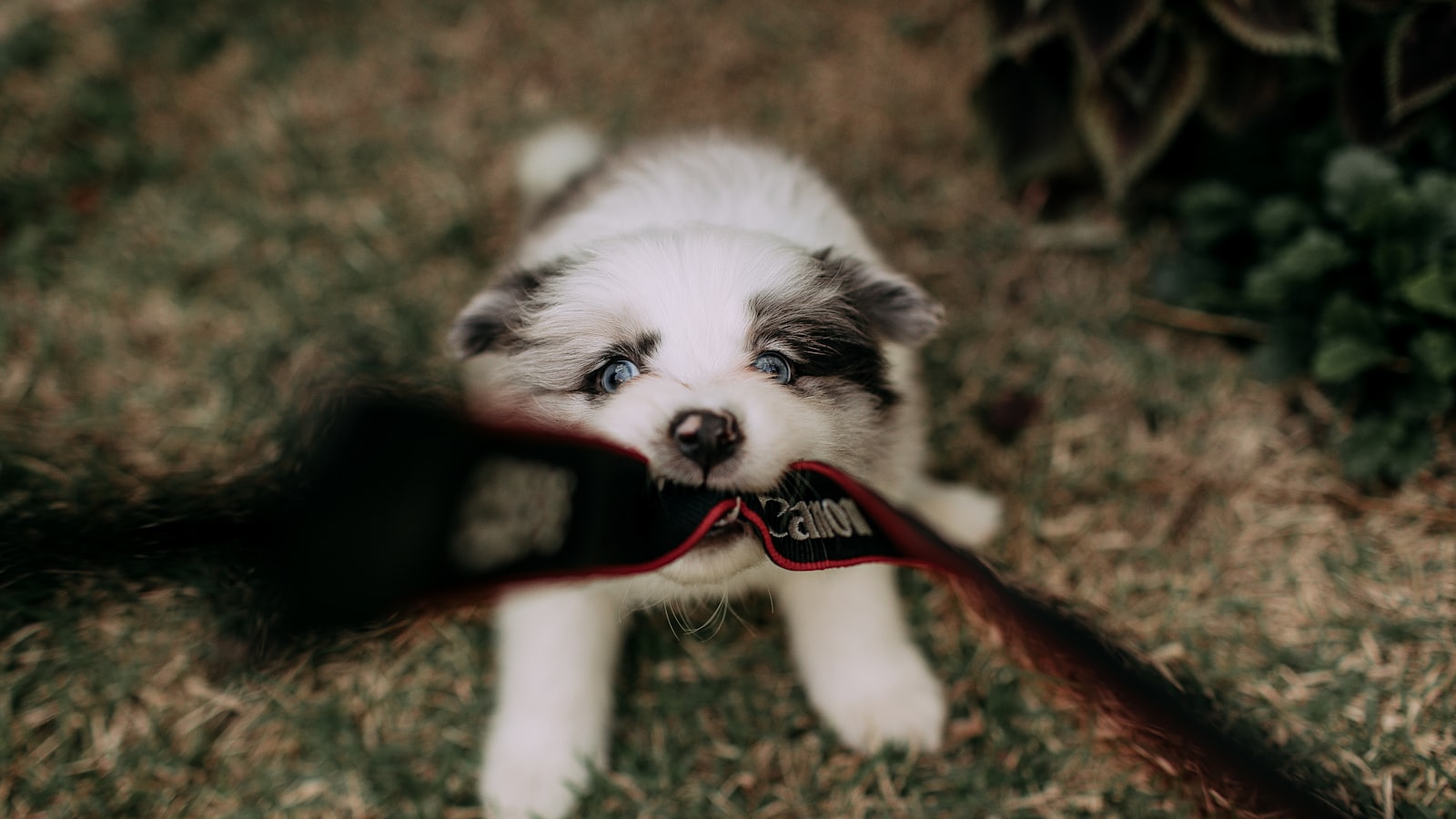
Every dog destroys toys differently, and the single biggest mistake in the toy aisle is buying by category ('a chew toy!') instead of by your dog's actual chew style. A gentle nibbler, an enthusiastic shredder, and a power chewer need completely different toys — and getting it wrong wastes money at best and creates a choking or blockage hazard at worst. Figure out which kind of chewer you have, match the toy's durability to it, supervise, and swap out anything that's been chewed down to a swallowable size, and toys become safe, lasting enrichment instead of a costly, risky guessing game.
Buy toys for the chewer you have, not the dog on the package. Match durability to chew style, supervise, and retire anything chewed down to a swallowable size.
📋 Quick Read
- The core idea: dogs fall into chew styles — gentle nibblers, moderate/destroyers of plush, and power chewers — and each needs a different toy durability.
- Match to the chewer: light chewers can enjoy plush and softer toys; power chewers need tough rubber or nylon built for aggressive chewing (and even those aren't truly 'indestructible').
- Safety always: supervise chewing, choose the right size (too small is a choking risk), and remove any toy chewed down to pieces that could be swallowed.
Identify your dog's chew style first
Before you buy another toy, figure out how your dog actually chews. Watch what happens to toys in your house. A gentle nibbler mouths and carries toys, maybe squeaks them, but doesn't set out to destroy them — these dogs can enjoy a wide range including plush and softer toys. A destroyer treats every toy as a mission to shred, gut, and dismantle, and lives for pulling out stuffing and squeakers — plush is fun for them but needs supervision, and tougher options last longer. A power chewer brings real jaw strength and will demolish all but the most durable toys — these dogs need hard rubber or nylon toys built specifically for aggressive chewing.
Once you know the style, you shop for it — and stop wasting money on the wrong tier. Buying a delicate plush for a power chewer is money (and safety) down the drain; buying only super-hard toys for a gentle senior misses the fun. The chew style is the filter that makes the whole toy aisle make sense.
Match durability, size it right, and supervise
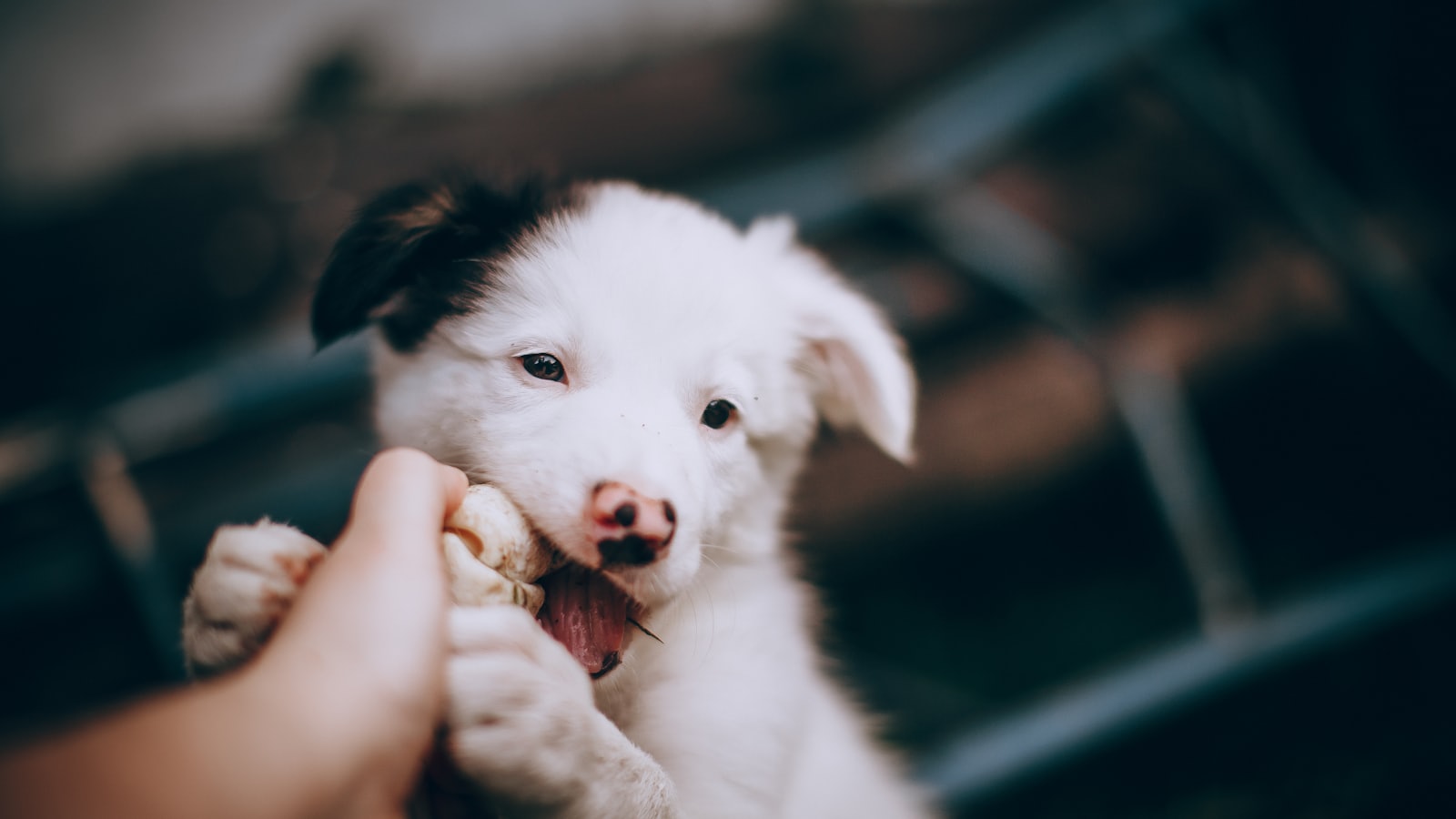
With the style identified, match the toy. Gentle chewers can enjoy plush, rope, and softer rubber toys freely. Destroyers can have plush too, but supervised, and often do better with 'tough plush' or durable rubber that survives the assault — the real risk with this style isn't the chewing, it's swallowing stuffing, squeakers, or torn fabric, so watch them and remove casualties promptly. Power chewers need genuinely tough hard rubber or nylon toys designed for aggressive chewing, and even those should be inspected regularly, because no toy is truly indestructible and a cracked or chunked hard toy can hurt teeth or be swallowed.
Three safety rules apply to every dog regardless of style. Size it right: a toy small enough to fit entirely in your dog's mouth is a choking hazard, so err on the larger side. Supervise chewing, especially with anything a dog can destroy, and never leave a determined chewer alone with a destructible toy. And retire toys the moment they've been chewed down to swallowable pieces, or start cracking, splintering, or coming apart. Rotate a few well-matched toys to keep them novel. Match the durability, size it up, and supervise, and toys become the safe, lasting enrichment they should be.
🗓 This Week's Plan
- Days 1–2: Watch how your dog treats its toys and name its chew style — nibbler, destroyer, or power chewer.
- Days 3–5: Audit your toy bin: remove anything mismatched or chewed down to swallowable pieces, and note gaps to fill.
- Days 6–7: Buy one or two toys matched to your dog's style and size (err larger), and start a supervised rotation.
Match toys to your chewer with Pak Social
Identify your dog's chew style, match durability and size, and rotate safely. Pak Social keeps toys lasting, novel, and safe instead of a costly guessing game.
Get Pak Social — Free ➡️ Up nextChoosing a Supportive Dog Bed: Comfort That Lasts6 min read›