Barking at Other Dogs on Walks
It's not defiance — it's an emotion with a distance dial. Find the range where your dog can think, and the sidewalk foghorn goes quiet on its own.
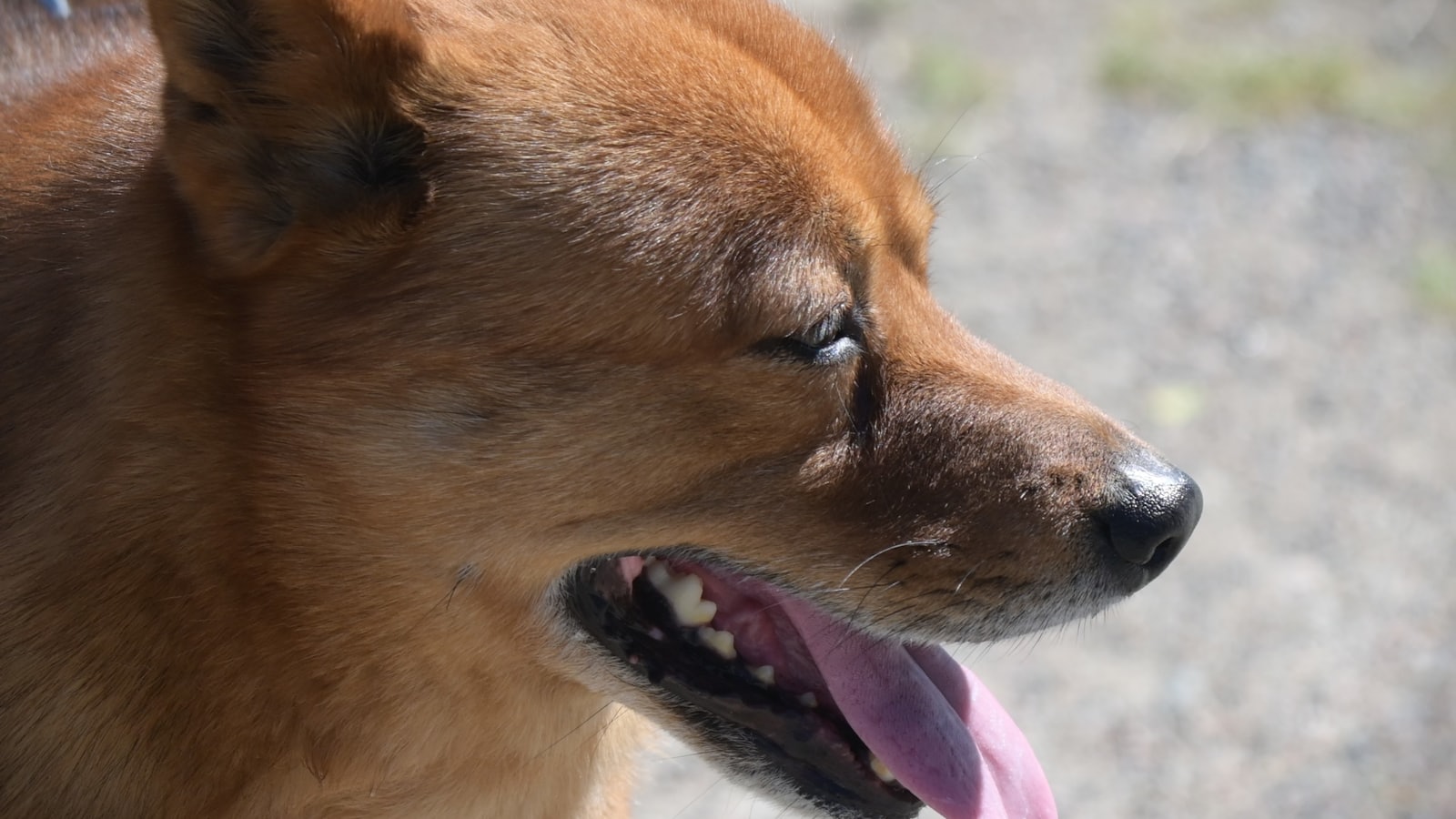
This series has decoded demand barking and defused the doorbell. Now the hardest venue: the sidewalk, where another dog appears half a block away and your otherwise lovely companion turns into a foghorn with a tail. Here's the reframe that changes everything: that barking isn't disobedience — it's emotional overflow, and the leash itself is half the problem. On leash, your dog can't flee and can't greet; barking is what's left.
Distance is the volume knob. Find the range where your dog can think, and the barking loses its job.
📋 Quick Read
- On-leash barking at other dogs is almost always emotion — fear, frustration, or over-excitement — amplified by a leash that removes both of a dog's natural options: move away, or go say hi.
- Every dog has a threshold distance where they notice another dog but can still think. All the real training happens on the calm side of that line — over it, no learning sticks.
- Punishing the barking pairs other dogs with bad outcomes and reliably makes the emotion (and the noise) worse; changing the association is what changes the behavior.
The bark is the smoke, not the fire
Watch two off-leash dogs meet: they curve, sniff, negotiate distance in arcs. A leash deletes all of that. Head-on approaches, no escape route, no greeting choice — for a nervous dog that's a trap, and for a social dog it's maddening. The result looks identical from the outside (barking, lunging, theatrics) but the fuel is one of three feelings: fear ("make it go away"), frustration ("I want to say hi and I can't"), or plain over-arousal.
None of those are disobedience, and none respond to being told off — you can't scold a feeling out of a dog. What you can do is change what the feeling is about.
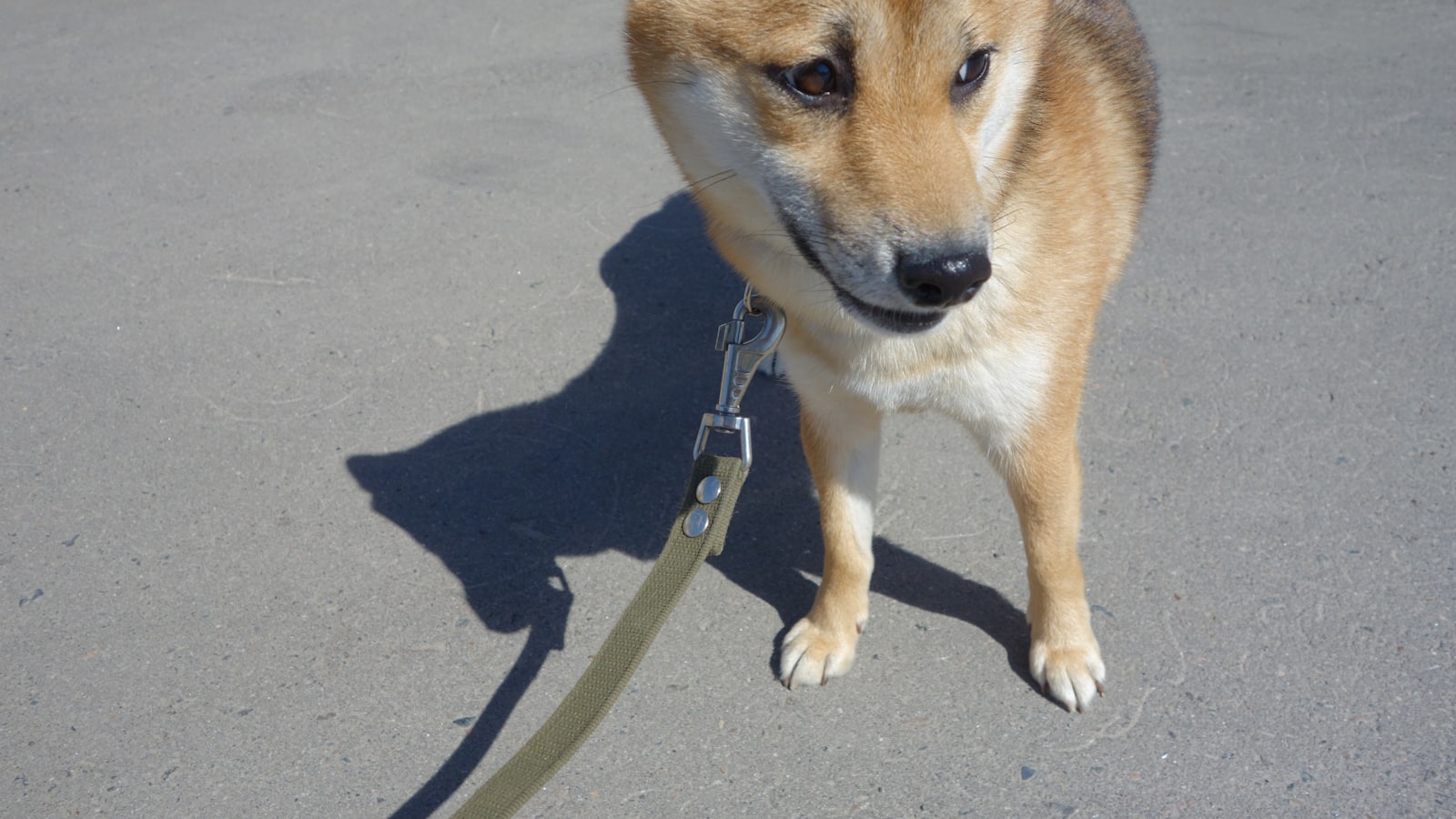
Find the distance where your dog can think
Somewhere between "dog visible across the park — no reaction" and "dog ten feet away — full foghorn" is your dog's threshold: the distance where they clearly notice the other dog but can still look away, take a treat, and respond to their name. That distance is your dog's honest starting line — it might be 50 feet, it might be half a block, and it moves day to day with stress and sleep.
Spend two walks just measuring it. No training, no corrections — just note the closest distance at which your dog stayed quiet and reachable. That number is worth more than any gadget.
Play "other dogs make chicken happen"
The core protocol is counterconditioning, and it's beautifully simple. At an under-threshold distance: the other dog appears, and chicken rains — small pieces, one after another, no behavior required. The other dog disappears, and the chicken stops. Your dog's job isn't to sit or be good; their job is to notice the pattern: other dogs switch the treat faucet on.
As the forecast flips, most dogs start offering the next stage themselves: see the dog, then look at you — the check-in. Mark it ("yes!") and pay generously. That look-at-dog-then-look-at-me loop, sometimes called engage–disengage, is the behavior you'll eventually rely on when a dog surprises you both at a corner.
Engineer walks you can win
Training only works if the environment doesn't keep outbidding you, so stack the deck: walk off-peak while the emotion is changing, choose routes with escape options, and use the urban furniture — arcing wide, calm U-turns, a parked car or hedge as a visual block while a dog passes. A front-clip harness gives you gentle steering without pain. And watch your own hands: yanking the leash tight the instant you spot a dog telegraphs danger straight down the line before your dog has even looked up.
This isn't avoidance forever. It's controlling the dosage — many good sightings at workable distances, instead of a few terrible ones at point-blank range.
When it's more than barking
Get qualified help sooner rather than later if the lunging could pull you over, if your dog has redirected a snap at you or another pet mid-reaction, or if you genuinely can't find any distance where they can stay calm. A certified behavior professional or veterinary behaviorist can run this same protocol with sharper mechanics and a safety plan. And if the barking is new or escalating out of nowhere, a vet visit is worth it — pain has a way of shortening every fuse.
🗓 This Week's Plan
- Days 1–2: Map the threshold — on two ordinary walks, note the closest distance at which your dog saw another dog and stayed quiet and reachable. That's your starting line.
- Days 3–5: Run the chicken game at threshold-plus-ten-feet: dog appears, treats flow; dog gone, treats stop. Short sessions, and end each one before a bark happens.
- Days 6–7: One engineered win-walk: off-peak route, three under-threshold sightings, arcs and car-blocks planned. Log calm sightings vs. barks.
Start the Calm Sightings Challenge in Pak Social
Map your dog's threshold tonight, then bank three calm sightings this week — logged, counted, and shrinking the distance.
Get Pak Social — Free ➡️ Up nextLeash Reactivity: A Practical Plan6 min read›