Travel Crates and Carriers
The right travel crate is crash equipment, not luggage. How to choose, fit, and condition the box your dog rides in — for car, plane, and everywhere between.
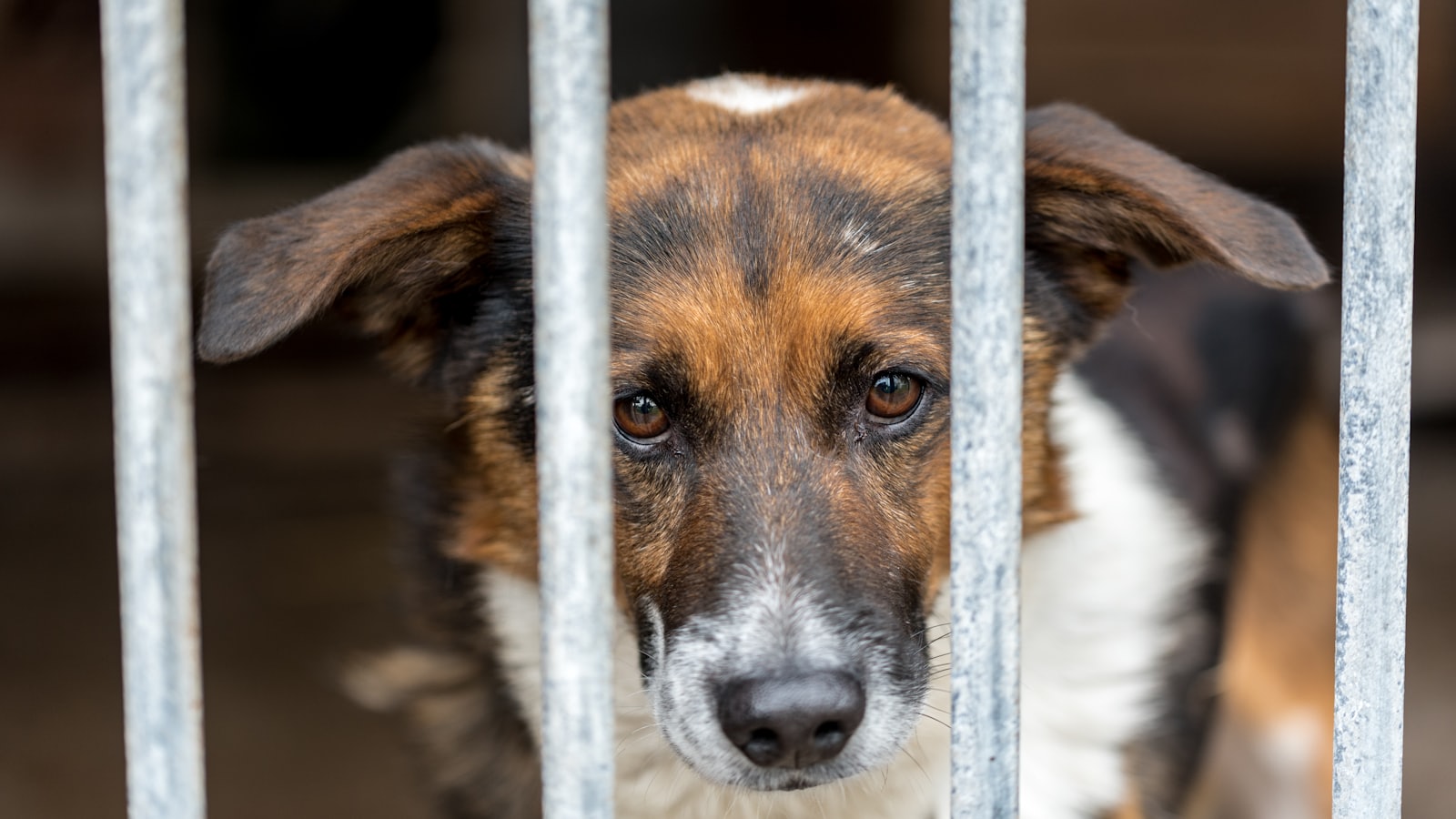
The crate that lives in your living room and the crate that should ride in your car are related the way a mattress is related to a seatbelt. One is furniture; the other is safety equipment that has to hold together at highway speed. Most owners buy travel crates on size and cuteness — then learn at the worst moment that the zip-up mesh cube and the crash-rated aluminum box are not the same product category. Here's how to buy, fit, secure, and condition the one your dog actually rides in.
A travel crate isn't where your dog sits. It's what stands between your dog and the physics.
📋 Quick Read
- Match the crate to the mission: crash-tested crates or harnesses for the car, airline-compliant hard kennels for cargo flights, soft carriers for in-cabin small dogs — each solves a different physics problem.
- Fit is a formula, not a vibe: stand, turn, lie down — plus airline-specific measurements (head height, nose-to-tail) for flying. Too big is actually less safe in a crash than snug.
- An unsecured crate is a projectile with a dog inside: anchor it (straps, cargo hooks, behind-the-seat placement) and condition it at home for weeks before the trip that matters.
Pick by mission
Car, daily or road-trip: the gold standard is a crash-tested crate (look for independent certification — the Center for Pet Safety publishes its passing products) or, for dogs who ride loose-ish, a crash-tested harness clipped to the seatbelt system; ordinary wire crates are fine parked at a campsite but are not crash equipment. Air, in-cabin (small dogs): a soft carrier within your airline's under-seat dimensions, ventilated on multiple sides, with a secure zip your dog can't nose open. Air, cargo: a rigid, airline-compliant kennel — hard shell, bolted (not snapped) halves, metal door hardware, ventilation per the airline's spec, food/water cups, and live-animal labeling; airlines publish exact requirements and reject non-compliant kennels at check-in. Trains, hotels, and the vet's waiting room mostly borrow from the car and in-cabin playbooks.
Fit and anchoring
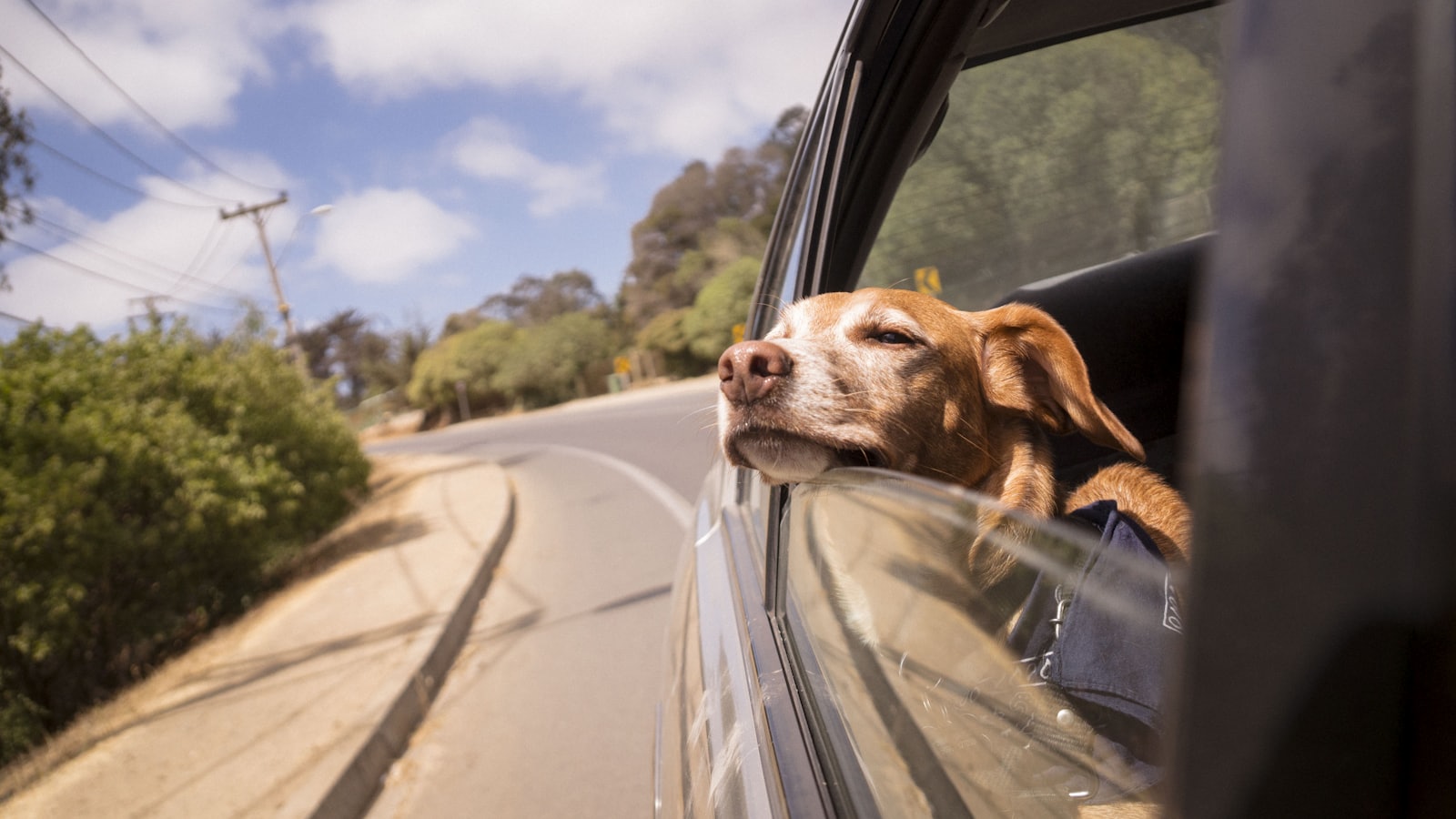
Measure the dog, not the vibe: length nose to tail-base, height floor to head-top (ears up for erect-eared dogs), and buy to the formula — enough to stand without crouching, turn around, and lie flat, with airlines adding their own inches-of-clearance rules. For car crates, snugger is safer: room to reposition, not room to accelerate. Then anchor: cargo-area crates strap to tie-down points; seat-riding crates belt through the manufacturer's routing; the floor behind the front seats is a decent low-tech spot for small carriers. The back seat beats the front (airbags are calibrated for adults), and the truck bed — even crated — remains a hard no.
Condition the box like it's a second bedroom
Run the crate-training playbook on the travel crate specifically: meals inside it in the living room, the special chew that only appears there, door games, short sessions — then graduate to the parked car (engine off, then on), then five-minute drives to nowhere, then the fun destination run so the crate doesn't only predict long hauls. Dress it for the mission: the bedding that smells like home, nothing loose that becomes debris, water access for long trips (spill-proof bowls or lick bottles), and ID on the crate itself — a luggage tag with your phone number, because in a roadside emergency the crate and dog may be handled by strangers. Two weeks of this and the box becomes what it should be: a portable safe room that happens to meet crash specs.
- Crash-tested crate or harness for car travel (certified, not claimed)
- Sized by measurement: stand, turn, lie flat — snug, not roomy
- Crate anchored to the vehicle, never loose
- Airline compliance verified against the airline's own spec (if flying)
- Conditioned at home for 2+ weeks before the big trip
- ID tag on the crate itself, plus current chip and tags on the dog
🗓 This Week's Plan
- Days 1–2: Measure your dog, audit the current crate against the mission, and check certification claims against published test results.
- Days 3–5: Start travel-crate conditioning — meals inside, the exclusive chew, first parked-car session.
- Days 6–7: Anchor test (does it actually strap down tight?), crate ID tag on, and the Driveway Graduation.
Build the travel-crate profile in Pak Social
Measure tonight, audit the box, start the meals-inside deposits. Two weeks from now the crate is a rolling safe room — certified, anchored, and loved.
Get Pak Social — Free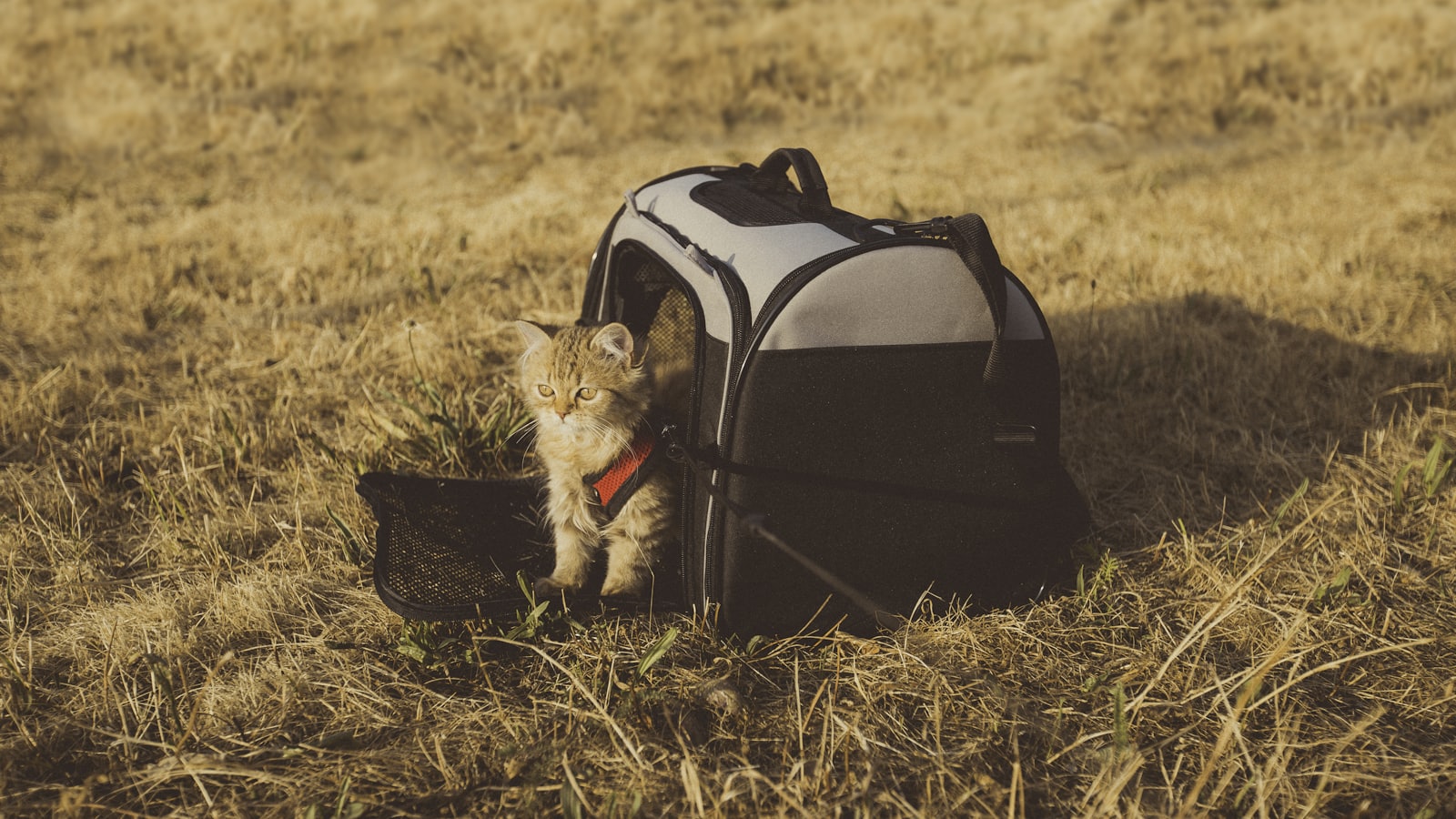 ➡️ Up nextCrate Training an Adult or Rescue Dog8 min read›