Training an Australian Shepherd: Breed-Specific Priorities
A brilliant herding dog wired to work all day and think all night — the Aussie needs a job, serious exercise, and an outlet for the herding instinct, or that genius turns to trouble.
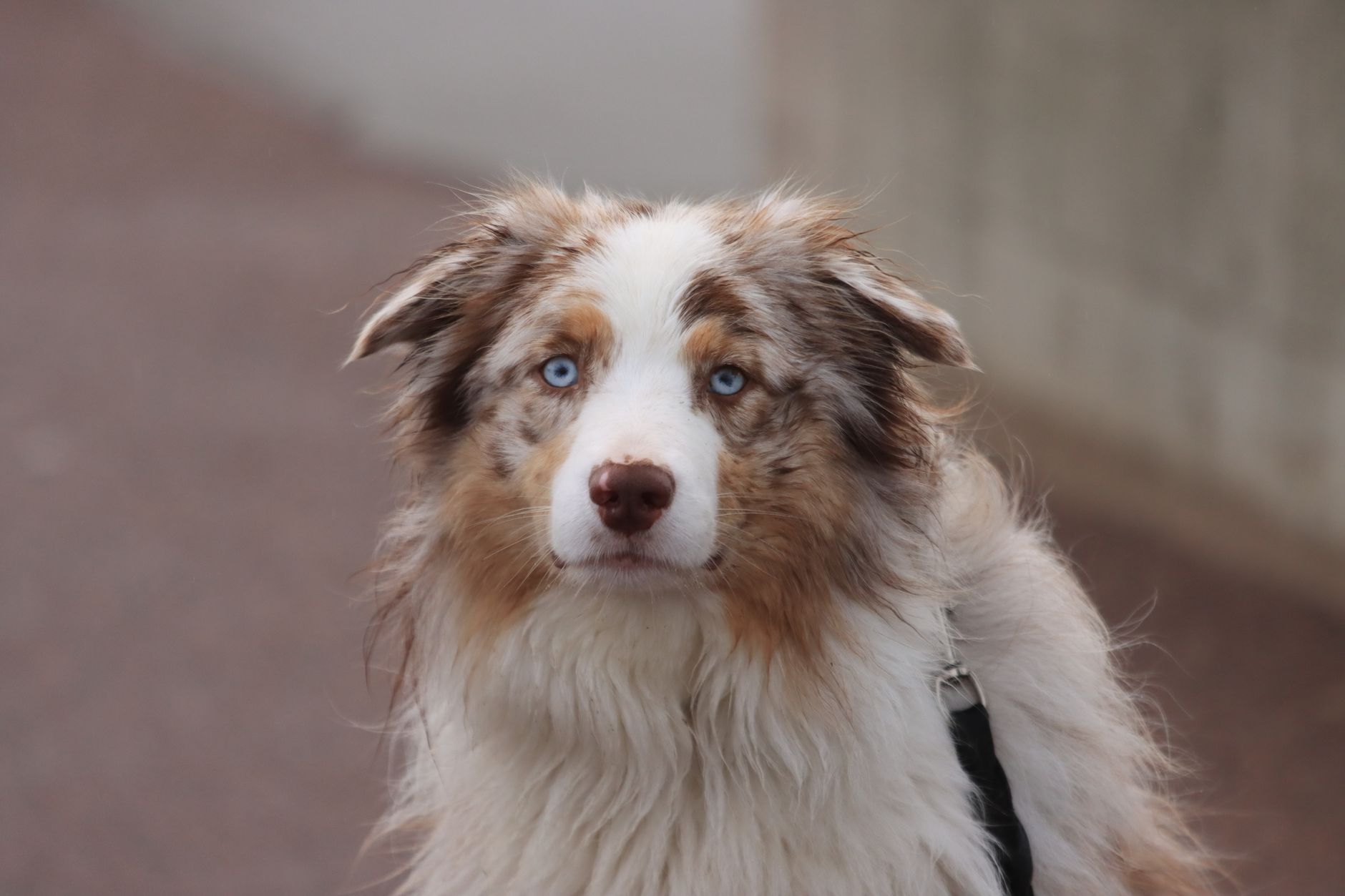
The Australian Shepherd is a herding dog through and through: hyper-intelligent, tireless, intensely driven, and happiest with a task that occupies both body and mind. An Aussie without a job doesn't relax — they invent work, and the work they invent (herding the kids, patrolling the yard, obsessing over movement, spinning with anxiety) is rarely what you wanted. This is one of the most rewarding breeds for an active, engaged owner and one of the most challenging for a casual one. The whole plan is: give the genius a job, or the genius gives itself one.
An Aussie is a working dog first and a pet second — employ the herding genius, or it employs itself herding your children.
📋 Quick Read
- The wiring: bred as all-day herding dogs — hence the elite intelligence, the tireless energy, the strong herding instinct (chasing, nipping, controlling movement), the intense focus, and a deep need for meaningful work.
- Superpowers: brilliant and highly trainable, athletic, and eager — outstanding at obedience, agility, herding, and virtually every dog sport.
- Watch-fors: serious exercise AND mental-work needs (under-stimulation breeds anxiety, obsession, and destruction), the herding instinct needs channeling (nipping heels, chasing movement, herding kids/pets), and sensitivity to harshness plus a tendency toward noise/movement reactivity.
Meet the double requirement: body AND brain
The Aussie's non-negotiable is that they need serious physical exercise AND serious mental work every day — one without the other doesn't cut it (an Aussie run to physical exhaustion but mentally bored is still a problem; a mentally-worked but under-exercised one is climbing the walls). Build both into daily life: real cardio (running, hiking, fetch, biking alongside — this is an athlete), plus real cognitive work (advanced training, shaping projects, puzzles, scent games, and above all a dog sport — agility and herding are their birthright, and few things satisfy an Aussie like a sport that challenges body and mind together). The payoff for meeting the requirement is immense: a well-exercised, well-employed Aussie is a brilliant, biddable, devoted partner. The cost of not meeting it is the breed's reputation for anxiety, obsession, and destruction — which is almost entirely the sound of a working genius with nothing to do. This is the single most important thing to understand before getting an Aussie: they are not a low-effort dog, and the effort is the whole relationship.
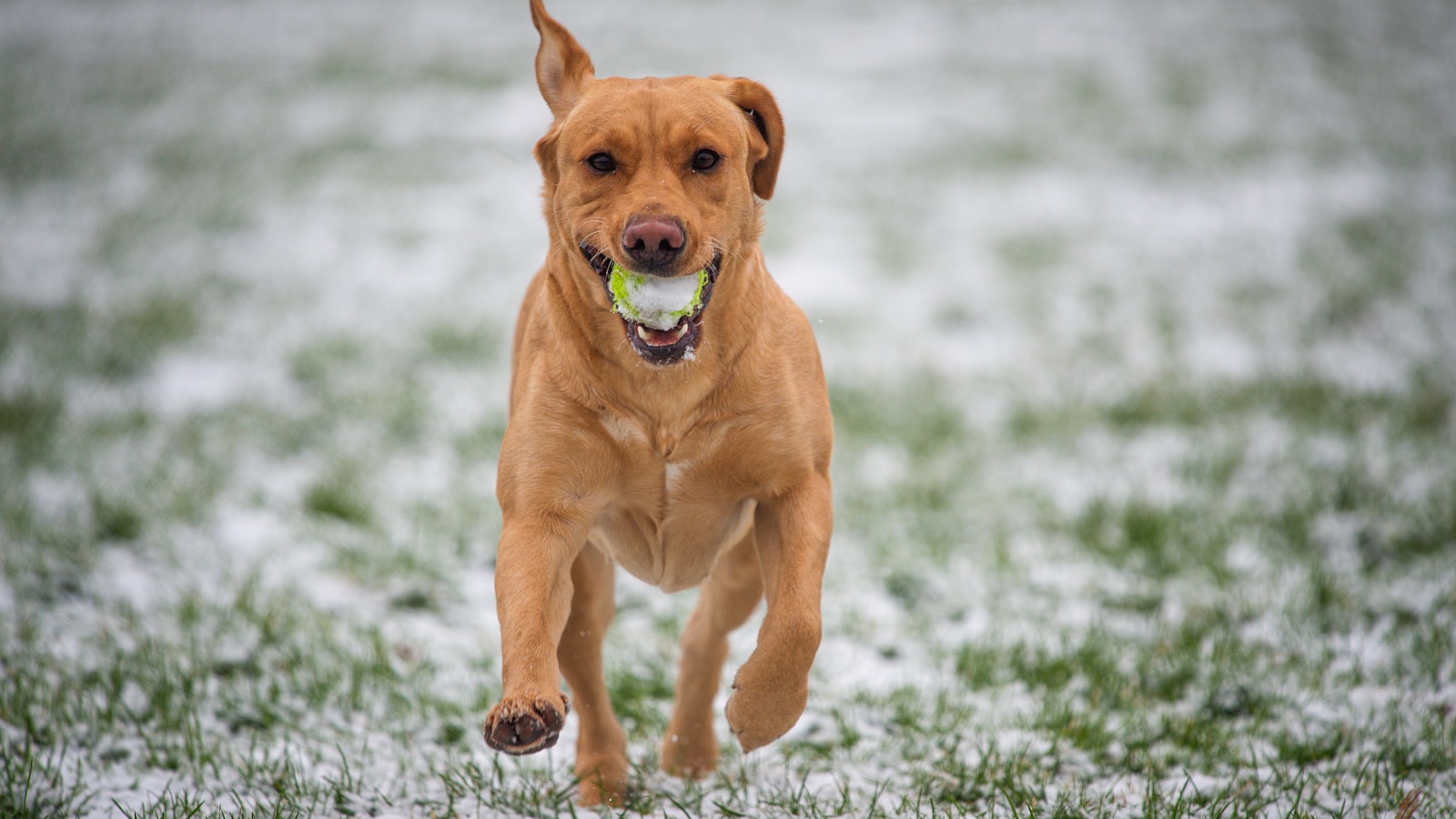
Channel the herding instinct and train the off-switch
Two Aussie-specific pieces round out the plan. First, channel the herding drive: Aussies are wired to chase and control movement, which unmanaged shows up as nipping at heels, chasing bikes/cars/joggers, and 'herding' children and other pets by circling and nipping — so give the instinct a sanctioned outlet (herding lessons if available, treibball/ball-herding, or structured fetch-with-rules) while managing and redirecting the unwanted expressions (the leave-it, impulse, and reactivity lessons; teach an incompatible behavior when movement triggers the chase). This isn't a flaw to punish out — it's a strong instinct to redirect. Second, deliberately train the off-switch: a driven working dog often doesn't relax on their own, and an Aussie who can't settle is exhausting for everyone — so teach settling on a mat and recovery-from-arousal as core skills (the settle and impulse lessons), building a dog who works hard AND powers down. Pair these with good socialization (their movement-and-sound sensitivity can tip into reactivity without it) and purely positive, engaging training (they're sensitive and brilliant — harshness and boredom both sour them), and the herding genius becomes the extraordinary partner the breed is capable of being.
- Serious physical exercise daily (this is an athlete)
- Serious mental work daily (advanced training, puzzles, a sport)
- The herding instinct has a sanctioned outlet
- Chasing/nipping of movement managed and redirected
- The off-switch (settle, recovery) deliberately trained
- Well-socialized against movement/sound reactivity
🗓 This Week's Plan
- Days 1–2: Build the daily double block — real cardio PLUS real mental work; pick a sport (agility, herding, treibball).
- Days 3–5: Give the herding drive a sanctioned outlet and start managing/redirecting the chasing and nipping.
- Days 6–7: Train the off-switch (settle, recovery-from-arousal) and shore up movement/sound socialization.
Employ your Aussie in Pak Social
Body and brain daily, a herding outlet, a trained off-switch. Give the genius a real job and the Australian Shepherd is spectacular — leave it unemployed and the genius will find work you'll wish it hadn't.
Get Pak Social — Free ➡️ Up nextTraining a Siberian Husky: Breed-Specific Priorities6 min read›