Training a Siberian Husky: Breed-Specific Priorities
Bred to run for hundreds of miles and think for themselves — the Husky is independent, athletic, escape-artist, and gloriously indifferent to your recall. Train with humor, exercise hard, and never trust the fence.
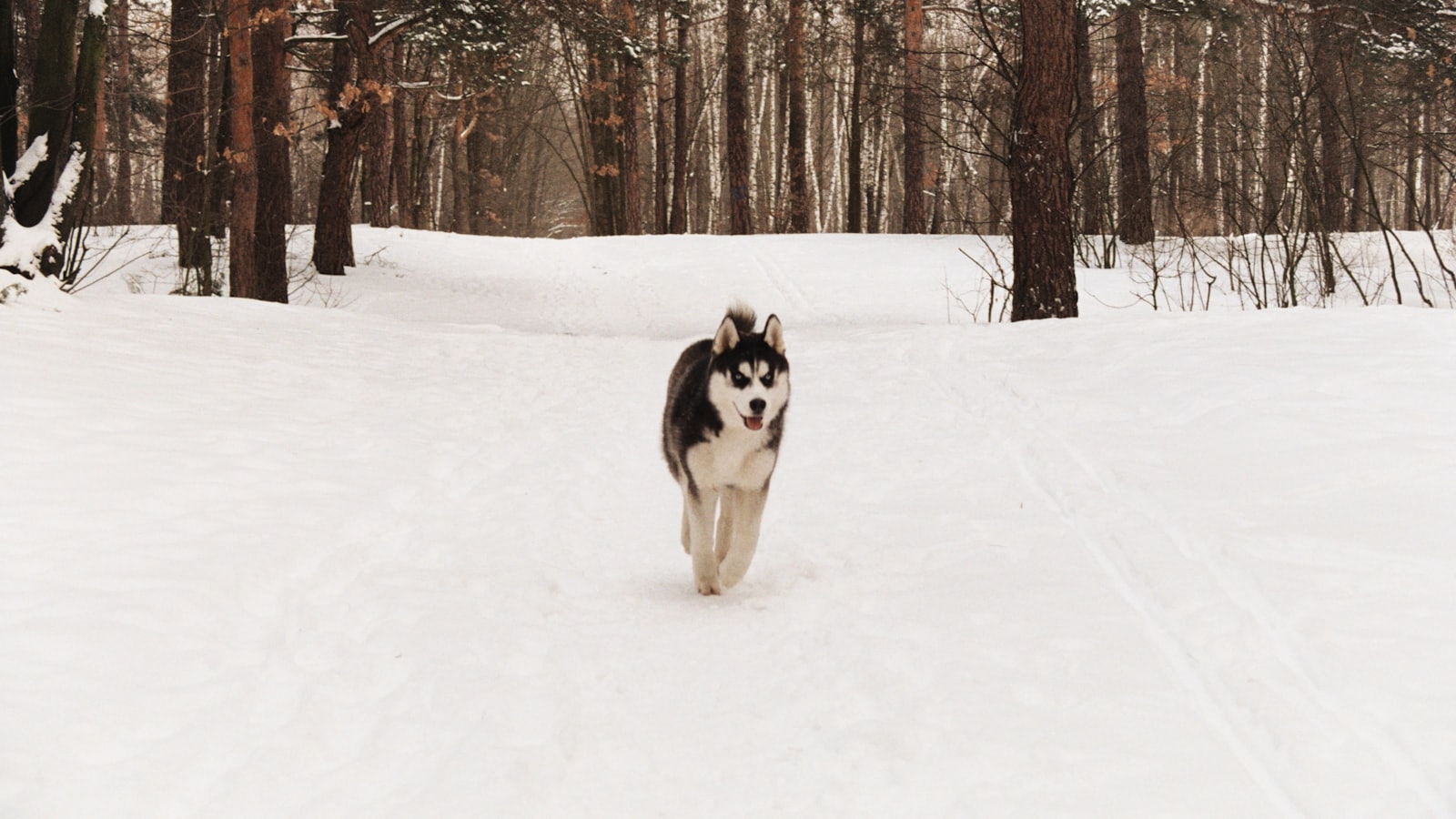
The Siberian Husky was bred to pull a sled across frozen wilderness for hours, making independent decisions about footing and pace — which is to say they were bred to NOT obey blindly, to run tirelessly, and to survive by their own wits. The result is a stunning, friendly, athletic dog who regards your recall as a fascinating suggestion and your fence as a puzzle to solve. Huskies aren't stubborn or dumb — they're independent working dogs whose priorities genuinely differ from yours. Train with patience and humor, exercise them seriously, secure everything, and never, ever trust them off-leash.
A Husky heard your recall, considered it, and respectfully declined. Independence isn't disobedience — but it does mean you never trust the off-leash or the fence.
📋 Quick Read
- The wiring: bred as endurance sled dogs — hence the extraordinary stamina, the strong independent problem-solving mind, the high prey drive, the wanderlust and escape-artistry, the vocal 'talking,' and a friendly-but-aloof-to-commands temperament.
- Superpowers: athletic, intelligent, friendly, and resilient — capable when motivated, and outstanding at what they were built for (running, pulling, endurance activities).
- Watch-fors: recall is unreliable by design (the independence + prey drive + wanderlust — leashes and secure containment are life-or-death), they're escape-artist diggers and climbers, they need serious exercise, and repetition/harshness bores and sours them.
Motivate the independent mind (and keep it fun)
Training a Husky means accepting you're working with an intelligent independent partner, not commanding an eager subordinate — so lead with motivation and variety: high-value rewards (make obeying genuinely worth their while — a Husky weighs the deal), short and varied sessions (they bore with repetition faster than almost any breed, so keep it fresh, gamified, and fun), patience and humor (frustration and harshness get you a bored, checked-out Husky and can sour the relationship — the humane-training lessons apply), and realistic expectations (a Husky may have a reliable sit and a decent stay and STILL not have a trustworthy recall — that's the breed, not your failure). Channel their intelligence into things they find worthwhile, celebrate the wins, and let go of the fantasy of robotic obedience. The Husky who's motivated well and never bored is capable of plenty; the one who's drilled and corrected just decides you're not worth listening to. Read the 'stubbornness' as a negotiation and you'll do far better than reading it as defiance.
Never trust off-leash, and exercise the athlete hard
Two Husky realities are matters of life and death. First, containment and leashes: the Husky combination of independence, prey drive, and wanderlust makes off-leash reliability essentially unattainable — a Husky will bolt after prey or simply to run, and won't come back, so leashes and long-lines for all freedom, and secure containment, are non-negotiable safety infrastructure. And Huskies are legendary escape artists — they dig under fences, climb and jump over them, and exploit any gap — so containment for this breed means seriously secured fencing (buried barriers against digging, height and often overhangs against climbing — the containment lesson's hardest version), plus the full lost-dog prevention stack (ID, chip, GPS — the reunion layers, because even careful Husky owners face escapes). Build the best recall you can (the emergency-recall lesson helps at the margins) but NEVER rely on it near roads or prey. Second, exercise: Huskies are endurance athletes, and an under-exercised Husky is a destructive, howling, escaping menace — so they need substantial daily physical exercise, ideally channeling the running/pulling drive into a sanctioned outlet (sledding, canicross, bikejoring, weight pull, long runs), which satisfies exactly what the breed was built for and prevents most of the 'behavior problems.' A tired Husky with a job is a manageable Husky; a bored under-exercised one is the breed's cautionary tale.
- High motivation and varied, fun sessions (not repetition)
- Leashes/long-lines for ALL freedom — recall never trusted off-leash
- Seriously secured containment (dig AND climb proofed)
- Full lost-dog prevention stack (ID, chip, GPS)
- Substantial daily exercise — ideally a running/pulling outlet
- Realistic expectations (good manners, unreliable recall = normal)
🗓 This Week's Plan
- Days 1–2: Switch to short, varied, well-motivated sessions; set realistic breed expectations.
- Days 3–5: Audit and seriously secure containment (dig + climb), lock in the leash/long-line rules, and complete the reunion stack.
- Days 6–7: Build the substantial exercise plan — ideally a sanctioned running/pulling outlet — and the best recall you can while never trusting it off-leash.
Secure and satisfy your Husky in Pak Social
Motivate the independent mind, exercise the athlete hard, and never trust the off-leash or the fence. Respect what the breed is and the stunning, friendly Husky is a joy — underestimate it and the escape drive writes the tragedy.
Get Pak Social — Free ➡️ Up nextTraining a Cavalier King Charles Spaniel: Breed-Specific Priorities5 min read›