Training a Yorkshire Terrier: Breed-Specific Priorities
A big terrier attitude in a tiny package — the Yorkie is bold, smart, and vocal, and the biggest training mistake is treating them like an accessory instead of the real dog they are.
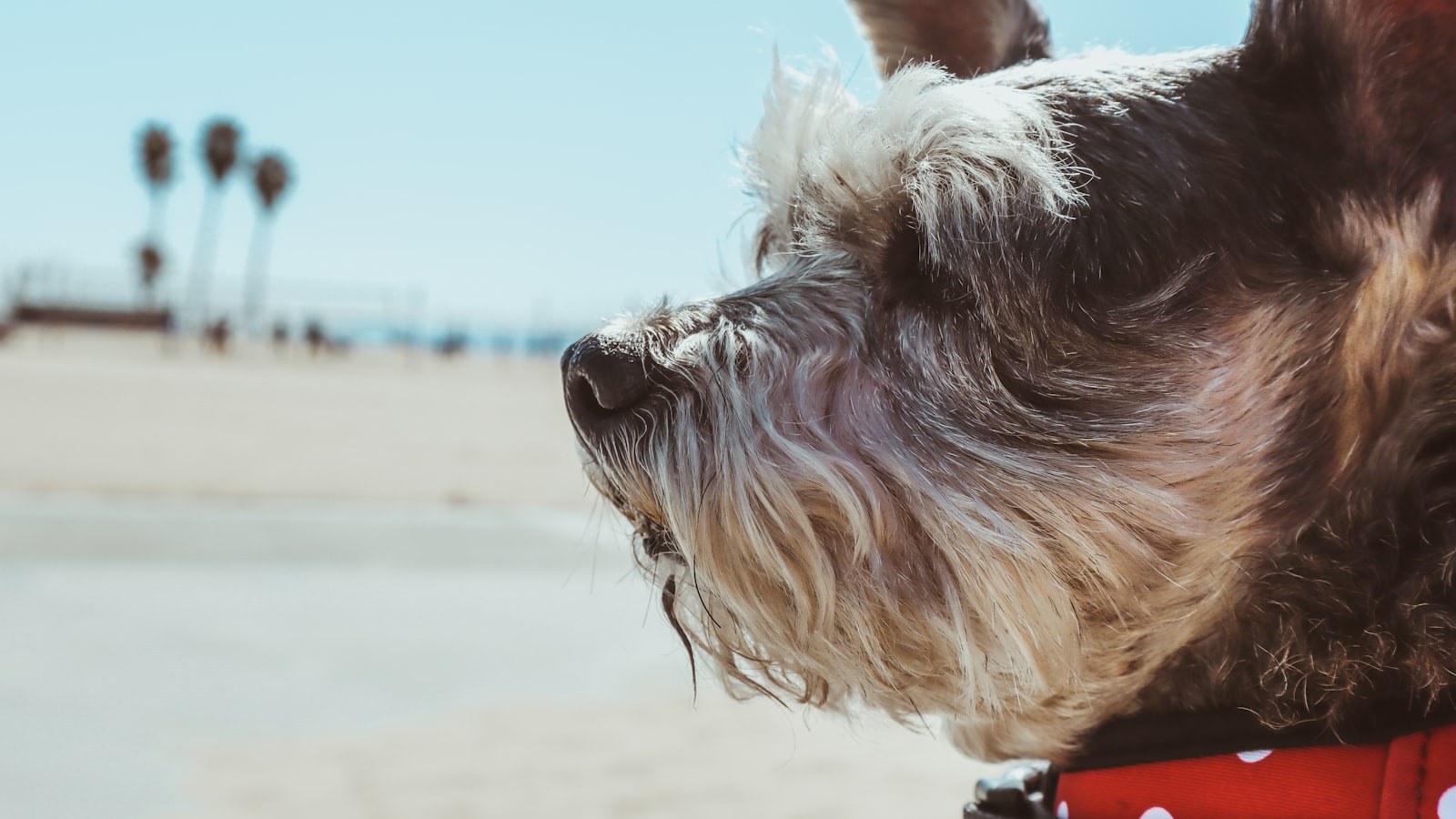
The Yorkshire Terrier was bred to hunt rats in Victorian mills — a job that demanded courage, tenacity, and independence — and that terrier fire still burns behind the silky show coat. The single biggest mistake Yorkie owners make is treating them like a fragile lap ornament instead of a real dog, which manufactures exactly the yappy, anxious, un-housetrained 'small dog syndrome' the breed gets stereotyped for. Train a Yorkie like the bold, clever terrier they are and you get a confident, delightful companion. Coddle them and you get a tiny tyrant.
A Yorkie isn't a purse dog — they're a rat-hunting terrier who happens to be adorable. Train the terrier, not the accessory.
📋 Quick Read
- The wiring: bred as ratting terriers — hence the bold confidence, the tenacity, the alertness and vocal barking, the prey drive, and a big-dog attitude in a tiny, delicate frame.
- Superpowers: smart, food-motivated, and eager — fully capable of obedience, tricks, and even sport when trained as a real dog rather than a lap ornament.
- Watch-fors: 'small dog syndrome' from coddling and under-training, barking (terrier alertness), housetraining difficulty (tiny bladder — the classic small-breed challenge), fragility around rough handling and kids, and confidence-socialization needs.
Train the terrier, not the accessory
The Yorkie's whole training story hinges on one decision: treat them like a real dog. They're smart and food-motivated, so run the full foundation obedience, trick, and impulse-control curriculum with high-value treats and short upbeat sessions — a Yorkie can learn everything a big dog can and delights in the work. Crucially, hold them to real standards: don't allow jumping, mugging, demanding, or barking that you'd never accept from a Labrador, because 'it's cute when they're small' is exactly how the tiny tyrant is made (the four-on-the-floor, say-please, and impulse lessons apply at every size). Put them down and let them walk (a carried Yorkie never learns to navigate the world), teach loose-leash walking (yes, even tiny dogs), and channel the terrier tenacity into trick training and games where their cleverness shines. The confident, well-mannered Yorkie is one of the most fun small dogs to own — and they get there the same way big dogs do: through actual training, consistently applied.
Build confidence, manage the terrier voice, respect the fragility
Three small-breed essentials round out the Yorkie plan. Confidence-socialization: small dogs under-socialized become fearful, and fearful small dogs become barky, snappy, or anxious — so run the socialization curriculum deliberately (the checklist and critical-window lessons), building a Yorkie who finds the world manageable rather than one who's been protected into perpetual nervousness; confidence, not coddling, is the goal. Barking management: the terrier is alert and vocal by design, so channel and manage it (the quiet, demand-barking, and doorbell lessons) rather than expecting silence — some alertness is baked in, but the demanding, attention-seeking barking is trainable. Housetraining patience: tiny bladders make housetraining the classic small-breed challenge, so run frequent trips, tight supervision, and the apartment-potty logistics with patience (this is where many small dogs are failed, not where they fail). And respect the genuine fragility without letting it become an excuse for non-training: careful handling, supervision around young kids and large dogs, protection from jumps and rough play, and gentle exercise are real needs — a Yorkie's delicacy is physical, not mental, so protect the body while fully training the capable, confident mind.
- Held to real-dog standards — no cute-exemptions
- Full training curriculum run with high-value food
- Put down to walk and navigate the world, not carried everywhere
- Confidence-socialization done deliberately
- Barking channeled and managed (not expected to vanish)
- Fragility respected (handling, kids, jumps) without excusing non-training
🗓 This Week's Plan
- Days 1–2: Commit to real-dog standards; start the foundation and trick curriculum with high-value food.
- Days 3–5: Run confidence-socialization and loose-leash walking (put them down!); begin barking management.
- Days 6–7: Set patient housetraining logistics and the careful-handling rules for the genuine fragility.
Train your Yorkie in Pak Social
Train the rat-hunting terrier, not the purse accessory. Real standards, real socialization, real confidence — that's how the tiny dog becomes the delightful one.
Get Pak Social — Free ➡️ Up nextTraining a Boxer: Breed-Specific Priorities5 min read›