Training a Boxer: Breed-Specific Priorities
Perpetual puppies with an athlete's body and a clown's heart — Boxers are exuberant, sensitive, and slow to grow up, so they need patient early work, real exercise, and a sense of humor.
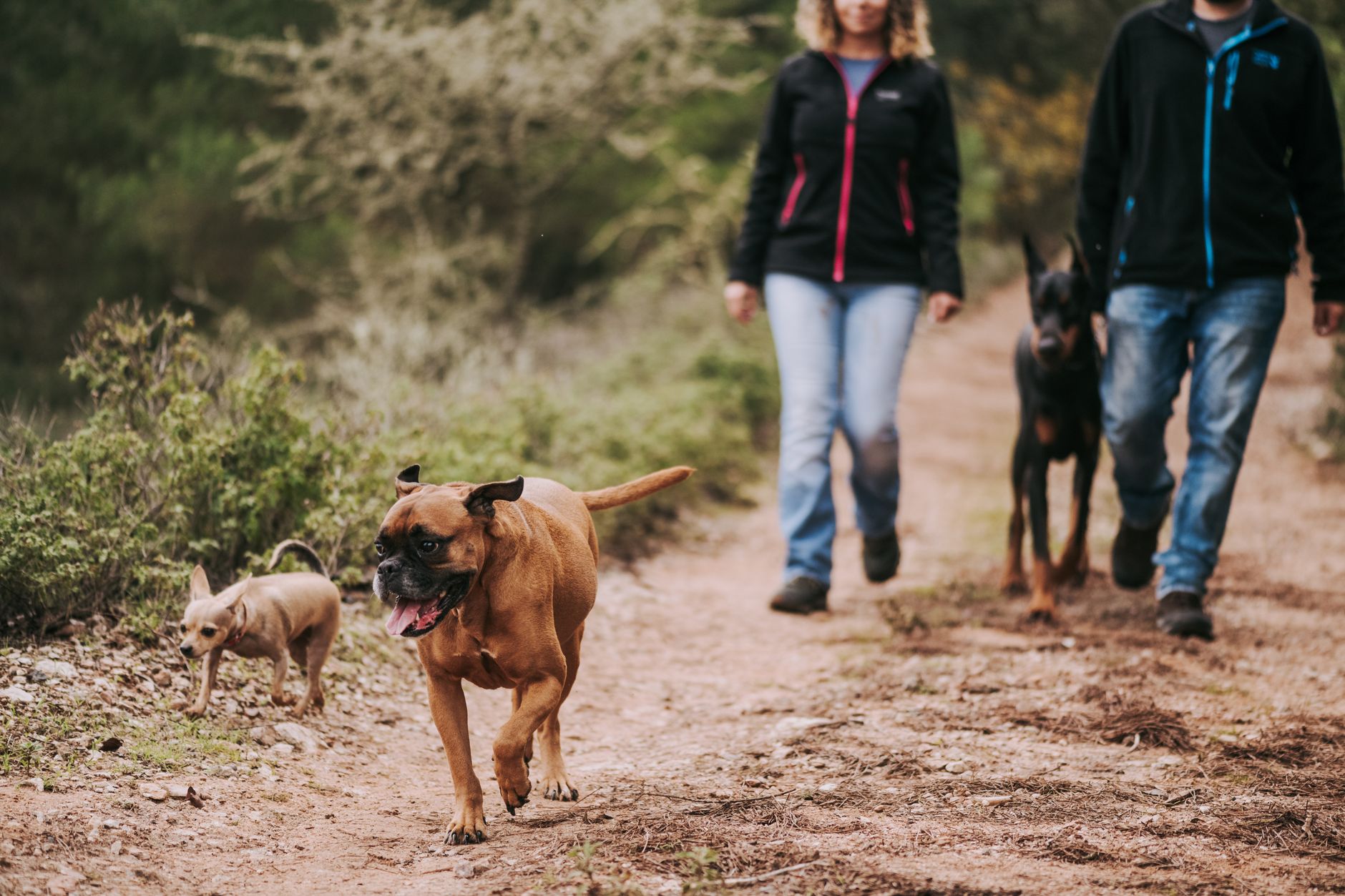
The Boxer is the class clown of the dog world: bouncy, goofy, endlessly enthusiastic, and mentally a puppy well into their third year. That exuberance is the whole training challenge — a Boxer has the energy and strength of a serious athlete and the impulse control of a toddler, for a long time. They're also surprisingly sensitive under the jock exterior, which means the plan is patient, upbeat, early, and consistent — and built around a flat-ish face that limits hot-weather exertion. Get it right and you have a devoted, funny, family-loving companion. Get impatient and you have eighty pounds of bouncing frustration.
A Boxer is a sensitive clown in an athlete's body who stays a puppy for years — train with patience and humor, or the exuberance trains you.
📋 Quick Read
- The wiring: bred as working guard-and-companion dogs — hence the athleticism, the playful exuberance, the strength, the devotion to family, the natural watchfulness, and a famously slow, long-lasting puppyhood.
- Superpowers: intelligent, eager, playful, and people-devoted — capable and fun in training when it's kept upbeat and engaging.
- Watch-fors: the long adolescence means jumping and mouthy exuberance run for years (start early, stay consistent); they're sensitive to harshness despite the tough look; they need real exercise; and their shortened muzzle means heat-caution matters.
Start early and stay patient through the long puppyhood
The Boxer's extended adolescence is the central planning fact: they stay bouncy, mouthy, and impulse-poor for years, and all that lands with an athlete's strength — so front-load the foundation while the dog is younger and smaller, and hold consistency through the long teenage phase without losing patience. Prioritize impulse control (the impulse and settle lessons — a Boxer's whole challenge is the gap between their energy and their brakes), four-on-the-floor for the jumping (the jumping lesson — this is a leaping breed and the jumps are forceful), loose-leash walking (a strong exuberant dog who pulls is a handful), and bite-inhibition for the mouthy play (the bite lesson). Keep it upbeat and varied, because Boxers bore with repetition and are sensitive despite the tough look — harsh or monotonous training sours them, while games, tricks, and engaging reward-based work bring out their clever, eager best. And genuinely pace yourself: the Boxer who seems to 'forget everything' at eighteen months isn't defiant, they're a slow-maturing breed mid-adolescence, and the consistency you hold now pays off in the wonderful adult dog they become — it just takes longer than you'd expect.
Channel the athlete, respect the muzzle
A Boxer is a real athlete who needs real exercise plus mental work — an under-exercised Boxer pours that energy straight into the jumping, mouthing, and mischief the breed gets known for, so the daily exercise-plus-brain-work block (the high-energy lesson's job menu) is preventive medicine for half the 'behavior problems.' Channel the exuberance into outlets that suit them: vigorous play, fetch, tug-with-rules, dog sports (they can excel at agility, rally, and obedience when the training stays fun), and the trick training their clown nature loves. But respect the muzzle: Boxers are moderately brachycephalic, so while they're far more athletic than a Frenchie, they still have reduced heat tolerance and airway limits — exercise in the cool parts of the day, avoid hard exertion in heat, provide water and shade, and watch for overheating and breathing distress (the summer-heat lesson), because a Boxer's enthusiasm will write checks their shortened airway can't always cash. Balance is the art: a Boxer needs substantial exercise to be manageable AND has real heat limits, so you're finding the sweet spot of enough-but-not-in-the-heat, leaning on cool-hours activity and mental enrichment to fill the gap on hot days.
- Foundation manners front-loaded early
- Impulse control and four-on-the-floor prioritized (the exuberance)
- Training kept upbeat and varied (sensitive, bores easily)
- Real daily exercise plus mental work
- Exercise timed for cool hours; heat-limits respected
- Patience held through the long adolescence
🗓 This Week's Plan
- Days 1–2: Front-load impulse control and four-on-the-floor; commit to patient, upbeat sessions.
- Days 3–5: Set the real exercise-plus-brain-work block, timed for cool hours; pick a fun sport or trick track.
- Days 6–7: Learn the heat/breathing limits and build the hot-day enrichment substitute; hold consistency through the adolescence.
Channel your Boxer in Pak Social
Start early, stay patient, feed the athlete, mind the muzzle. The sensitive clown who stays a puppy for years becomes the devoted, funny companion the breed is famous for — it just takes consistency and humor to get there.
Get Pak Social — Free ➡️ Up nextTraining a Pomeranian: Breed-Specific Priorities5 min read›