Training a Vizsla: Breed-Specific Priorities
The 'velcro dog' — a sensitive, brilliant Hungarian pointer that bonds like no other. Highly trainable, but the priorities are enormous exercise, preventing separation anxiety, and using only the gentlest positive methods with a soft, sensitive soul.
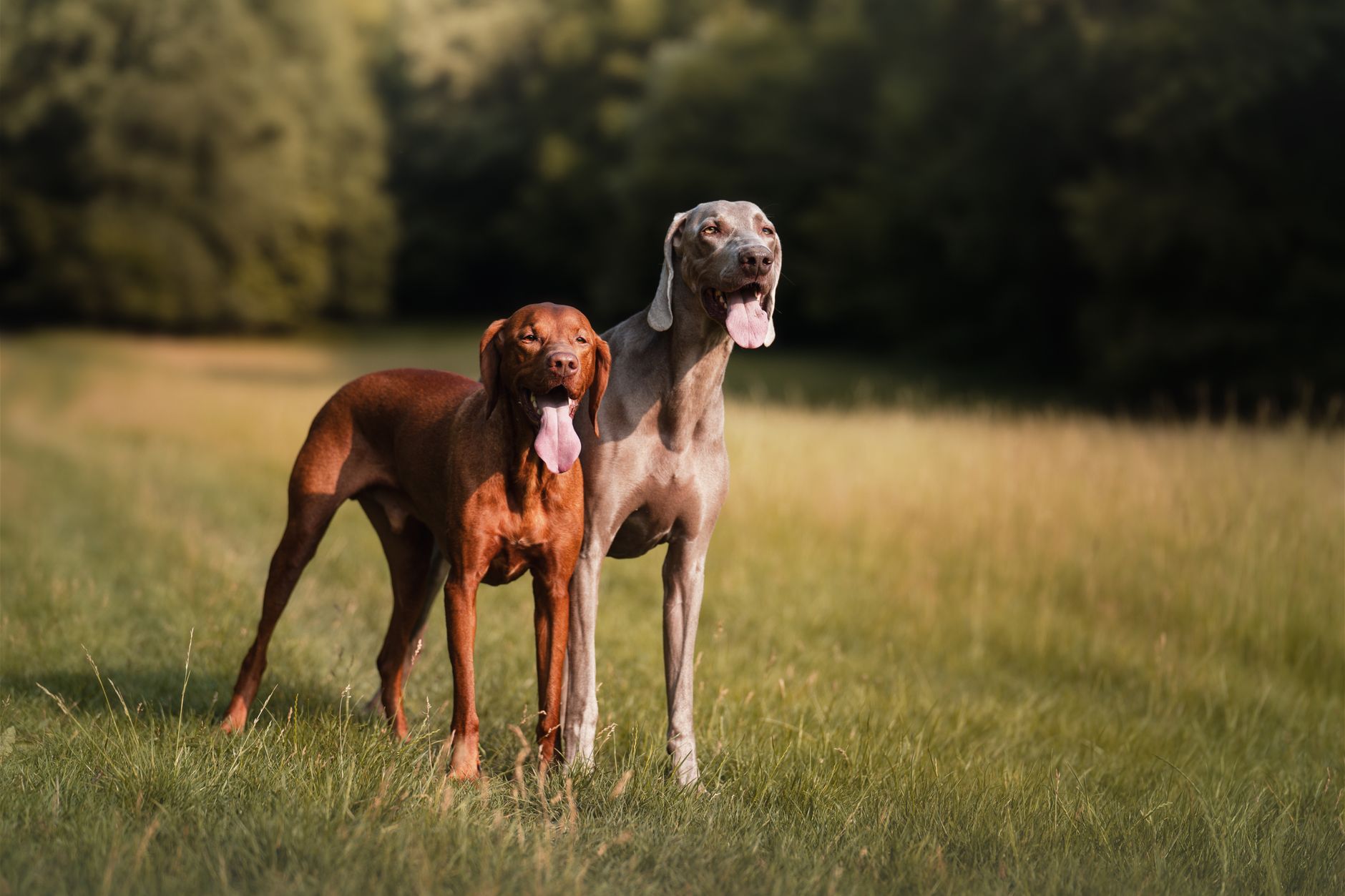
The Vizsla is a sleek, athletic Hungarian pointer — highly intelligent, deeply affectionate, and famously bonded to its people (the classic 'velcro dog'). It's very trainable, but three breed realities dominate the plan: a huge need for exercise, a strong tendency toward separation anxiety, and an emotional sensitivity that demands the gentlest positive methods. Meet the substantial daily physical and mental exercise a working gundog requires, build alone-time tolerance early to prevent the separation anxiety this breed is prone to, and train only with soft, positive, encouraging methods — harshness devastates a Vizsla.
A Vizsla is a brilliant, sensitive velcro dog — exercise it seriously, teach it to be alone early, and use only the gentlest positive training.
📋 Quick Read
- The wiring: a Hungarian pointer bred to hunt closely with people — intelligent, energetic, affectionate, sensitive, and intensely bonded to its family.
- The superpower: highly trainable and eager to work with you; Vizslas excel at obedience, agility, field work, and dog sports, and love having a job.
- The watch-fors: very high exercise needs, a strong predisposition to separation anxiety (build independence early), and deep emotional sensitivity (gentle positive methods only).
Trainable and tireless — meet the exercise need first
Vizslas are a joy to train — smart, eager, and desperate to work with their person — but the training only goes well when the exercise need is met. This is a serious athlete built for a day in the field, and it requires substantial daily physical exercise (running, fetch, hiking, a dog sport) plus real mental work. An under-exercised Vizsla channels its energy and anxiety into destruction, restlessness, and difficulty focusing, so the exercise isn't optional context — it's the foundation that makes everything else possible.
With the physical need met, reward-based training gets excellent results across obedience, agility, and field work, and the breed thrives on having a job. Build in mental challenges alongside the physical outlets, because a Vizsla's brain needs work as much as its body. A well-exercised, mentally engaged Vizsla is a calm, delightful housemate; a bored one is a whirlwind.
Guard against separation anxiety, and be gentle
The Vizsla's defining vulnerability is separation anxiety. This is a breed that bonds so intensely it can genuinely struggle to be alone, so the most valuable preventive training you can do is build alone-time tolerance early and gradually — short absences that lengthen over time, positive settle or crate time, and independence exercises that teach your dog solitude is safe and temporary. Start this from day one even if you're always home now; preventing separation anxiety is far easier than treating it once it's entrenched, and a Vizsla that's never learned to cope alone is a classic case.
Method matters enormously with this breed because Vizslas are emotionally sensitive. They respond beautifully to gentle, positive, encouraging, reward-based training and are genuinely harmed by harsh corrections, yelling, or heavy-handed methods — a Vizsla treated roughly becomes fearful, shut down, or anxious, which compounds the separation-anxiety risk. Be patient, kind, and consistent, keep training upbeat, and protect this soft soul's confidence. Meet the exercise, prevent the separation anxiety, and stay gentle, and you'll have the extraordinary, devoted partner the breed is loved for.
- Substantial daily physical exercise (a working athlete's load)
- Real daily mental work (training, sport, a job)
- Alone-time tolerance built early and gradually
- Positive settle/crate time and independence exercises
- Gentle, positive, reward-based methods only
- Plenty of togetherness (not left isolated for long)
🗓 This Week's Plan
- Days 1–2: Lock in substantial daily physical exercise plus real mental work — the foundation for everything else.
- Days 3–5: Build alone-time tolerance with short, gradual absences and positive settle time.
- Days 6–7: Commit fully to gentle, positive methods and add reward-based skills or a dog sport.
Train your Vizsla in Pak Social
Serious daily exercise, an early alone-time plan, and gentle positive training. Pak Social keeps your brilliant velcro dog fulfilled, secure, and confident.
Get Pak Social — Free ➡️ Up nextTraining a Shiba Inu: Breed-Specific Priorities5 min read›