Training a Shiba Inu: Breed-Specific Priorities
Cat-like, clever, and famously independent — the Shiba does things on its own terms. The priorities are motivation-based training for a dog that won't work for free, careful management of a strong prey drive, and never trusting an off-leash recall.
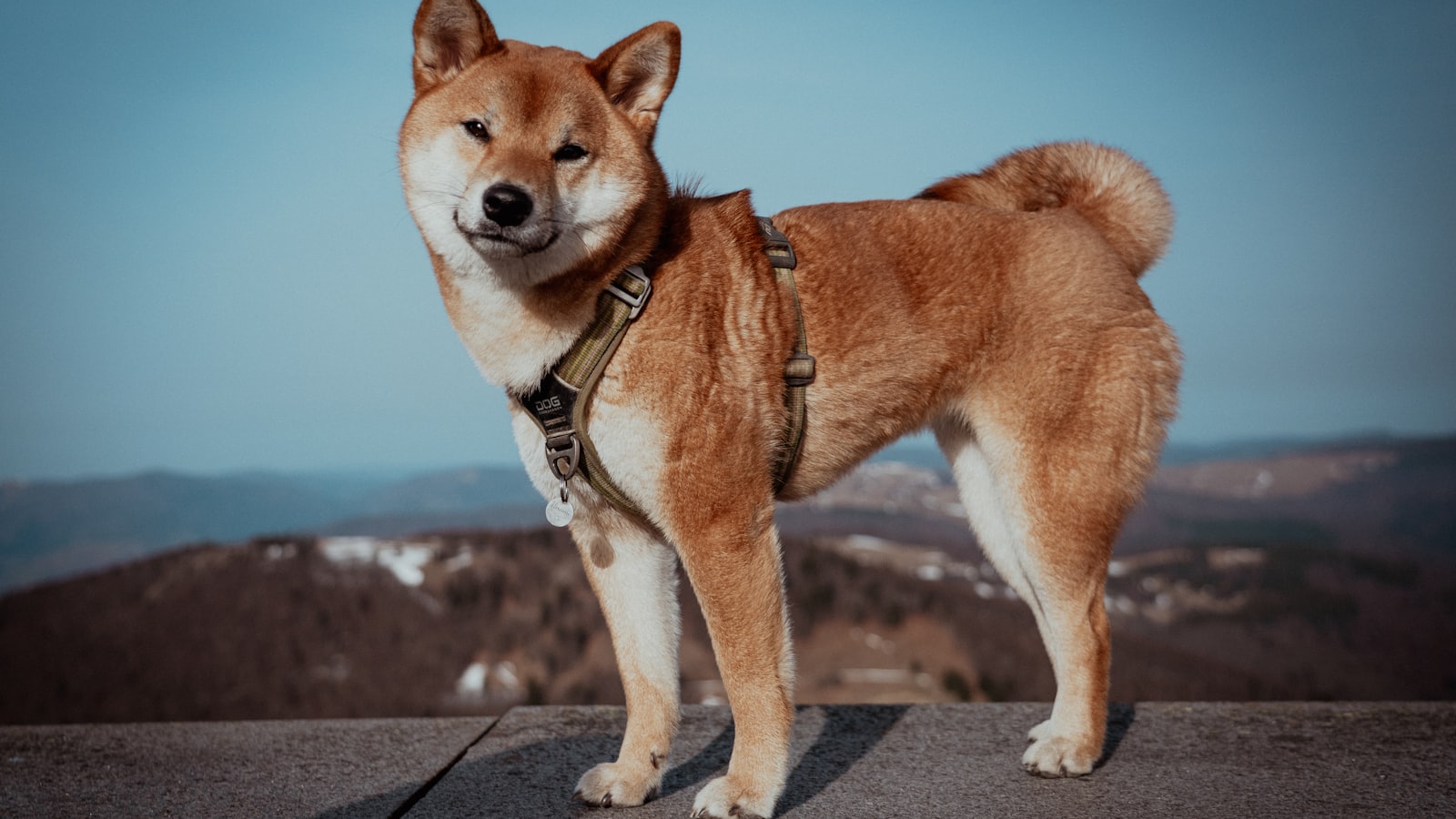
The Shiba Inu is a spirited, dignified Japanese breed with an almost cat-like independence — bold, clever, clean, and self-possessed. It is not an eager-to-please dog, and training one means abandoning any expectation of automatic obedience in favor of motivation, patience, and management. A Shiba will do what benefits it, so you win with high-value rewards and short engaging sessions; you manage a strong prey drive and a notorious escape-and-bolt tendency with secure containment and a firm no-off-leash rule; and you accept that this primitive-type breed cooperates as a partner, not a servant.
A Shiba Inu works for what benefits it, not to please you — motivate, manage the prey drive, and never trust the recall off-leash.
📋 Quick Read
- The wiring: an ancient Japanese hunting breed — independent, intelligent, bold, and cat-like, with strong prey drive and a self-directed, aloof-ish temperament.
- The reality: not a biddable breed. Shibas are clever but do things on their own terms, so training requires motivation, patience, and realistic expectations — not obedience drilling.
- The watch-fors: strong prey drive and a bolting/escape tendency (secure containment, no off-leash trust), independent stubbornness (reward-based motivation), and the famous 'Shiba scream' and resistance to handling (early positive socialization and handling).
Independent and clever — motivation is everything
The Shiba Inu will humble anyone expecting instant obedience. This is a proud, independent, cat-like breed that was bred to hunt on its own judgment, so it simply doesn't have the built-in desire to please that makes other breeds easy. The owners who succeed adjust their approach entirely: they motivate rather than command. High-value rewards, short and genuinely interesting sessions, and making cooperation clearly beneficial get a Shiba working; nagging, repetition, and force get a Shiba tuning you out.
Set realistic expectations. A Shiba can learn solid manners and useful skills, but it will always retain an independent streak and may choose not to comply when the payoff isn't there — that's the breed, not a training failure. Early, patient socialization builds a more confident, adaptable adult, and keeping training positive preserves the willingness you do have. Respect the Shiba's dignity and self-possession, and you'll get cooperation as a partnership rather than servitude.
Manage the prey drive, the escapes, and the handling
The safety-critical part of owning a Shiba is respecting its prey drive and escape tendency. Bred to hunt, a Shiba can lock onto a small animal and bolt in an instant, and the breed is famously athletic and clever about escaping yards and slipping leashes. Its recall is not reliable in the moment — no Shiba should be trusted off-leash in an unfenced area, and containment needs to be genuinely escape-proof (secure fencing, careful gate and door management). Train a 'leave it' and practice recall for controlled settings, but never bet your dog's life on it near roads or open space. This is the number-one rule of Shiba ownership.
The other practical task is handling. Shibas are known for resisting restraint and grooming — the dramatic 'Shiba scream' is real — so introducing cooperative-care handling early and positively (paws, nails, ears, brushing, being held) makes vet visits and grooming far easier over a lifetime. Go slow, pair handling with rewards, and build tolerance before you need it. Manage the prey drive and escapes rigorously, build handling tolerance early, and the Shiba's independence becomes a charming quirk rather than a danger.
- Motivation-based, reward-driven training with realistic goals
- Short, interesting sessions (no drilling or force)
- Escape-proof containment and careful door/gate management
- A firm no-off-leash rule in unfenced areas
- A trained 'leave it' and managed prey drive
- Cooperative-care handling built early and positively
🗓 This Week's Plan
- Days 1–2: Switch to motivation-based, high-value, short sessions and set realistic partnership goals.
- Days 3–5: Audit containment (escape-proof fencing, door/gate discipline) and commit to no off-leash in unfenced areas; start a 'leave it.'
- Days 6–7: Begin gentle, positive cooperative-care handling for nails, grooming, and restraint.
Train your Shiba Inu in Pak Social
Motivate instead of command, manage the prey drive and escapes rigorously, and build handling tolerance early. Pak Social helps you work with a cat-like independent breed on its own terms — safely.
Get Pak Social — Free ➡️ Up nextTraining a Cocker Spaniel: Breed-Specific Priorities4 min read›