Training a Cavalier King Charles Spaniel: Breed-Specific Priorities
Gentle, affectionate, and eager to please — the Cavalier is one of the easiest small breeds to train, with one real challenge: their devotion runs so deep that being alone is genuinely hard.
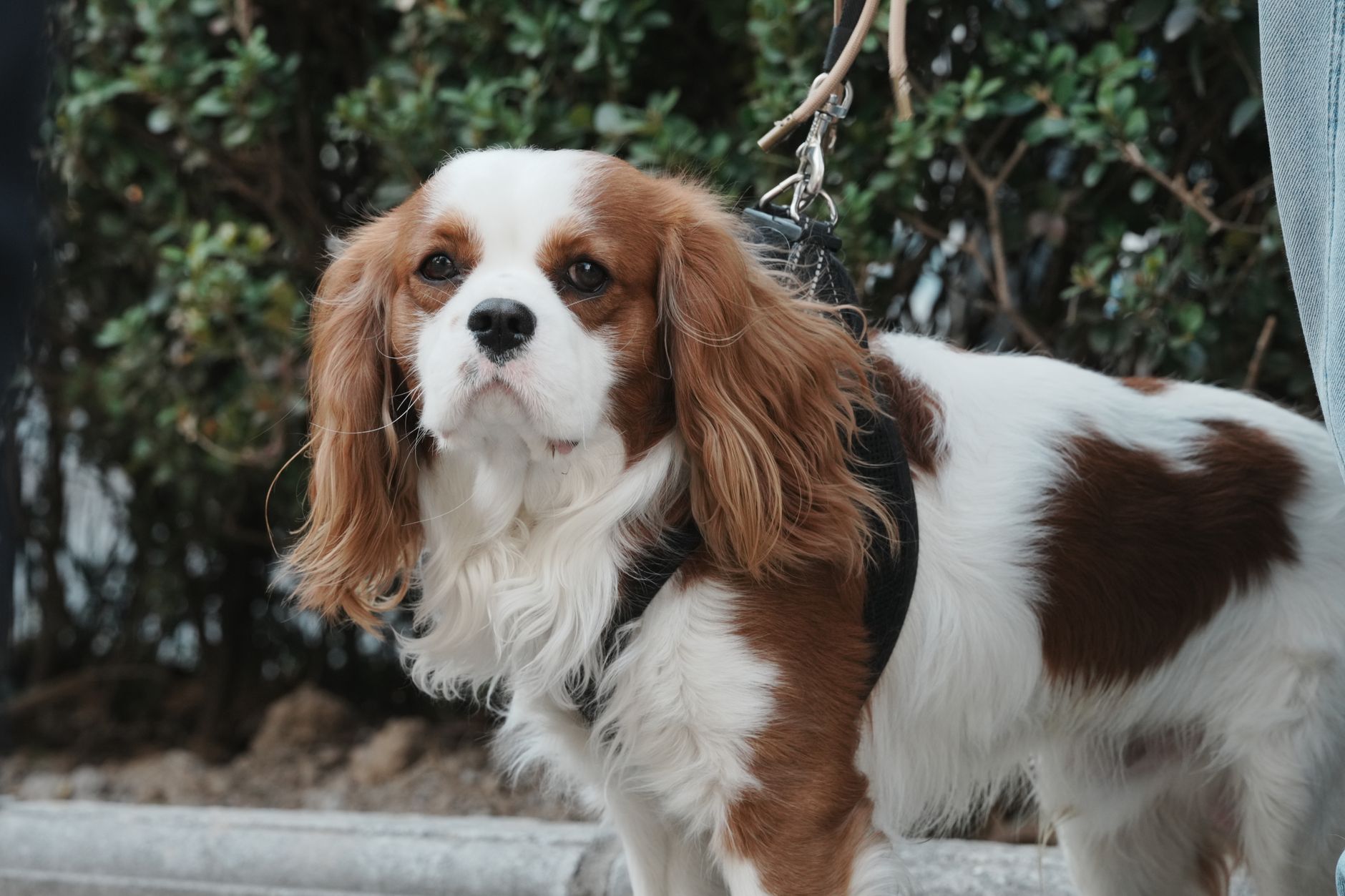
The Cavalier King Charles Spaniel might be the sweetest-tempered dog in the world: gentle, affectionate, eager to please, and happy to adapt to almost any home. They're a delight to train — soft, biddable, food-motivated — with one significant catch: they were bred to be companions, full stop, and that devotion means being alone can be genuinely painful for them. The Cavalier's training plan is mostly easy wins plus one real priority: building the independence that a dog this bonded doesn't come with naturally.
A Cavalier's only hard training question isn't 'will they learn?' — it's 'can they cope without you?' Build the alone-time the devotion doesn't include.
📋 Quick Read
- The wiring: bred purely as companion lapdogs — hence the gentle affectionate nature, the eagerness to please, the adaptability, the softness, and a deep human bond that makes solitude difficult.
- Superpowers: one of the most biddable, food-motivated, and gentle small breeds — easy and rewarding to train with positive methods.
- Watch-fors: the intense human attachment means separation anxiety is a real breed risk (independence-building is the top priority), their softness means harshness backfires, plus the standard small-breed housetraining patience and some spaniel sociability with dogs.
Bank the easy wins, gently
Enjoy the Cavalier's biddability: they're soft, eager, and food-motivated, so the foundation obedience, trick training, and manners curriculum comes easily with short, upbeat, purely positive sessions — a Cavalier wants to please you and finds training a pleasant way to be near you, which is exactly the motivation you want. Keep it gentle, because their softness means harshness isn't just unnecessary but genuinely counterproductive: a correction that a Boxer shrugs off can wilt a Cavalier and damage the trusting relationship that makes them so trainable. Use their people-focus as the reward it is (praise and closeness genuinely motivate this breed alongside food), teach real manners despite their small size (the four-on-the-floor and impulse basics still apply — a well-mannered Cavalier is a joy), and channel their gentle sociability into good experiences with other dogs and people (easy for this friendly breed). The manners and obedience side of a Cavalier is close to a training vacation — which is exactly why you save your real effort for the one thing that isn't easy.
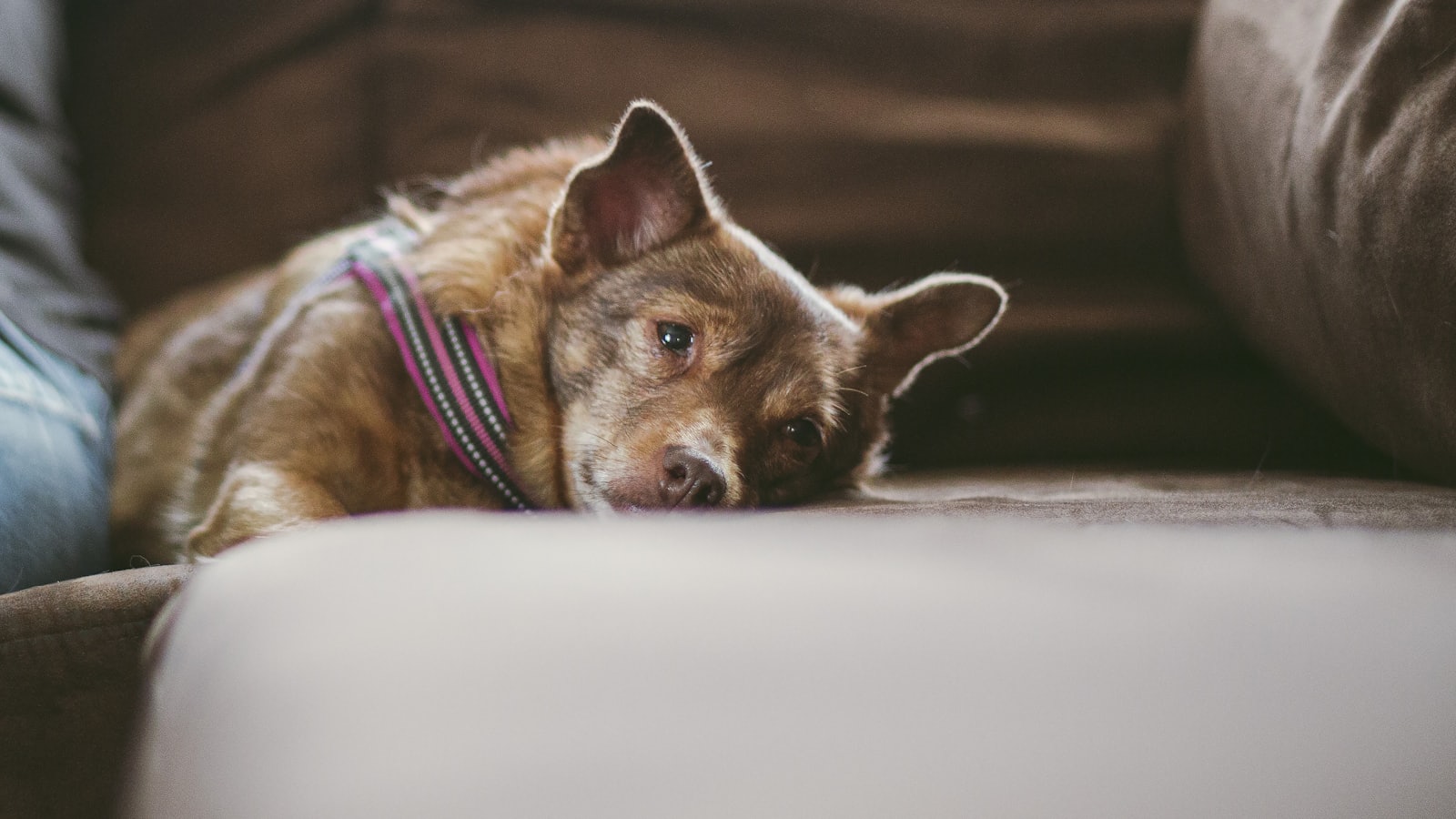
Build independence early — the breed's #1 priority
The Cavalier's deep devotion is their most lovable trait and their biggest training risk: this is a companion breed genuinely prone to separation anxiety, so building alone-time tolerance deliberately and EARLY is the most important thing you'll do — you're teaching a naturally velcro dog that solitude is safe before over-attachment hardens into panic. Start from puppyhood (or day one with an adult): the independence lessons' gradual absences (short departures that return before distress, built up slowly), positive alone-time (the crate or a safe space that predicts good things — chews, meals, calm — rather than only ever meaning you're gone), undramatic departures and arrivals (the emotional goodbye-and-reunion scenes feed the anxiety), and deliberately NOT letting the dog shadow you every waking moment (as tempting as it is with a dog this sweet, teaching them to settle apart from you in the same house is foundational). If separation distress is already showing (the boredom-vs-SA lesson's differential; genuine panic when alone), run the separation-anxiety protocol and involve your vet — Cavaliers are exactly the breed for which this matters. The goal isn't a less-devoted dog; it's a devoted dog who can also cope alone, which is the kindest thing you can give a breed wired to never want to leave your side.
- Foundation and manners trained with gentle, positive methods
- Alone-time tolerance being built deliberately and early
- A safe space that predicts good things, not just your absence
- Departures and arrivals kept undramatic
- The dog can settle apart from you in the same house
- Housetraining approached with small-breed patience
🗓 This Week's Plan
- Days 1–2: Enjoy the easy wins — start foundation and tricks with gentle positive sessions.
- Days 3–5: Begin deliberate alone-time work — short departures, positive safe-space, undramatic comings and goings.
- Days 6–7: Practice settling apart from you at home; watch for early over-attachment signs and run patient housetraining.
Build your Cavalier's independence in Pak Social
Bank the biddable wins gently, and spend your real effort on alone-time. A Cavalier will learn anything — the kindest thing you can teach is that being alone is safe.
Get Pak Social — Free ➡️ Up nextTraining a Great Dane: Breed-Specific Priorities6 min read›