Training a Cocker Spaniel: Breed-Specific Priorities
Sweet, gentle, and eager to please — one of the most trainable and family-friendly spaniels. The priorities are gentle positive methods for a sensitive dog, plenty of exercise for a sporting breed, and early handling for a coat that needs real grooming.
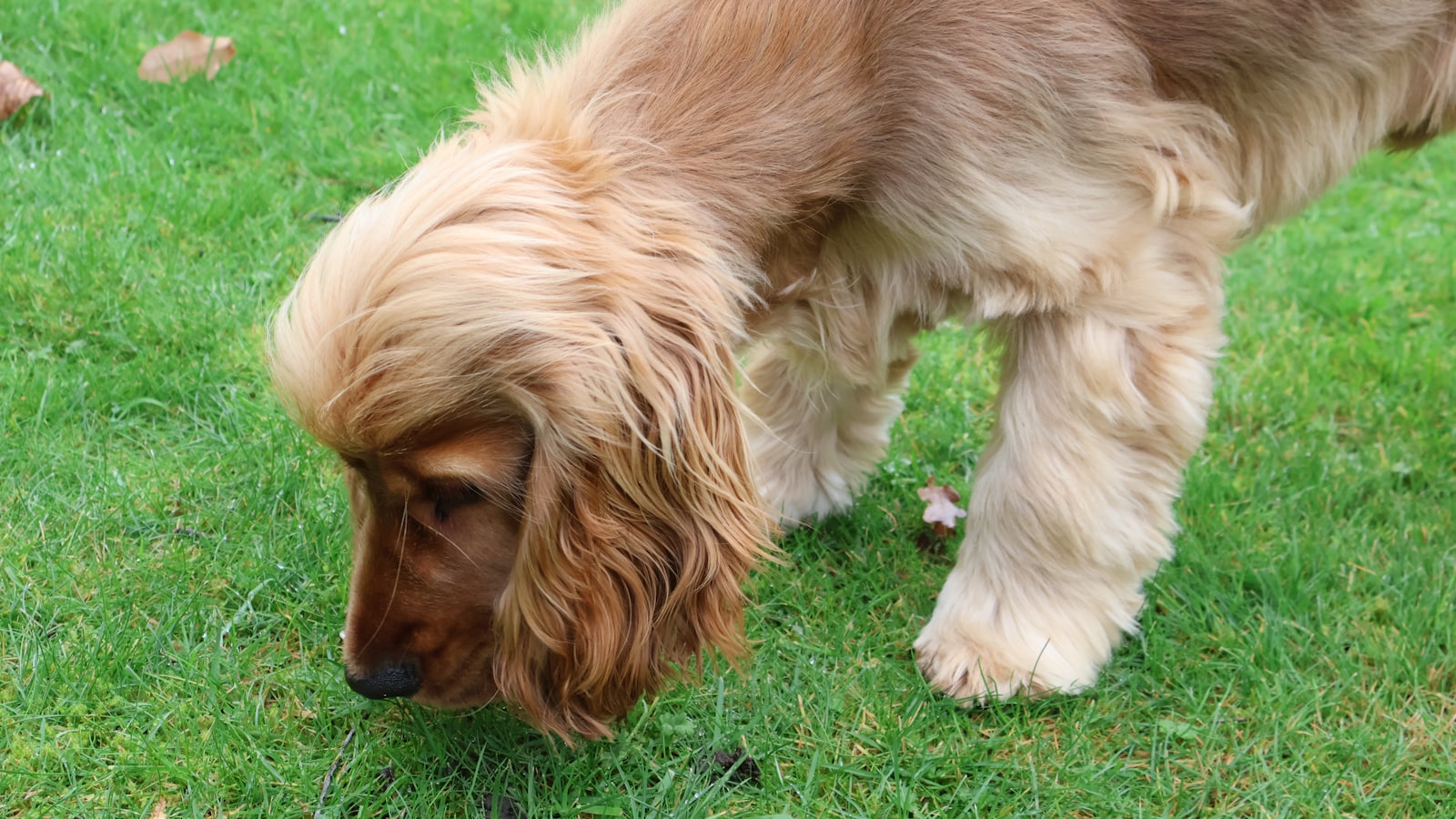
The Cocker Spaniel is a gentle, affectionate, merry sporting dog — bred to work closely with hunters and, as a result, wonderfully people-oriented and eager to please. That biddability makes it very trainable; the priorities are matching the method to a sensitive temperament, meeting a sporting breed's exercise needs, and starting grooming-handling early for a high-maintenance coat. Use gentle, positive, reward-based training (Cockers are soft and don't take well to harshness), provide solid daily exercise and mental work, and make brushing and grooming a positive routine from puppyhood.
A Cocker Spaniel is sweet, sensitive, and eager to please — train gently, exercise it well, and make grooming positive from the start.
📋 Quick Read
- The wiring: a bird-hunting spaniel bred to work with people — gentle, affectionate, merry, sensitive, and eager to please, with moderate-to-high energy.
- The superpower: biddable and people-focused, Cockers train readily with positive methods and make devoted, adaptable family dogs.
- The watch-fors: emotional sensitivity (gentle methods only), real exercise needs (a sporting breed, not just a lap dog), a high-maintenance coat (early grooming-handling), and — for some lines — watching for handling-related nervousness.
Eager to please — so train kindly
Cocker Spaniels are a pleasure to train because they're gentle, affectionate, and genuinely want to work with their people. Reward-based sessions get quick, happy results across obedience, tricks, and manners, and the breed thrives on the engagement. The essential method note is that Cockers are sensitive — they respond beautifully to gentle, positive, encouraging training and poorly to harshness. Corrections, yelling, or heavy-handed methods can make a sensitive Cocker anxious or shut down, so keep training kind, patient, and upbeat.
That sensitivity is a reason to be thoughtful, not a fragility to fear — a Cocker raised with gentle consistency becomes a confident, well-mannered, adaptable family dog. Early socialization helps build that confidence, and consistency across the household keeps things clear. Meet the breed with kindness and it gives you its whole heart.
Exercise the sporting dog and start grooming early
It's easy to treat a Cocker as a lap dog and forget it's a sporting breed, but it needs real exercise and mental stimulation — daily walks, play, retrieving games, and training work. An under-exercised Cocker can become restless, bored, or develop nuisance behaviors, so build solid physical and mental outlets into the routine. A well-exercised Cocker is calm and content; the exercise also channels the breed's cheerful energy productively.
The other practical priority is the coat. The Cocker's long, feathered coat needs regular brushing and professional grooming, and its ears need routine care to stay healthy. Getting the dog comfortable with grooming handling from puppyhood — brushing, bathing, paw and ear handling, being on a grooming table — turns a lifetime of coat maintenance into a calm routine rather than a struggle. Introduce it gently and positively, pair it with treats, and build tolerance before it's a necessity. Exercise the sporting dog, start grooming early, and train with kindness, and the Cocker is a wonderful, easy family companion.
- Gentle, positive, reward-based training only
- Early socialization for a confident temperament
- Real daily exercise (a sporting breed's needs)
- Daily mental stimulation and engagement
- Grooming-handling introduced gently from puppyhood
- Routine ear care built into the grooming habit
🗓 This Week's Plan
- Days 1–2: Commit to gentle, positive training and add reward-based skills and early socialization.
- Days 3–5: Lock in real daily exercise (walks, play, retrieving) plus mental stimulation.
- Days 6–7: Introduce positive grooming-handling — brushing, paws, and especially ears — with treats and short sessions.
Train your Cocker Spaniel in Pak Social
Gentle positive training, real daily exercise, and early grooming habits. Pak Social keeps your merry, sensitive spaniel confident, fulfilled, and easy to care for.
Get Pak Social — Free ➡️ Up nextTraining a Chihuahua: Breed-Specific Priorities5 min read›