Training a Chihuahua: Breed-Specific Priorities
Tiny, bold, and smarter than people expect — the Chihuahua is fully trainable, but it's the breed most often ruined by being treated as an accessory. The priorities are real training, bold-but-careful socialization, and patient housetraining.
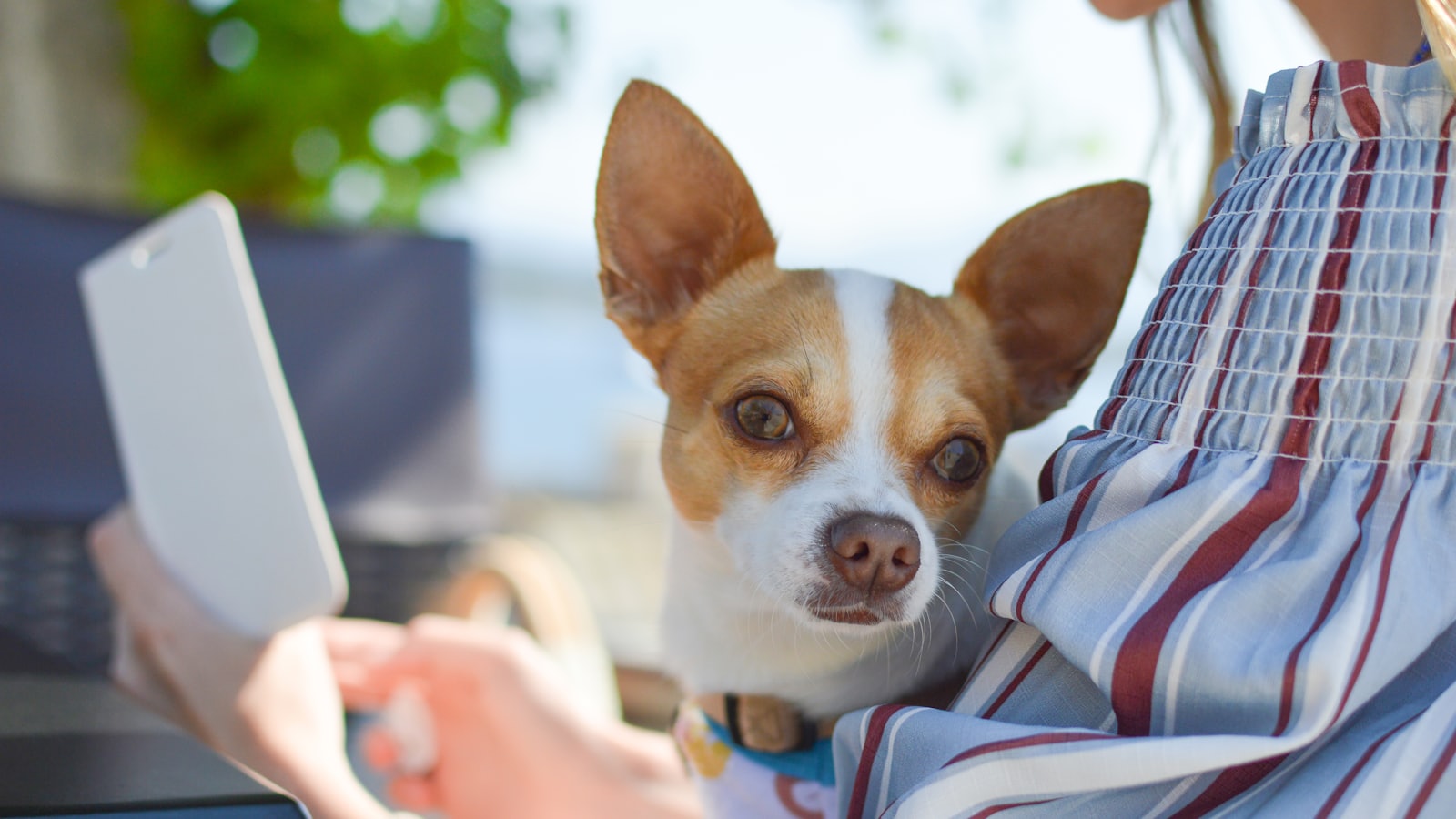
The Chihuahua is a tiny dog with an enormous personality — bright, bold, devoted, and far more capable than its size suggests. Its training problems are almost entirely owner-created: because it's so small and portable, it's the breed most often carried everywhere, never trained, and never properly socialized — which produces the yappy, snappy, fearful 'purse dog' stereotype. Treated as a real dog, a Chihuahua trains beautifully. The priorities are genuine reward-based training, bold-but-careful socialization to build confidence, and the patient housetraining every tiny breed needs.
A Chihuahua's biggest problem is being treated like an accessory. Train it, socialize it, and housetrain it like a real dog, and the 'purse dog' stereotype never forms.
📋 Quick Read
- The wiring: a tiny companion breed — bold, alert, intelligent, intensely loyal (often to one person), and bigger in attitude than in size.
- The reality: fully trainable and capable — the stereotypes (yappy, snappy, un-housetrainable) are products of under-training and coddling, not the breed's nature.
- The watch-fors: 'small dog syndrome' from being coddled and un-trained, fearfulness from under-socialization, small-dog housetraining patience, and physical fragility needing gentle handling.
Treat it as a dog, not an accessory
The single most important decision a Chihuahua owner makes is to train the dog like a real dog. A Chihuahua is smart and fully capable of learning obedience, tricks, and excellent manners with reward-based training — the reason so many are poorly behaved is that they're carried everywhere and never asked to learn anything. Hold your Chihuahua to normal standards: no jumping, polite greetings, come when called, calm behavior, and no free pass on growling or snapping just because it's tiny. Do that, and the whole 'small dog syndrome' stereotype simply never develops.
Managing behavior by scooping the dog up is the classic trap — it teaches the Chihuahua nothing except that noise and drama make scary things go away. Instead, train the alternative behavior you want. A Chihuahua that's been genuinely trained is confident, mannerly, and a delight; one that's been coddled in place of training becomes the yappy, snappy caricature. The choice is the owner's.
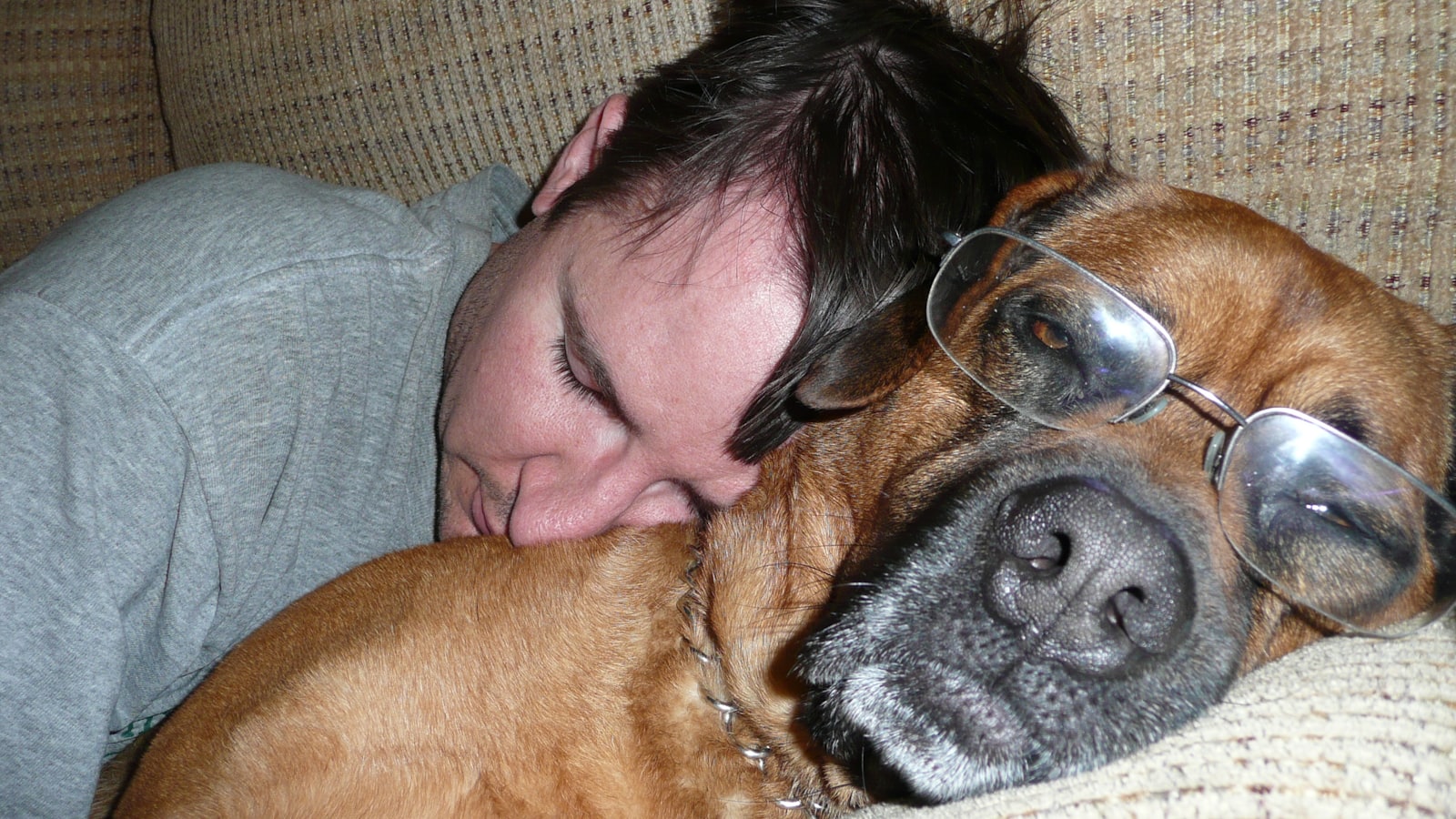
Socialize for confidence, housetrain with patience, handle gently
Socialization is what separates a bold, friendly Chihuahua from a trembling, snappy one — and it's the piece owners most often skip. Give your Chihuahua rich, positive exposure to people, dogs, sounds, and surfaces, with one adjustment: keep it controlled and positive, because at this size a bad encounter with a big dog or a rough child can genuinely hurt or terrify it. Confidence is built through good experiences, not by keeping the dog in your arms. Reward calm greetings, let your Chihuahua explore the world on its own feet, and don't reinforce the growl-and-scoop cycle.
Housetraining takes ordinary small-dog patience — tiny bladders, easy-to-miss accidents, and reluctance to go out in cold or wet — so a consistent schedule, a right-sized confined space, frequent trips, and prompt generous rewards for going outside are the recipe. Finally, respect the fragility: Chihuahuas are delicate, so handle gently, protect them from rough play and big-dog encounters, and teach children to be calm and careful. Socialize for confidence, housetrain patiently, and handle with care, and the real Chihuahua — brave, clever, and devoted — shows up.
- Trained to full-dog manners with reward-based methods
- Rude behavior addressed, not excused for being small
- Bold-but-careful positive socialization
- Confidence built from the ground, not from your arms
- A consistent housetraining schedule and right-sized space
- Gentle handling; protection from rough play and big dogs
🗓 This Week's Plan
- Days 1–2: Pick one behavior you've been excusing 'because he's tiny' and train the polite alternative to real standards.
- Days 3–5: Plan controlled, positive socialization — let your Chihuahua meet the world on its own feet — and reward calm greetings.
- Days 6–7: Tighten housetraining with a consistent schedule and prompt rewards, and set gentle-handling rules for the household.
Train your Chihuahua in Pak Social
Full-dog training, bold-but-careful socialization, and patient housetraining. Pak Social keeps your tiny, mighty companion confident and mannerly — never the stereotype.
Get Pak Social — Free ➡️ Up nextTraining a Maltese: Breed-Specific Priorities5 min read›