Training a Great Dane: Breed-Specific Priorities
A gentle giant who genuinely doesn't know their own size — with a Dane, manners aren't optional politeness, they're safety, because everything a small dog gets away with becomes dangerous at 140 pounds.
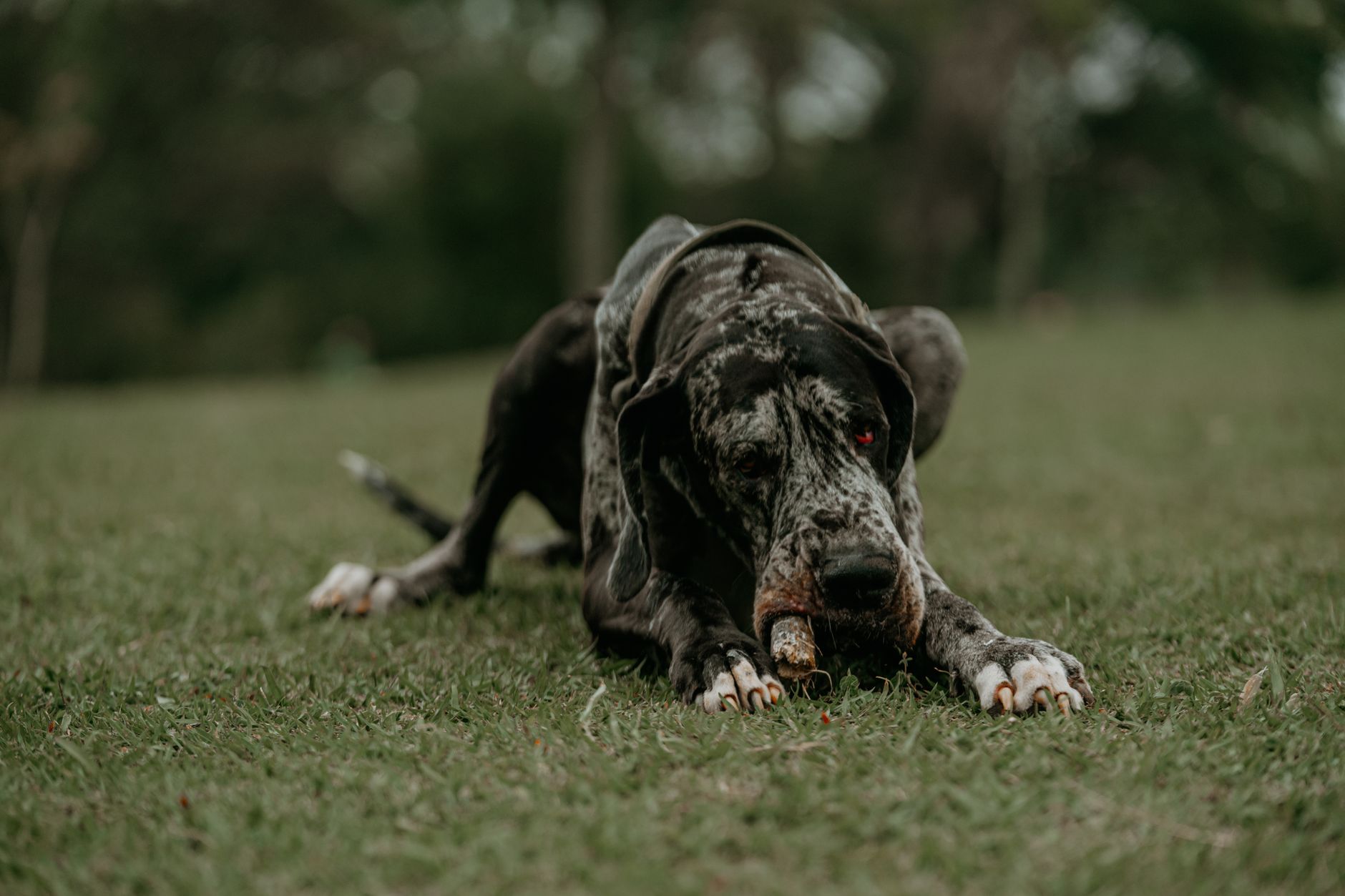
The Great Dane is a sweet, gentle, affectionate giant who will happily sit in your lap, lean their whole weight against you lovingly, and jump up to say hello with paws that land on your shoulders — because they genuinely have no idea they're the size of a small pony. With a Dane, foundation manners aren't about politeness; they're about safety, because every behavior a small dog gets away with — jumping, pulling, leaning, mouthing — becomes genuinely dangerous at 140 pounds. Train early while they're (relatively) small, keep it gentle for a sensitive breed, and respect a giant body with real health vulnerabilities.
A Great Dane thinks they're a lapdog — and at 140 pounds, that misunderstanding makes early manners a safety requirement, not a nicety.
📋 Quick Read
- The wiring: bred as noble guardian-and-hunting giants, now gentle companions — hence the affectionate 'gentle giant' nature, the surprising sensitivity, the moderate energy, and the sheer size that makes manners a safety issue.
- Superpowers: gentle, affectionate, eager to please, and trainable — biddable with positive methods and generally lower-energy than the working breeds.
- Watch-fors: manners MUST be trained early (jumping, pulling, leaning, mouthing are dangerous at giant size), they're sensitive (harshness backfires), giant-breed health matters (bloat risk, joint care, controlled growth), and their short lifespan means efficient early training.
Manners are safety — train them early while you still can
The core Great Dane insight is that foundation manners are non-negotiable safety training, not optional politeness, because a Dane's size turns ordinary misbehavior into genuine hazard: front-load four-on-the-floor (a jumping Dane can knock over an adult or seriously hurt a child — the jumping lesson), loose-leash walking (a pulling Dane can injure the handler and is nearly impossible to physically restrain — the leash lessons), impulse control (the door, the greeting, the food — the impulse lesson), gentle mouth (the bite-inhibition lesson), and a solid settle. Do it EARLY, while the Dane is a (still-large but) manageable puppy, because the window where you can guide rather than muscle closes fast with a giant breed, and an unmannered adult Dane is a retraining project measured in your own physical safety. Keep it gentle: Danes are sensitive, and harsh handling both backfires (they wilt) and is unnecessary (they're biddable and eager to please with positive methods — the humane-training lessons). The good news is that Danes are lower-energy than the working breeds and genuinely want to be good companions, so early, gentle, consistent manners training tends to go well — as long as you start before the size does.
Manage the giant body: growth, joints, and bloat
A Great Dane's size brings health realities that intersect directly with training and management. Controlled growth and joint protection: Danes grow enormously and rapidly, and that developing skeleton needs careful large-breed puppy nutrition (to slow growth to a joint-safe pace — the puppy-feeding lesson's large-breed rules) plus controlled exercise (no forced running, no jumping, no hard impact on growing joints — gentle age-appropriate activity only until mature, which for a giant breed is well past a year), because over-exercising or over-feeding a growing Dane sets up lifelong orthopedic problems. Bloat: Danes are one of the highest-risk breeds for gastric dilatation-volvulus (GDV/bloat), a life-threatening emergency (the bloat lesson is essential reading for Dane owners) — so meal management (multiple smaller meals, calm around feeding), knowing the emergency signs cold, and discussing prophylactic gastropexy with your vet (often recommended for the breed, sometimes done at spay/neuter) are genuinely part of raising a Dane. And the hard truth of giant breeds — a sadly short lifespan and elevated orthopedic and cardiac risks — means efficient early training and diligent preventive veterinary care matter especially, so you make the most of the years and catch problems early (the health-records, body-condition, and senior-care lessons apply younger than you'd expect, since giants age fast). Loving a Dane well means training the mind early and safeguarding the giant body throughout.
- Foundation manners front-loaded EARLY (jumping, pulling, greeting)
- Gentle, positive methods (the breed is sensitive)
- Large-breed puppy nutrition and controlled growth
- Controlled, low-impact exercise while joints develop
- Bloat signs known cold; gastropexy discussed with vet
- Diligent preventive care (giants age fast, vulnerabilities are real)
🗓 This Week's Plan
- Days 1–2: Front-load the safety-critical manners — four-on-the-floor, loose-leash, impulse control — with gentle positive methods.
- Days 3–5: Set large-breed puppy nutrition and controlled, low-impact exercise to protect growing joints.
- Days 6–7: Learn the bloat emergency signs, discuss gastropexy with your vet, and set up diligent preventive-care tracking.
Raise your gentle giant in Pak Social
Manners early and gently, growth controlled, bloat respected. A Dane genuinely doesn't know their size — so you install the safety, protect the giant body, and make the most of the years.
Get Pak Social — Free ➡️ Up nextTraining a Shih Tzu: Breed-Specific Priorities6 min read›