Teaching Socialization: Building Confidence in a Big, Wide World
Socialization isn't a meet-everyone marathon. It's a curriculum of calm experiences that teaches one lesson on repeat: the world is safe.
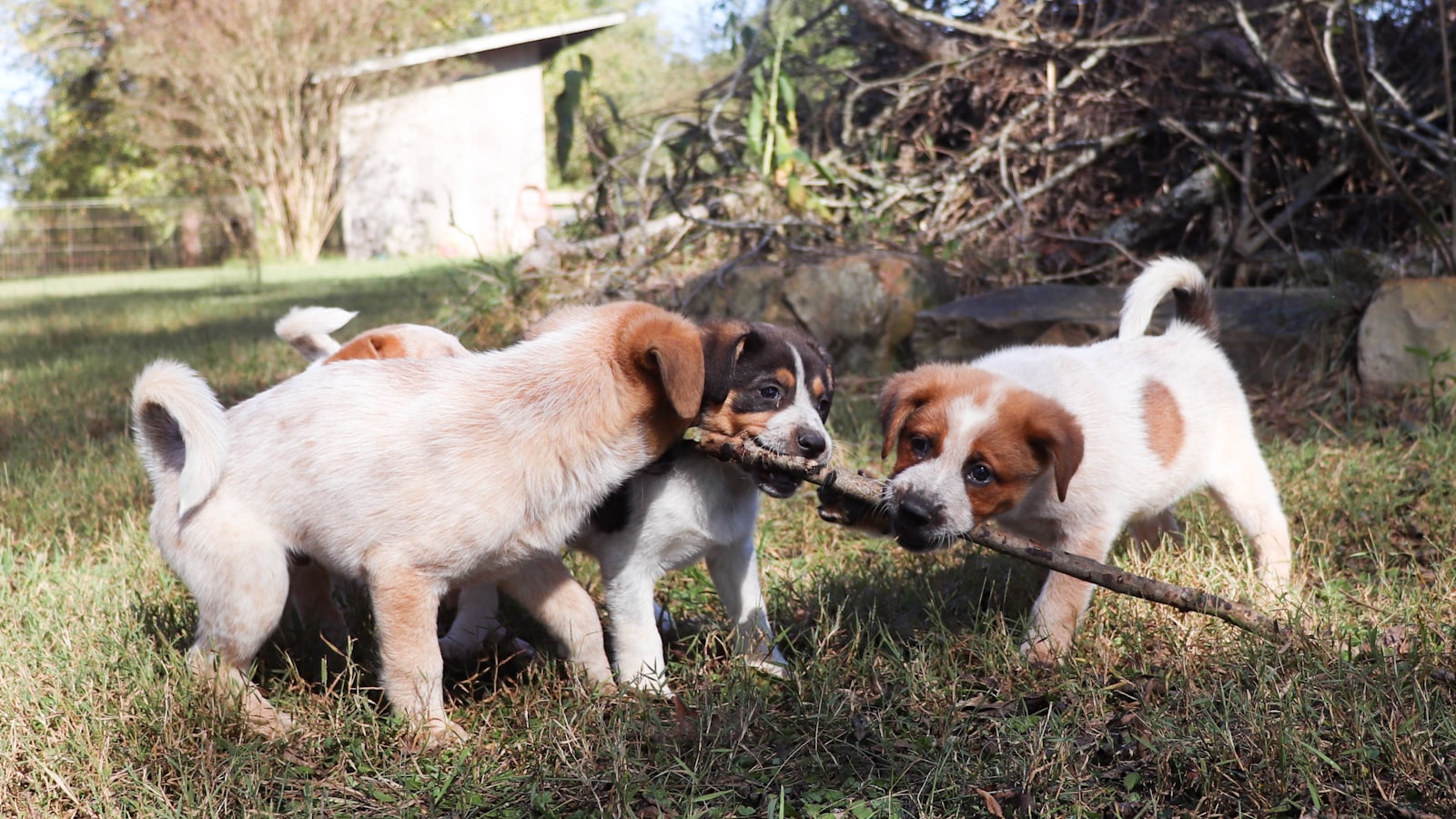
New owners hear "socialize your dog!" and picture a social calendar — dog parks, patio brunches, a parade of strangers offering treats. Then the checklist meets an actual dog: one who hides behind your knees at the farmers market while someone insists "it's fine, all dogs love me." Deep breath. Socialization was never about quantity of contact. It's about quality of conclusion — every outing ends with your dog concluding either "that was fine" or "that was too much," and only one of those builds a confident dog.
Socialization isn't a guest list. It's a confidence account you fund one calm experience at a time.
📋 Quick Read
- The goal is neutrality, not enthusiasm: a well-socialized dog can watch skateboards, strangers, and other dogs go by and file them under "boring." Loving everyone is optional.
- Exposure only counts as socialization when the dog stays under threshold — curious, able to eat, able to look away. Over threshold, the same outing teaches fear.
- Coverage beats intensity: many short, varied, positive experiences (surfaces, sounds, people, handling, places) outbuild any single big adventure.
Run it like a curriculum, not a gauntlet
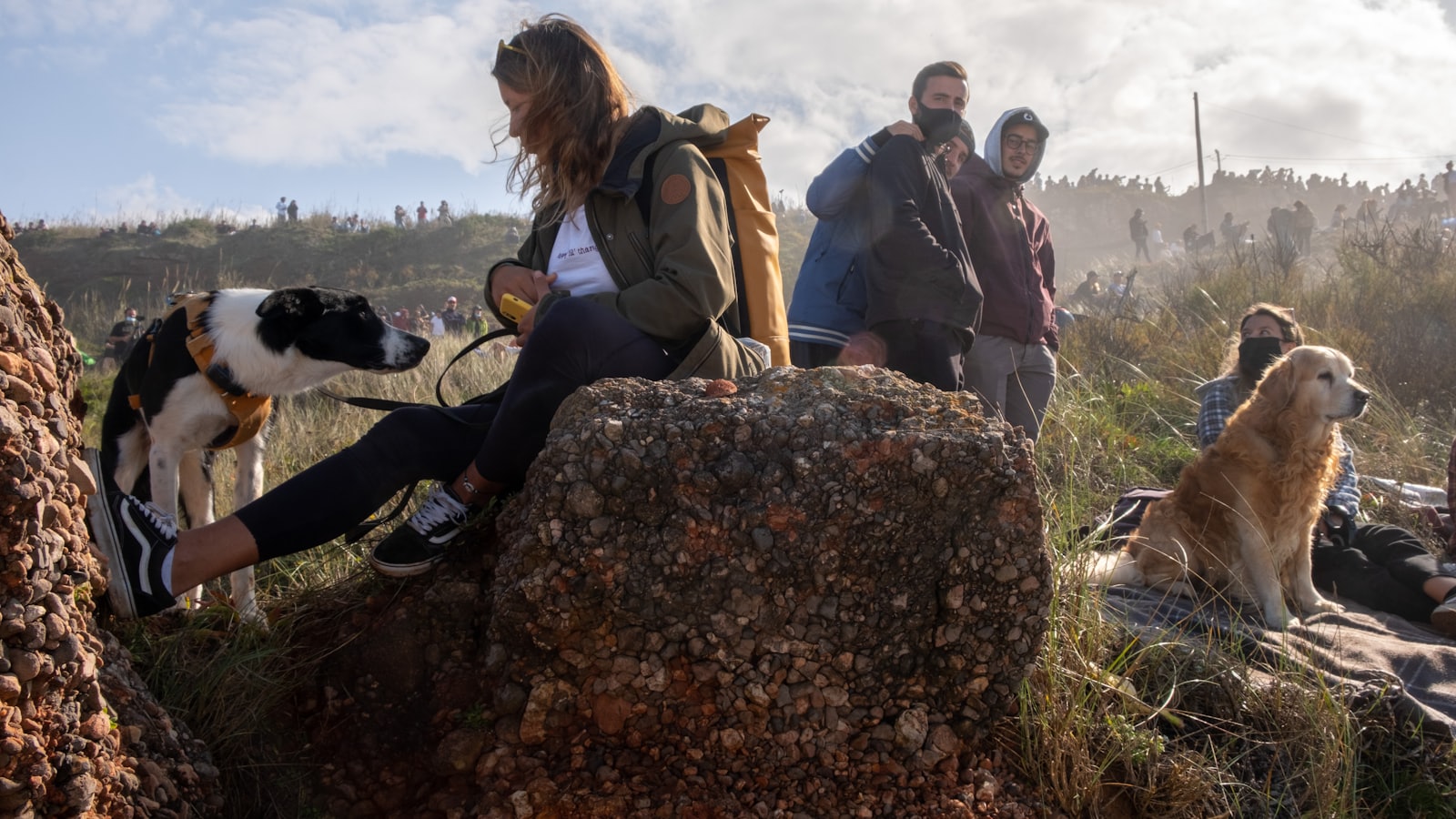
Think in categories, not events: surfaces (grass, gravel, metal grates, wet pavement), sounds (traffic, vacuums, kids shrieking, thunder recordings at low volume), people (hats, beards, wheelchairs, uniforms, toddlers at a distance), dogs (calm ones, at a distance, sometimes just watching), places (hardware store parking lot, quiet trail, outdoor café at the dead hour), and handling (paws, ears, being picked up — see the Handling lesson). Two or three short items a day, each ending while your dog is still comfortable, covers more ground in a month than weekend adventures ever will.
Read threshold like a pro
Under threshold looks like: loose body, curious sniffing, taking treats with a soft mouth, checking in with you voluntarily, choosing to approach and choosing to retreat. Over threshold looks like: refusing food, fixating or scanning, tucked tail, trying to leave, or the deceptive freeze that owners misread as calm. The single most useful socialization skill an owner can build is noticing the transition — because everything on the near side of it is deposits, and everything past it is withdrawals from the same account.
People, dogs, and the rough patch
With people, the golden setup is passive: the person ignores the dog, the dog investigates at their own speed, food appears (from you, not shoved at them by the stranger), and retreat is always allowed. With dogs, curate ruthlessly — one steady, tolerant adult dog on a parallel walk is a professor; a random mob is a lottery. And expect wobbles: many young dogs hit sensitive periods where last month's fine things suddenly aren't. Don't panic and don't push — drop the intensity, re-fund the account, and it passes.
The pattern most owners miss: under-socialization rarely looks like fear at first — it looks like a dog who's "fine" because they've never left the block. The bill arrives at eight months, at the groomer, in a beach-town vacation rental. Coverage now is cheap; remediation later is not.
- Varied surfaces (grates, gravel, slick floors)
- City sounds and household machines
- People of many types, at the dog's pace
- Calm dogs, mostly at a distance
- New places at quiet hours
- Handling and gentle restraint
- Traffic, bikes, and skateboards
🗓 This Week's Plan
- Days 1–2: Watch your dog around one mild novelty and calibrate the treat test — learn their under/over-threshold line.
- Days 3–5: Run the Category Sweep, one short exposure a day, ending early every time.
- Days 6–7: One passive-person setup and one parallel dog-walk at distance. Log conclusions, not just attendance.
Start the Socialization plan in Pak Social
Six categories, one calm experience each, this week. Fund the account now and the world becomes what you want it to be for your dog: wonderfully, permanently boring.
Get Pak Social — Free ➡️ Up nextTeaching Sit: Your Dog's First Victory9 min read›