Smart Collars: Hype vs. Help
GPS, heart rate, sleep scores — the marketing is breathless. Here's what dog wearables genuinely do well, what they can't, and who actually needs one.
The ad shows a glossy dog wearing what looks like a Fitbit, over a promise to "understand your dog like never before" — for $149 plus a subscription. Meanwhile your actual dog is asleep on your foot, being fairly understandable. So: hype, or help? The honest answer is both, depending on which feature and which dog — and the difference is worth knowing before you're two years into a subscription for data nobody reads.
A smart collar doesn't know your dog. It knows your dog's baseline — and that's the actual superpower.
📋 Quick Read
- The mature features are real: GPS location for escape-prone dogs, and accelerometer-based activity tracking that's been validated in published veterinary research.
- The magic isn't any single number — it's the baseline. Weeks of normal make quiet drifts visible: the senior slowing down, the scratching that's crept up, the restless nights.
- A wearable never diagnoses. It flags changes worth a conversation — with the actual expert, who orders actual tests.
What the tech genuinely does well
Two features have earned their keep. GPS tracking: for escape artists, rural roamers, and adventure dogs, live location is insurance that pays for itself the first time a gate blows open (know the difference: true GPS works anywhere with cell coverage and usually needs a subscription; Bluetooth tags only work near other people's phones). Activity monitoring: collar-mounted accelerometers have been validated in veterinary research and do a genuinely good job of tracking activity, rest, and even behaviors like scratching — which is how a collar notices the itch trend three weeks before it's bald-patch obvious.
Where the hype outruns the sensor
Be more skeptical of wellness scores and mood claims. A proprietary "health grade" compresses real measurements through unpublished math into a number that mostly drives app engagement. Heart-rate and respiratory tracking through fur is genuinely hard and varies by device and coat. And no collar diagnoses anything: a restlessness alert might be pain, heat, a thunderstorm, or the neighbor's new cat. Treat every alert as a flag on a timeline, not a verdict — and remember the recurring costs: subscriptions, battery charging discipline, and a fit snug enough to actually measure.
Who actually needs one — and what to do with the data
Strong cases: the escape-prone or off-leash dog (GPS), the weight-loss program that needs honest activity numbers, the senior where you want early warning on slowdowns, and post-injury recovery where "is he moving more this week?" deserves a real answer. Weak cases: a young, healthy, homebound dog whose owner mostly wants graphs. If you're in the weak column, a consistent walk log gets you 80% of the value for free.
The pattern most owners miss: the collar data that changes outcomes is almost never the daily score — it's the trend brought to the vet. "Her activity is down 30% over six weeks and night restlessness doubled" turns a vague "she seems off" appointment into a targeted one. Wearables earn their subscription on the day they make that sentence possible.
- My dog is an escape risk or works off-leash
- I'd genuinely act on activity or sleep trends
- I want early warning for a senior or recovering dog
- I'll keep it charged and fitted snugly
- I've priced the subscription honestly
- I know which one number I'd actually track
🗓 This Week's Plan
- Days 1–2: Run the gauge above honestly. If you land gray, start the free version: a daily hand-logged activity note.
- Days 3–4: If you're buying, comparison-shop on the feature you need (GPS vs. activity), subscription cost, and battery life — not the dashboard screenshots.
- Days 5–7: Device or not, start the baseline: two weeks of activity, sleep, and energy notes. That baseline is the superpower either way.
Start your dog's baseline in Pak Social
Two weeks of simple entries — activity, sleep, appetite. Whether a smart collar joins the team later or not, the baseline is what makes every change visible.
Get Pak Social — Free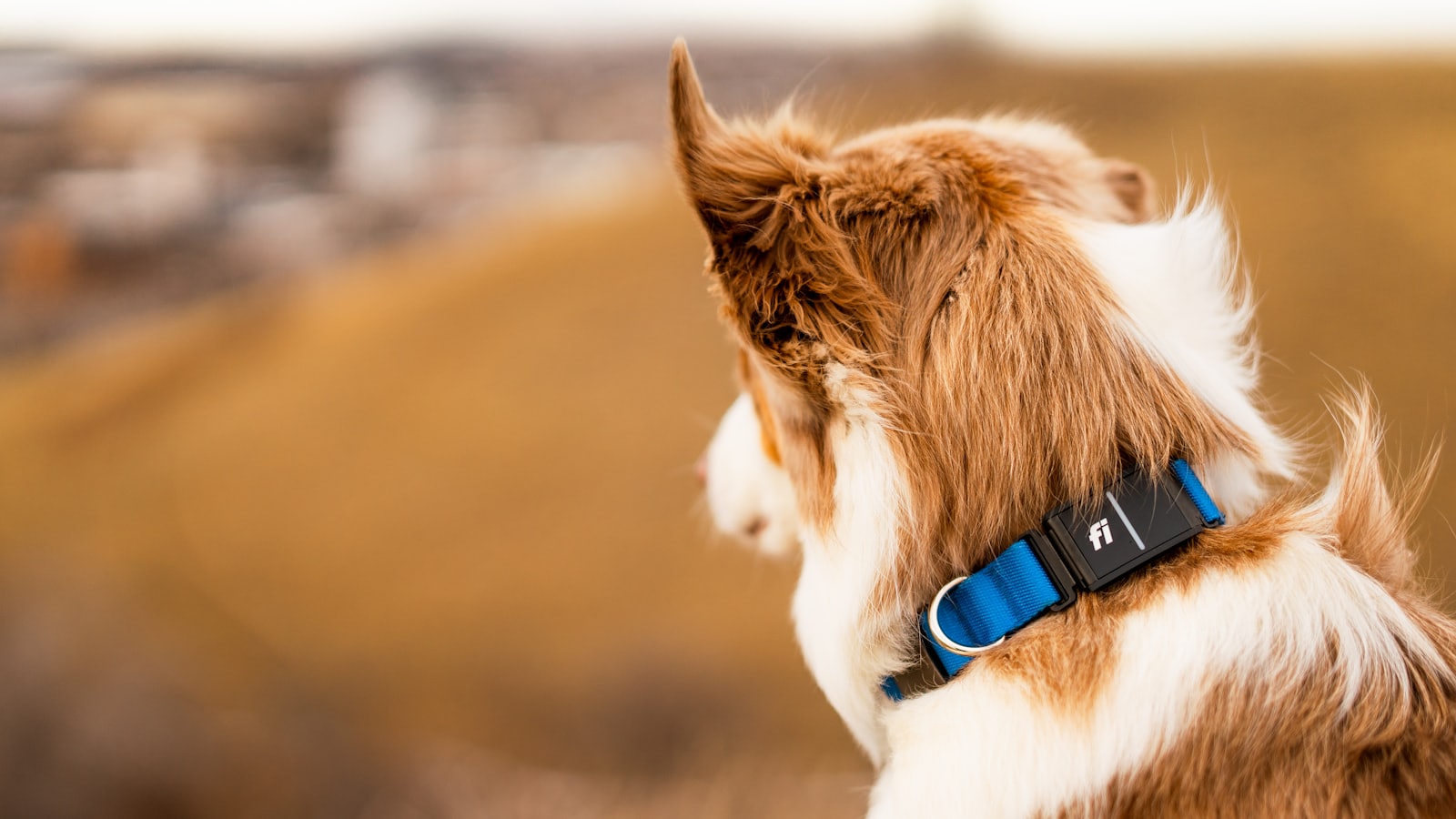 ➡️ Up nextWearable Sleep and Stress Signals5 min read›