GPS Trackers for Dogs: A Buyer's Lens
“Trackers” aren't all the same — and the differences matter most on the day your dog gets loose.
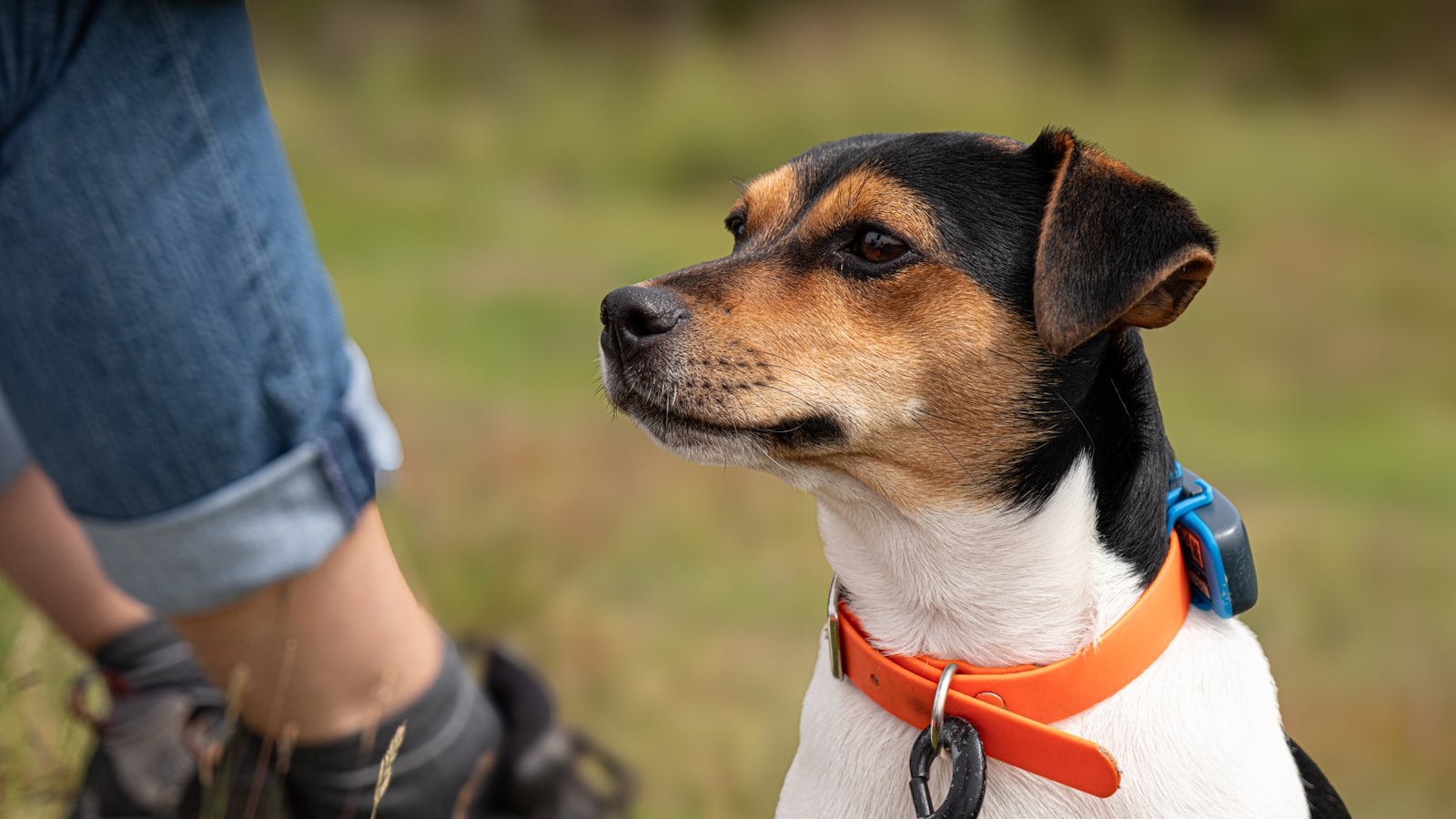
The pet-tech aisle is full of tags and trackers that all promise to help you find your dog, and they look interchangeable. They're not. A real-time GPS unit, a Bluetooth tag, a microchip, and a plain ID tag solve completely different problems — and buying the wrong one because it was cheaper is the kind of mistake you only discover the moment your dog bolts through an open gate. Here's how to shop with the right lens: match the tool to your actual risk.
The time to learn what your tracker can't do is not while your dog is disappearing over a hill.
📋 Quick Read
- Live GPS trackers show your dog's real-time location almost anywhere — but they need charging and usually a monthly subscription.
- Bluetooth tags (like AirTags) are cheap and battery-light, but only “find” your dog within short range or via nearby phones — not a runaway across town.
- A microchip and ID tag don't track at all; they reunite you once someone else finds your dog. Every dog should have both — as a backup, not a locator.
Locating vs. reuniting — the distinction that matters
Split every option into two jobs. Locating means "show me where my dog is, right now, so I can chase" — that's live GPS. Reuniting means "help someone get my dog back to me after they're found" — that's a microchip (scanned at a shelter or vet) and an ID tag (a finder reads your number). A tracker that reunites won't help you locate a dog running loose, and a locator still needs the chip-and-tag backup for the times tech fails. Most well-covered dogs have one of each job handled.
How the devices actually compare
Live GPS trackers (cellular-based) give real-time location over long distances and often add geofence alerts and activity tracking — at the cost of a subscription and regular charging. Bluetooth tags are inexpensive and last a long time on a battery, but their "finding" depends on being near your phone or another user's device, so they're better for "which room is the leash in" than for a genuine escape. Microchips are permanent and cheap but passive — only useful when someone scans your dog. The chart sums up how far each can actually find your dog.
Shop for your situation, not the marketing
Before you buy, check the things the box won't shout about: real-time GPS vs. Bluetooth-only, battery life, whether there's a subscription and what it costs, geofence/alert features, and — crucially — the size and fit on your dog. A tracker too bulky for a small dog won't get worn, and one that won't hold a charge won't help. Then make sure the low-tech backup is done: microchip registered with current contact info, and a readable ID tag on the collar.
🗓 This Week's Plan
- Days 1–2: Honestly rate your dog's escape risk (bolter, off-leash adventurer, or homebody) — that sets what you actually need.
- Days 3–4: If you need live location, compare GPS units on range, battery, subscription, and fit; if not, focus on a great chip-and-tag setup.
- Days 5–7: Confirm the backup — microchip registered with current info, readable ID tag — and save the details in Pak Social.
Store your dog's ID essentials in Pak Social
Keep the microchip number, ID details, and emergency contacts one tap away. Whatever tracker you choose, make sure the reunite-me basics are done and current.
Get Pak Social — Free