Muzzle Training Without Stigma
The most misunderstood equipment in dog ownership: why every dog benefits from happy muzzle skills, how to condition one properly, and why the basket muzzle is a mark of a prepared owner — not a dangerous dog.
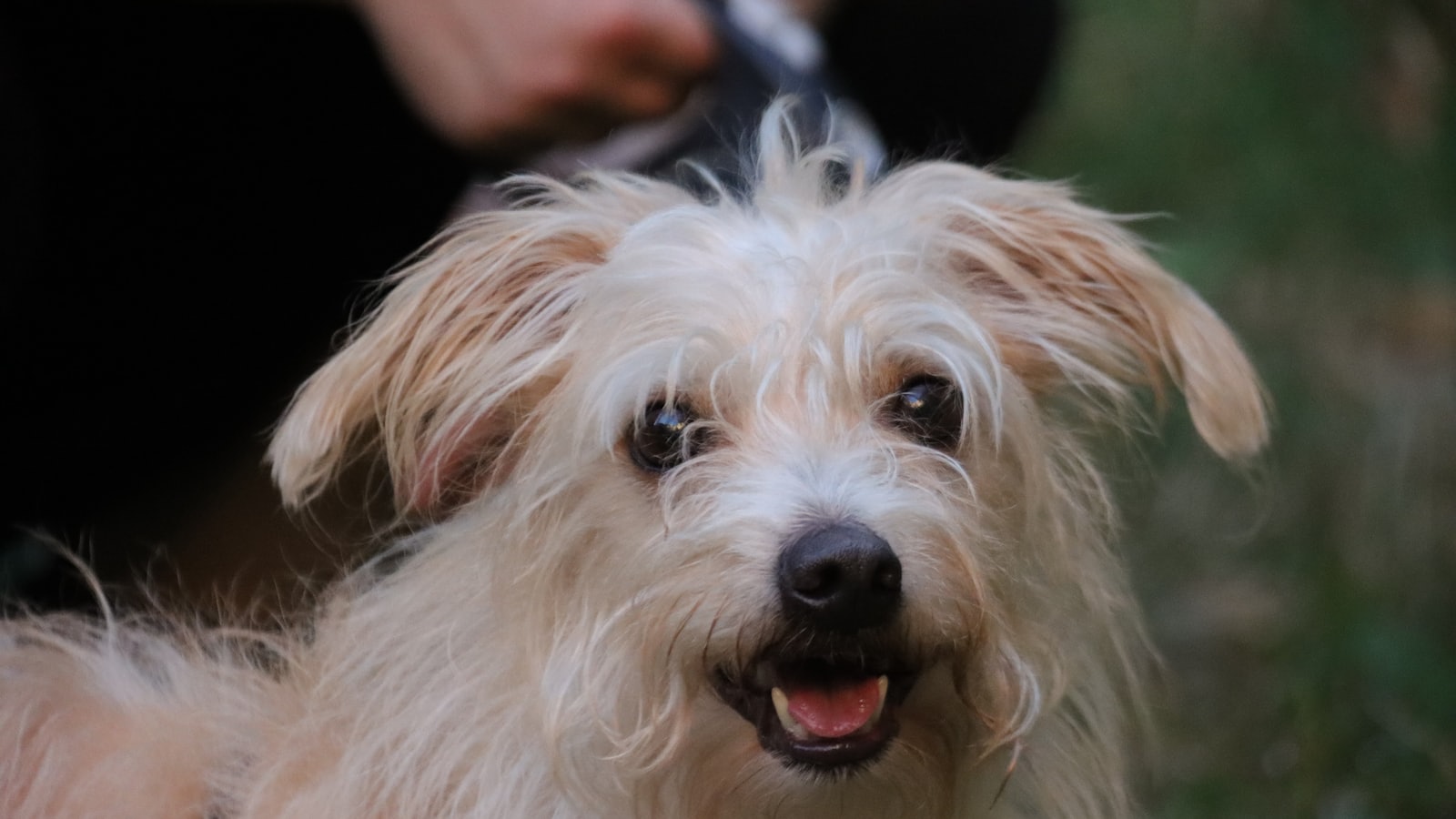
Here's a scene every emergency vet knows: a sweet, gentle, never-bitten-anyone dog, in terrible pain from a car strike, biting the owner trying to help — because pain rewrites every dog's rules. Now the counter-scene: the dog whose owner conditioned a basket muzzle years ago, muzzled calmly in thirty seconds, treated immediately. Muzzle training is first-aid equipment for the mouth — and the stigma that keeps owners from training it is costing dogs treatment time exactly when they can least afford it.
A muzzle-trained dog isn't a dangerous dog. It's a dog whose owner planned for the day pain makes every dog dangerous.
📋 Quick Read
- The case is universal: injured and panicked dogs bite — including yours — and emergency handling, vet procedures, and grooming crises all go better for a dog with happy muzzle skills already installed.
- The equipment matters: basket muzzles (room to pant, drink, and take treats) are the training and safety standard — the fabric sleeves that clamp mouths shut are brief-restraint tools only, dangerous for anything longer (dogs cool by panting).
- The conditioning is pure cooperative care: weeks of treats-in-the-basket before it ever fastens — a dog who dives nose-first into their muzzle has a skill, not a punishment.
Choose the equipment (basket, fitted, ready)
Buy a basket muzzle — vinyl (Baskerville-style), biothane, or wire by size and strength — fitted so the dog can pant fully open-mouthed inside it (the pant test is the fit test), drink, and receive treats through the gaps, with secure straps that can't be pawed off. Skip for training purposes: the fabric sleeve muzzles (grooming tools for minutes-long procedures only — they block panting, which blocks cooling, which makes them genuinely dangerous for walks or stress or heat), and anything marketed as a bark-stopper. Measure per the maker's chart (snout length and circumference), expect to try two sizes, and stage it where the first-aid kit lives — because that's the drawer it conceptually belongs to.

The conditioning ladder (weeks, happily)
Run it like the handling lesson, because it IS the handling lesson: Step one, the muzzle appears and treats rain — then it vanishes (days of this; the object becomes a treat predictor). Step two, treats served IN the basket held in your hand — the dog volunteers their nose in to eat, over and over (the muzzle-targeting game; most dogs start shoving their face in when it appears — that enthusiasm is the product). Step three, duration: nose stays in for one second before the treat, then three, then ten — cheese-spread painted inside buys long, happy residencies. Step four, the strap: fastened for a second and immediately paid-and-released, then longer, then worn through a treat-scatter, a game, a short walk. Every step opt-in, every session short, any hesitation meaning a rung back — the cooperative-care rules verbatim. The finish line: a dog who sees the muzzle and dives in nose-first, wearing it with the emotional temperature of a collar.
Deploy, maintain, and wear the stigma proudly
Once conditioned, keep the skill funded: a happy muzzle session monthly (treat-scatter wears, the occasional muzzled walk), the muzzle along for vet visits and grooming as a just-in-case (staff will thank you — ask them to feed treats through it), and immediate deployment for the real cases: injury handling (the first-aid lesson's transport, now bite-safe), the reactive dog's training sessions (muzzle safety is what lets many behavior-modification protocols run at all — ask any behaviorist), the scavenger's off-leash windows, and travel where regulations require it. And handle the sidewalk stigma with the truth: a muzzled dog in public is a dog whose owner did MORE training, not less — the muzzle-savvy community's line is worth adopting: every dog has a bite threshold; the prepared owner just refuses to pretend otherwise. The gear says nothing about the dog except that somebody plans ahead.
🗓 This Week's Plan
- Days 1–2: Buy the basket (pant-test fit); stage it with the first-aid kit; start the treat-rain appearances.
- Days 3–5: Treats-in-the-basket sessions — build toward the voluntary dive.
- Days 6–7: First duration reps with cheese payload; log the sessions; no strap until the dive is eager.
Start the happy-muzzle ladder in Pak Social
One basket, one treat rain, one eventual eager dive. The stigma was always backwards — the muzzle-trained dog is the one whose owner loved them enough to plan.
Get Pak Social — Free ➡️ Up nextVet-Visit Anxiety: Cooperative Care Basics5 min read›