Intro to Dog Agility
Tunnels, jumps, and weave poles look intimidating — but agility starts with games any dog and owner can play.
You've seen it: dogs flying through tunnels, sailing over jumps, weaving through poles at full tilt while their handler runs alongside. Agility looks like something for elite athletes and border collies — but it starts far more humbly, with focus games and a jump bar on the ground, and it's one of the most rewarding activities you and your dog can share. It builds teamwork, burns serious physical and mental energy, and, done right, is pure joy. Here's how to dip a toe in.
Agility isn't about the fancy course. It's about you and your dog learning to move as a team.
📋 Quick Read
- Agility builds a powerful handler-dog bond and burns physical and mental energy at once — a great outlet for high-drive dogs.
- You start with foundations — focus, targeting, and low, safe obstacles — not a full course, and never high-impact work on a young dog's growing joints.
- Almost any dog can play a beginner version; you don't need to compete, and you can start in your living room or backyard.
It starts with focus, not flips
Before any equipment, agility is built on foundation skills: your dog paying attention to you amid excitement, targeting (touching a hand or target with their nose or paw), and happily following your movement. These are the real building blocks — a dog who'll focus on you and follow a hand cue is already doing beginner agility. You can teach all of it with treats and games in your living room, long before a single jump enters the picture.
Add obstacles low and slow
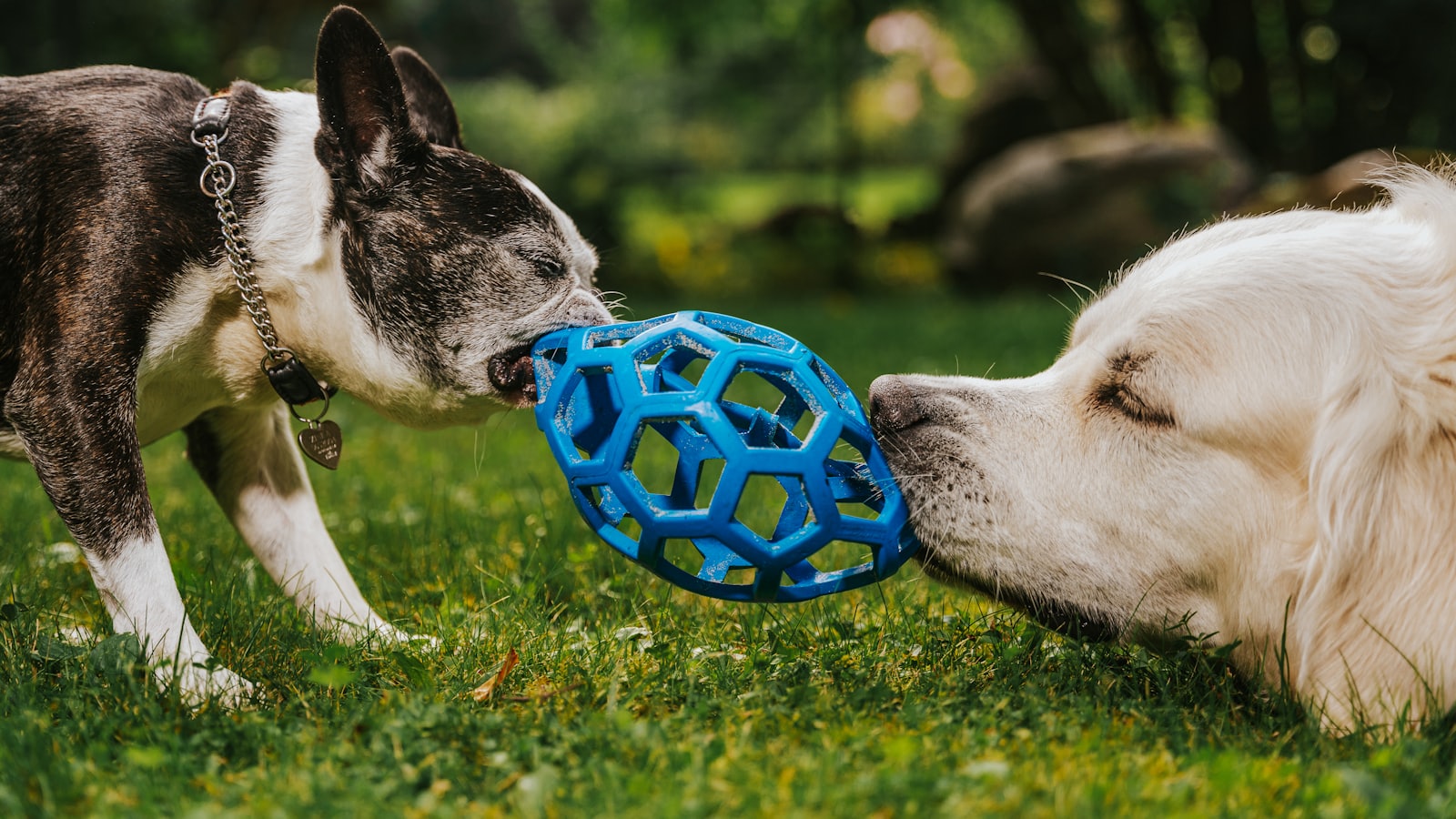
Once focus and targeting are solid, introduce obstacles at their easiest, safest settings: a jump bar on the ground to walk over, a collapsed or short tunnel to run through, targets to send your dog to. Reward generously and let your dog succeed at each piece before linking two or three together into tiny sequences. There's no rush — the fun is in the building, and a confident dog who loves the game will progress faster than one who's been pushed.
Keep it a game you both love
Agility should feel like play, because the joy is what makes it work. Keep sessions short and upbeat, celebrate effort, and never drill the fun out of it. You can absolutely stay casual — a backyard jump and tunnel deliver most of the benefit — or, if you both catch the bug, look into a local beginner class where an instructor can coach your handling and introduce equipment safely. Either way, you're building teamwork, fitness, and a seriously happy dog.
🗓 This Week's Plan
- Days 1–2: Play focus games — reward your dog for checking in with you amid mild distraction.
- Days 3–4: Teach a nose-touch hand target and use it to send your dog a few feet and back.
- Days 5–7: Add a ground-level jump bar or a short tunnel, keep it low-impact and fun, and log the sessions.
Track your agility journey in Pak Social
Log your foundation games and sessions and watch the teamwork grow. Channel your dog's energy into a game you'll both love.
Get Pak Social — Free ➡️ Up nextCanine Fitness and Conditioning3 min read›