Canine Fitness and Conditioning
Strength, balance, and stamina aren't just for sport dogs — they keep every dog healthier, longer, and injury-free.
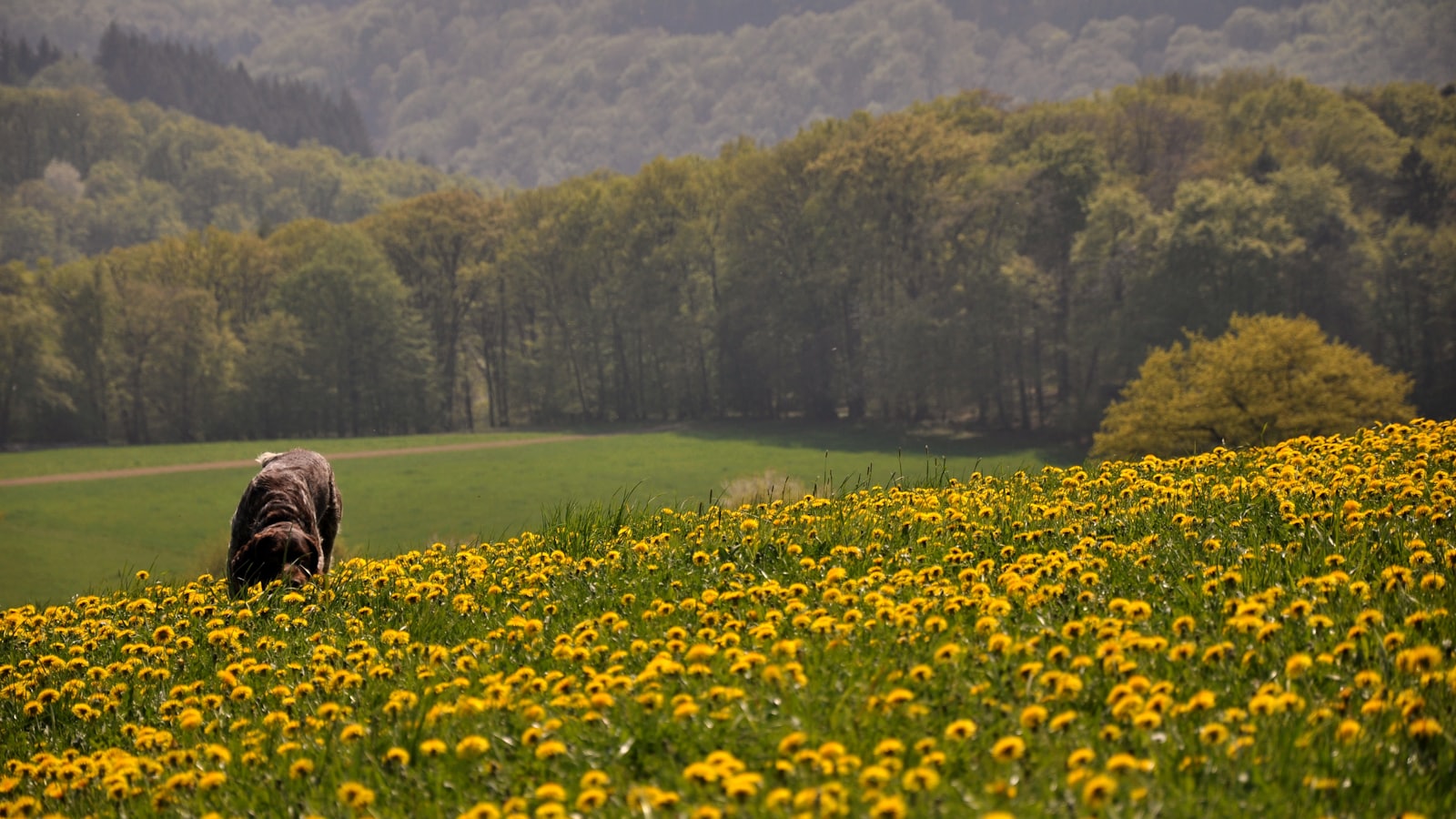
We think about walking our dogs, but rarely about conditioning them — and there's a real difference. Just like us, dogs benefit from deliberate work on strength, balance, and stamina, and it pays off in fewer injuries, better mobility into old age, healthier weight, and a calmer, more confident dog. You don't need a gym or a sport career; a few simple exercises, built up gradually, can add years of easy movement to your dog's life. Here's how to start safely.
A walk keeps a dog exercised. Conditioning keeps a dog capable — for years longer.
📋 Quick Read
- Conditioning builds strength, balance, core stability, and stamina — which protects joints, prevents injuries, and supports healthy aging.
- It's built progressively, like any fitness plan: start easy, add difficulty slowly, and never do high-impact work on a young or unconditioned dog.
- Get your vet's okay first — especially for puppies, seniors, or any dog with a health issue — then build a little at a time.
Start with a green light and a warm-up
Before any conditioning program, get your vet's okay — this matters most for puppies (whose growth plates are still open), seniors, and any dog with a joint or health issue. Then treat your dog like the athlete they're becoming: begin every session with a few minutes of easy movement to warm the muscles, and finish with a gentle cool-down. Jumping a cold, unconditioned dog into hard work is how injuries happen; a warm-up is non-negotiable.
Build the pillars — gently
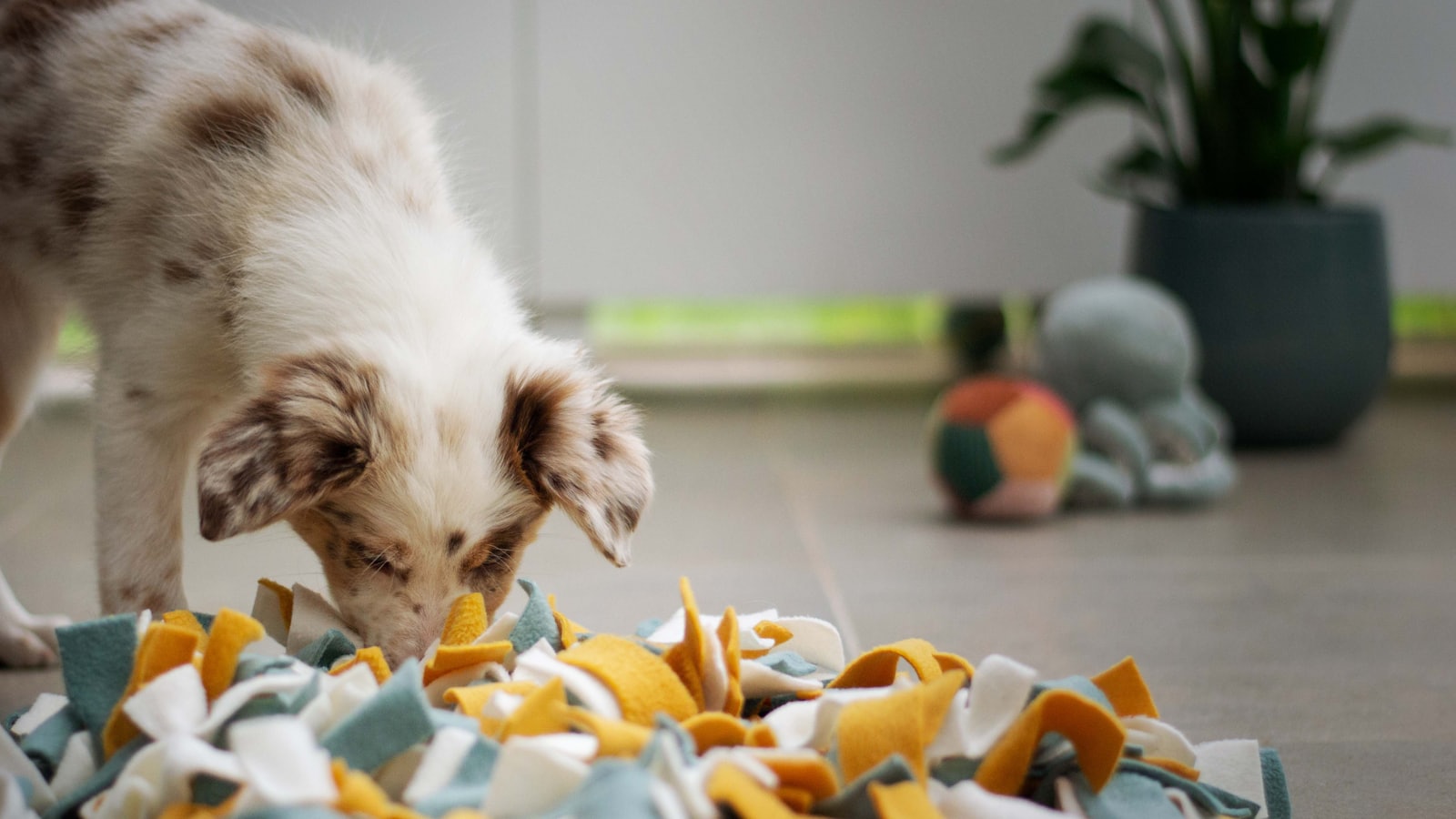
Good conditioning works a few pillars: cardiovascular stamina (steady walks building to longer or brisker outings), strength (controlled work like sit-to-stands, gentle hills, and careful play), balance and core (standing or shifting weight on a stable, non-slip surface, or simple wobble-cushion work), and body awareness (stepping over low poles, backing up). Keep everything controlled and low-impact — slow, deliberate reps build more useful strength than frantic ones, and they're far safer for joints.
Progress in small steps
Add difficulty gradually: a little more duration, a little more challenge, one new exercise at a time — and only once your dog is comfortable at the current level. Consistency beats intensity, so short, regular sessions win. Over weeks you'll see a dog who moves better, holds a healthier weight, tires appropriately, and carries themselves with more confidence. Conditioning is a long game that quietly pays off as a dog who stays capable and comfortable well into their senior years.
🗓 This Week's Plan
- Days 1–2: Get your vet's okay and add a proper warm-up and cool-down to your dog's activity.
- Days 3–4: Introduce one balance or core exercise on a non-slip surface, keeping it slow and controlled.
- Days 5–7: Add a gentle strength move (sit-to-stands, easy hills) and log the sessions to track consistency.
Build your dog's fitness in Pak Social
Log your walks and conditioning sessions and watch stamina grow. Keep your dog strong, balanced, and capable for years to come.
Get Pak Social — Free ➡️ Up nextRally and Obedience for Fun5 min read›