Enrichment for Senior Dogs
Slowing down isn't the same as switching off. The right mental enrichment keeps an aging dog's mind sharp, mood bright, and days full — no marathon required.

The gray muzzle, the longer naps, the shorter walks — it's tempting to read your senior dog's slowdown as a signal to let them rest and leave them be. That's a loving instinct with an unfortunate side effect: an under-stimulated senior mind dims faster. Aging bodies need gentler activity, but aging brains need MORE deliberate engagement, not less — because for the older dog, enrichment isn't just fun, it's cognitive maintenance, and it's some of the best medicine you can give.
A senior dog's body says slow down. Their brain says keep me busy — just gently. Both are right.
📋 Quick Read
- Mental stimulation is protective: sniff walks, food puzzles, gentle training, and novel-but-easy experiences keep a senior mind engaged and may help buffer age-related cognitive decline — enrichment as brain exercise.
- The gear shifts, not stops: swap intensity for engagement — scent games over sprints, softer puzzles, shorter-more-frequent sessions, and adaptations for stiff joints and dimming senses.
- Enrichment doubles as a health monitor: sudden loss of interest, new confusion, or difficulty with once-easy puzzles can be early signs of pain or cognitive dysfunction worth a vet visit.
The senior enrichment menu
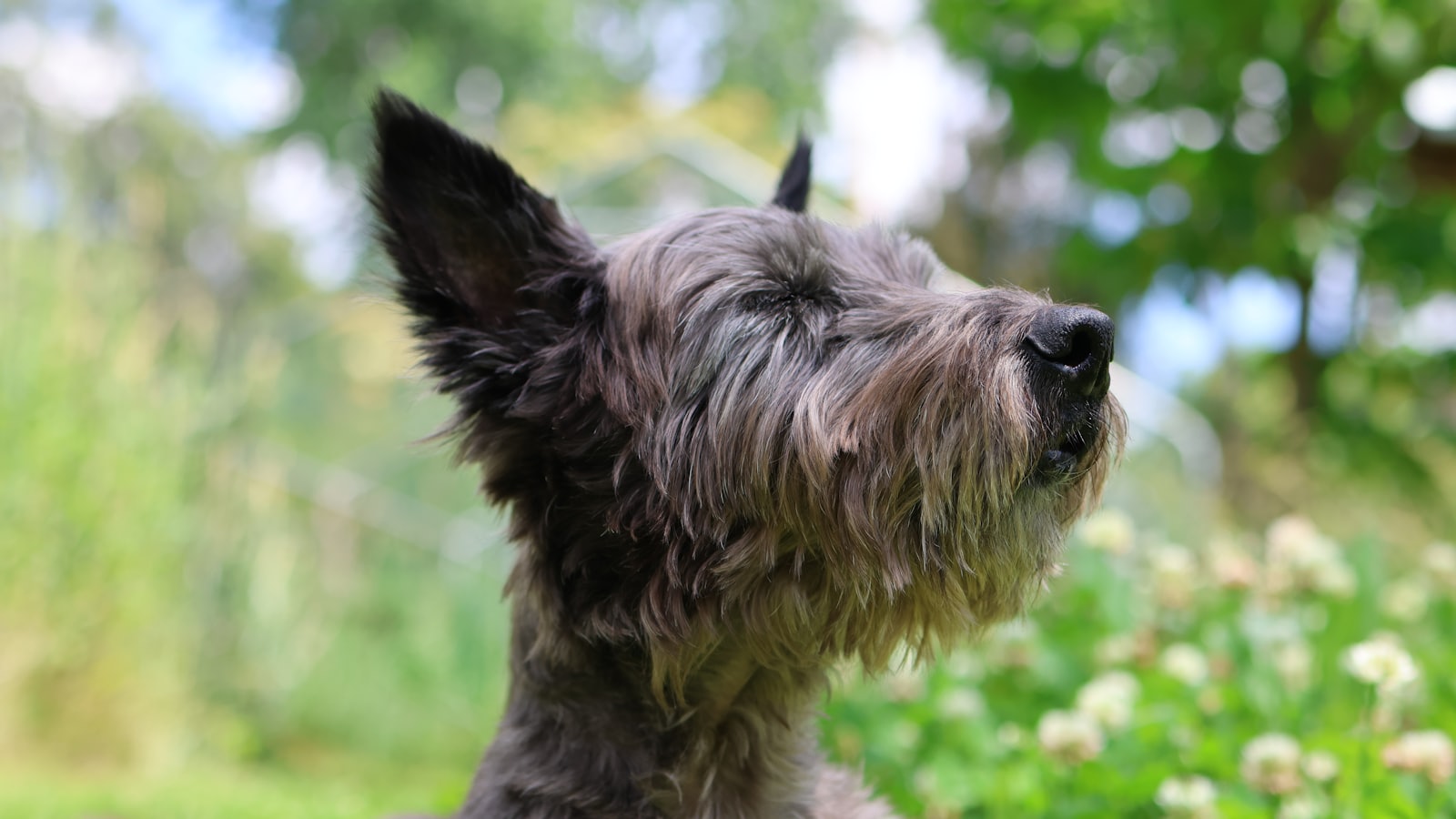
Lead with the nose — it's the last sense to fade and the richest channel for an aging dog: slow sniffari walks where they set the pace and read every scent (more mentally tiring than a brisk march, and joint-friendly), scatter feeding and snuffle mats, gentle 'find it' games with treats hidden around a room. Add low-impact problem-solving: food puzzles at easy-to-moderate settings, lick mats for calm engagement, food-dispensing toys sized to their ability. Keep training alive — teaching a senior a new easy trick is prime brain exercise with near-zero physical cost, and positive reinforcement is deeply satisfying to older dogs (it also keeps the bond and communication current). And don't drop novelty: a new safe route, a different room to explore, a visit somewhere calm — gentle new experiences keep the world interesting when the physical territory shrinks.
Adapt to the aging body
Meet the physical realities so enrichment stays joyful, not frustrating. Stiff joints: floor-level puzzles (no jumping or reaching), non-slip surfaces, shorter more frequent sessions to avoid fatigue, softer chews for aging teeth. Fading senses: for dimming vision, keep furniture and puzzle locations consistent and lean on scent and touch; for failing hearing, shift to hand signals and vibration cues (a gentle floor tap). Lower stamina: five-to-ten-minute enrichment bouts scattered through the day beat one long session. And calibrate difficulty downward as needed — a puzzle that's now too hard breeds frustration, so make wins accessible; the goal is confident success and engagement, not challenge for its own sake. Every adaptation says the same thing: keep the mind fed while respecting what the body can no longer give.
Enrichment as the senior's early-warning system
Because you're regularly inviting your senior to engage, enrichment becomes a sensitive monitor for the changes that matter. Cognitive dysfunction often shows first as subtle enrichment failures — the puzzle that used to take two minutes now baffles them, the sniff game they've lost the thread of, disorientation mid-activity — and catching these early opens the door to veterinary support (diet, supplements, medication, and environmental strategies can genuinely help, especially when started early). Pain shows up as withdrawal from physical enrichment they used to enjoy. So keep the enrichment log alongside the health records and body-condition tracking: for a senior, the trend in engagement is as informative as the trend on the scale, and it's often the first thing to move. Enrichment keeps the good days good — and tells you early when something needs attention.
🚨 Call Your Vet ASAP If…
- Disorientation, getting 'stuck' in corners, staring at walls, or not recognizing familiar people
- New nighttime pacing, restlessness, or a reversed sleep-wake cycle
- House-soiling in a previously reliable dog, or forgetting known routines
- Sudden loss of interest in food, play, or favorite activities — possible pain or cognitive decline; talk to your vet
This article is for education — it isn't a substitute for veterinary care.
- Slow sniffari walks at the dog's pace
- Scatter feeding or a snuffle mat
- Easy-to-moderate food puzzles, floor level
- Gentle new-trick training in short sessions
- Novelty: new safe routes or calm outings
- Adaptations for joints, vision, or hearing
- Engagement logged as a health signal
🗓 This Week's Plan
- Days 1–2: Swap one brisk walk for a slow sniffari; add a floor-level food puzzle at an easy setting.
- Days 3–5: Start the Gentle-New-Trick Week in five-minute positive sessions; note how readily they learn.
- Days 6–7: Adapt one activity to their body (joints, senses) and start logging engagement as a tracked signal.
Build the senior enrichment kit in Pak Social
One slow sniffari, one easy puzzle, one gentle new trick this week. Their body is slowing — but their mind is still hungry, and feeding it is some of the best medicine you've got.
Get Pak Social — Free ➡️ Up nextSenior Dog Care: What Changes After 73 min read›