Beach Day Safety and Fun: A Complete Guide
Sand, waves, and a joyful splashing dog — beach days are the best. But the beach has hidden dangers: heat, saltwater, strong currents, and hot sand. Here's how to give your dog a perfect beach day while dodging the real hazards.
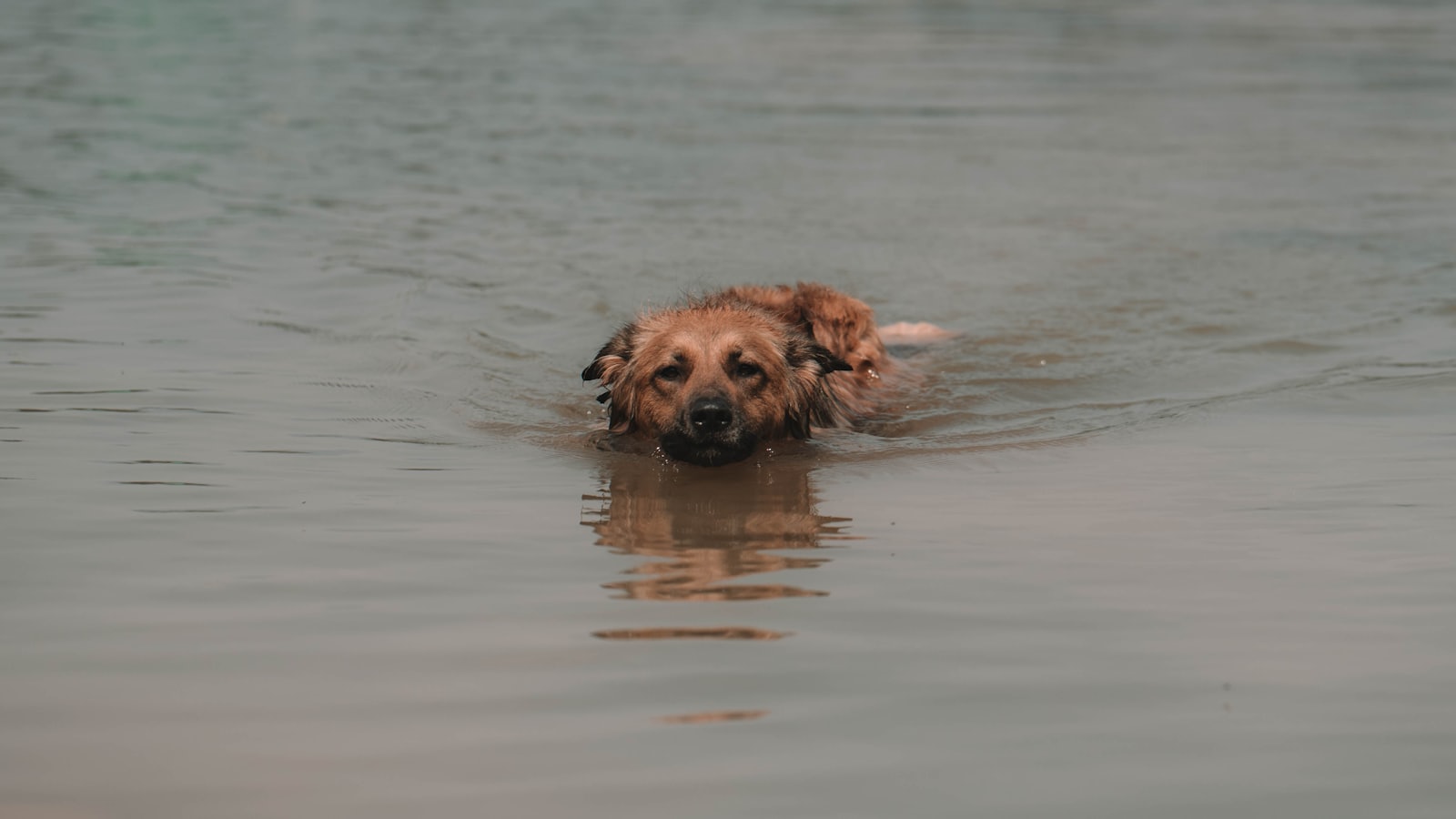
Few things beat a beach day with a dog — the running, the digging, the splashing, the sheer joy of it. But the beach hides real dangers that catch owners off guard: drinking saltwater can make a dog seriously ill, strong currents and waves can overwhelm even good swimmers, hot sand burns paws, and sun and heat cause overheating fast. None of it is hard to manage once you know about it — bring fresh water and shade, watch the water conditions, protect the paws, and keep a close eye on your dog, and the beach becomes the best day of the summer.
The beach is joy with hidden hazards — never let your dog drink saltwater, respect the currents, protect the paws, and bring shade and fresh water.
📋 Quick Read
- The big hidden danger: drinking saltwater can cause 'saltwater poisoning' (serious illness) — bring plenty of fresh water and offer it often to prevent it.
- The water: currents, waves, and cold water can overwhelm even strong swimmers; use a canine life vest, watch conditions, and never force a hesitant dog in.
- The rest: hot sand burns paws, sun and heat cause overheating, and rinse off saltwater and sand afterward; also check that the beach allows dogs and its leash rules.
The hazards owners don't see coming
The beach's biggest danger is the one nobody warns you about: saltwater. A dog that gulps seawater while splashing and retrieving can take in enough salt to cause 'saltwater poisoning,' with vomiting, diarrhea, and, in serious cases, real illness. The fix is simple — bring plenty of fresh water and offer it frequently, so your dog stays hydrated and isn't tempted to drink from the ocean. Discourage repeated gulping during water play, and take breaks. This one bit of knowledge prevents the most common serious beach mishap.
The water itself is the second hazard. Waves, currents, rip tides, and cold water can overwhelm even a confident swimmer, so consider a canine life vest (essential for weak swimmers and open water), watch the conditions before letting your dog in, and stay close. As with any water introduction, never force a hesitant dog into the surf — let it choose to go in, and build confidence gradually. A dog that respects the water and wears a vest in rough conditions is a dog that comes home safe.

Heat, hot sand, and the after-care
Heat and sun are serious on a beach, where there's often little natural shade. Dogs overheat fast, so bring your own shade (an umbrella or pop-up tent), offer fresh water constantly, favor cooler parts of the day, and watch for heavy labored panting or slowing that signals overheating — a real emergency. Light-skinned, thin-coated, or hairless dogs can sunburn, especially on the nose and belly. And hot sand, like hot pavement, can burn paw pads, so test it with your hand and give your dog shaded or wet areas to stand and walk on.
A few final safeguards: confirm the beach allows dogs and check leash rules (many beaches restrict dogs by season, area, or time of day), scan for hazards in the sand like broken glass, fishing hooks, or dead sea life, and discourage your dog from eating sand, which can cause a dangerous intestinal blockage if ingested in quantity. Afterward, rinse the saltwater and sand thoroughly off your dog's coat and paws to prevent irritation, and dry the ears to help avoid infections. Manage the heat, protect the paws, mind the rules and hazards, and rinse off after, and the beach delivers one of the happiest days your dog will ever have.
- Plenty of fresh water, offered often (no drinking seawater)
- A canine life vest for weak swimmers or rough water
- Water conditions watched; hesitant dog never forced in
- Shade brought and heat/overheating watched for
- Hot sand tested; paws protected
- Beach rules checked; dog rinsed off afterward
🗓 This Week's Plan
- Days 1–2: Confirm a dog-friendly beach and its rules, and gather your kit — fresh water, bowl, shade, life vest, towel.
- Days 3–5: If your dog is new to water, build confidence gradually and never force the surf; fit the life vest.
- Days 6–7: Plan the beach day for a cooler time, offer fresh water constantly, and rinse the salt and sand off after.
Plan a beach day with Pak Social
Fresh water, water safety, shade, and paw protection — the beach's hidden hazards, handled. Pak Social keeps your dog's beach day pure joy.
Get Pak Social — Free ➡️ Up nextRoad-Trip Checklist for Dogs: Travel Made Easy5 min read›