Backyard Sports Setups: Big Fun in a Small Space
You don't need a club or an arena to give your dog a real physical and mental workout. With a few cheap, DIY-friendly setups, your backyard (or living room) becomes an agility course, a scent field, and a flyball lane.
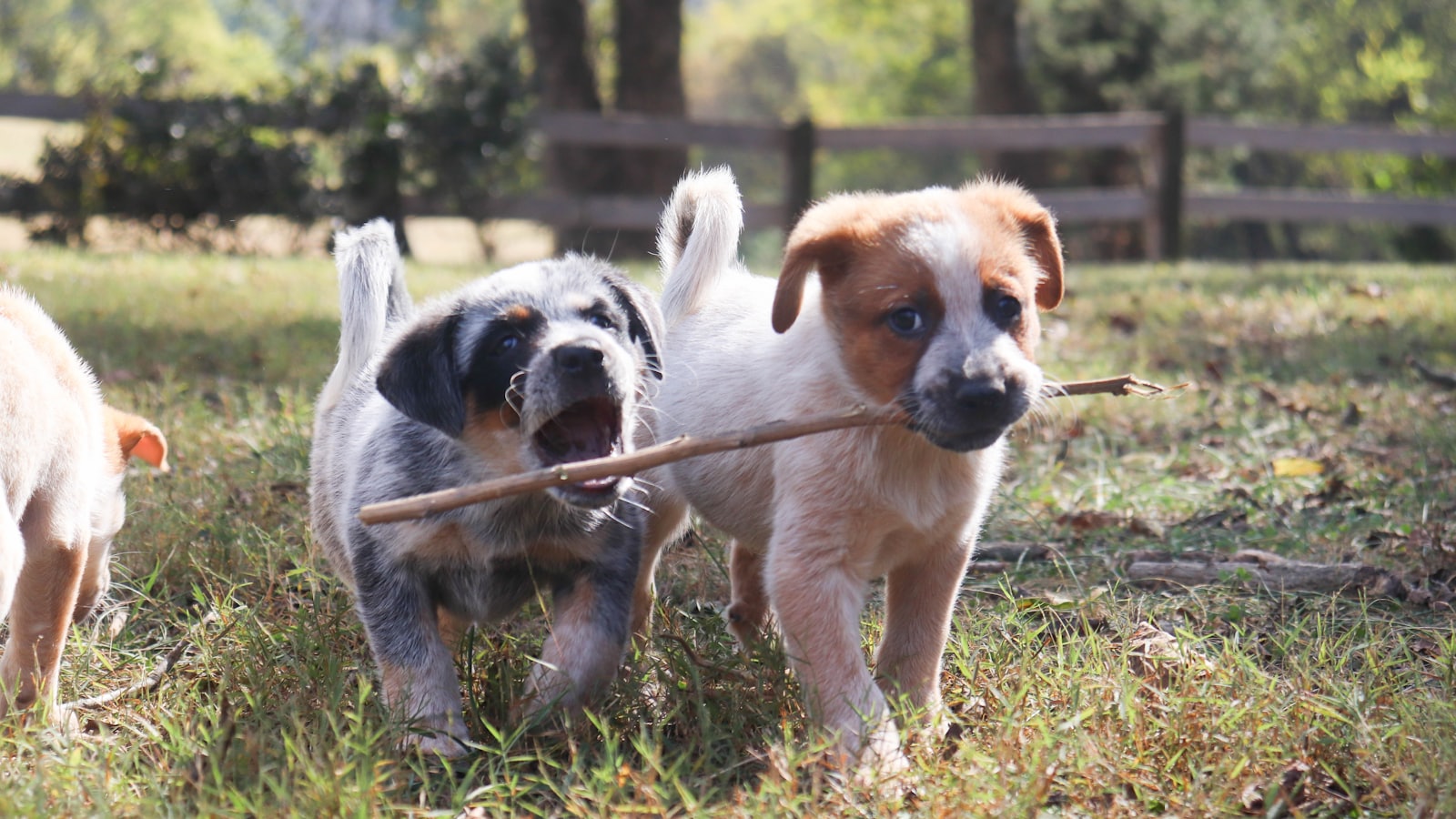
Dog sports are wonderful, but you don't need a formal facility to capture most of their benefit — a backyard, a garage, or even a hallway can host a surprising amount of it. With a handful of inexpensive, DIY-friendly setups, you can give your dog agility practice, scent games, fetch-and-flyball fun, and puzzle work at home, any day of the week. The goal isn't competition-grade equipment; it's a rotating menu of low-cost activities that work your dog's body and brain, on your schedule, in the space you already have.
Your backyard is a dog gym in disguise — a few cheap DIY setups deliver most of the body-and-brain benefit of formal sports, on your schedule.
📋 Quick Read
- The idea: recreate the core of agility, scent work, and flyball at home with cheap, DIY equipment — no facility required.
- The payoff: real physical exercise plus mental stimulation, available any day, in a backyard, garage, or even indoors for small spaces.
- The key: rotate a menu of simple setups (jumps, weave poles, tunnels, scent games, fetch) to keep it novel, and keep everything safe and low-impact.
Recreate the sports with cheap, simple gear
You can build the core of several dog sports for almost nothing. For agility: low jumps from PVC pipe, broomsticks on buckets, or pool noodles; weave poles from garden stakes or plungers in a line; a tunnel from a kids' play tunnel or big boxes; and a 'pause table' from a low sturdy platform. For scent work: scatter-feed kibble in the grass, hide treats around the yard for a 'find it' game, or teach your dog to find a specific scented item. For fetch-and-flyball fun: a tennis ball, a wall or a helper, and a jump or two to run over. For brains: muffin-tin puzzles, snuffle mats, and frozen stuffed toys.
None of this needs to be pretty or regulation. The point is to give your dog varied ways to move and think, and to have them ready to go in the space you already have. Ten minutes of backyard weave poles and a scent game does more for most dogs than another lap around the block — and it's a great way to discover what your dog loves before committing to a formal class.
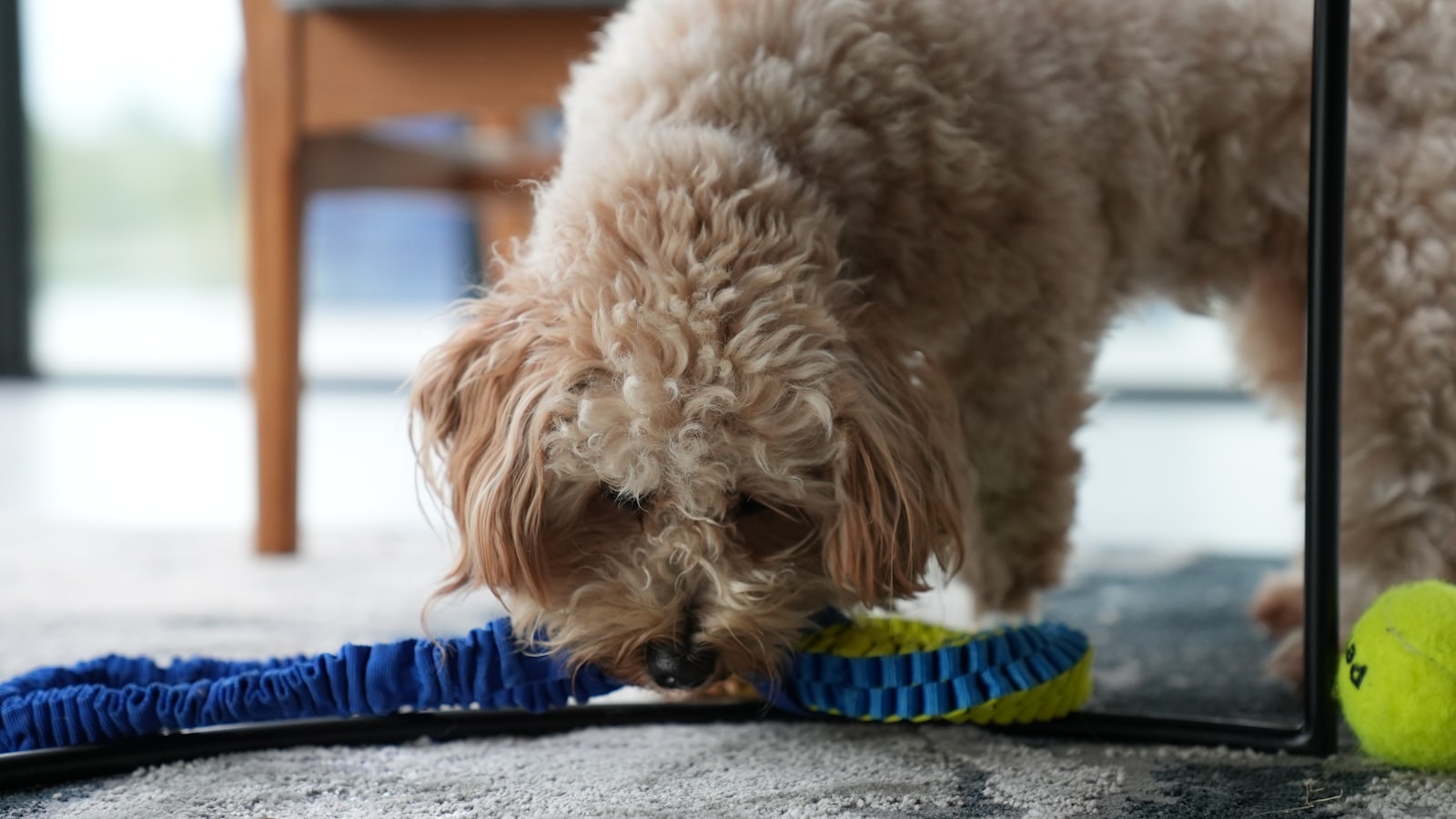
Rotate for novelty, and keep it safe and sized right
The secret to backyard sports is rotation. Dogs habituate to the same activity, so keep a menu and mix it up — agility jumps one day, a scent-work hunt the next, fetch-and-recall games, puzzle feeders, trick training. Novelty is enriching in itself, and rotating keeps both of you from getting bored. You don't need much time; short, frequent, varied sessions beat one long repetitive one, and they slot easily into a normal day.
Keep everything safe and matched to your dog. Set jumps low to protect joints — especially for puppies (whose growth plates need protecting), seniors, and heavy or long-backed breeds — and avoid repetitive high-impact activity for dogs that aren't built for it. Make sure setups are stable and won't tip or trap, use soft or non-slip footing where you can, and warm your dog up before anything athletic. For small spaces, lean on indoor-friendly options: scent games, tug, puzzles, and trick training all work in a living room. Match the activity to your dog's size, age, and fitness, rotate for novelty, and your backyard becomes a genuine, always-available dog gym.
- Low jumps (PVC, broomsticks, or pool noodles on supports)
- Weave poles (garden stakes or a pole set)
- A tunnel (kids' play tunnel or sturdy boxes)
- A scent game (scatter-feed or 'find it' hides)
- Fetch gear (a favorite ball and open space)
- Brain puzzles (muffin tin, snuffle mat, frozen stuffed toy)
🗓 This Week's Plan
- Days 1–2: Build two cheap setups — say, low jumps and a scent-game hunt — and try short sessions.
- Days 3–5: Add a third (weave poles or a tunnel) and start rotating between them to keep it novel.
- Days 6–7: Note which activities your dog loves most — that's your clue to which formal sport might be its thing.
Set up backyard sports with Pak Social
Recreate agility, scent work, and fetch fun at home with cheap DIY gear, rotate for novelty, and keep it safe. Pak Social keeps the menu fresh and the sessions logged.
Get Pak Social — Free ➡️ Up nextWeekend Adventure Ideas: Beyond the Backyard5 min read›