Training Non-Sporting & Designer Breeds: The Group Playbook
The wonderfully mixed bag — Bulldogs, Poodles, Dalmatians, Shiba Inus, plus the doodles and designer crosses. There's no single 'group instinct' here, so the rule is different: identify what your specific dog was actually bred from, and train to that.
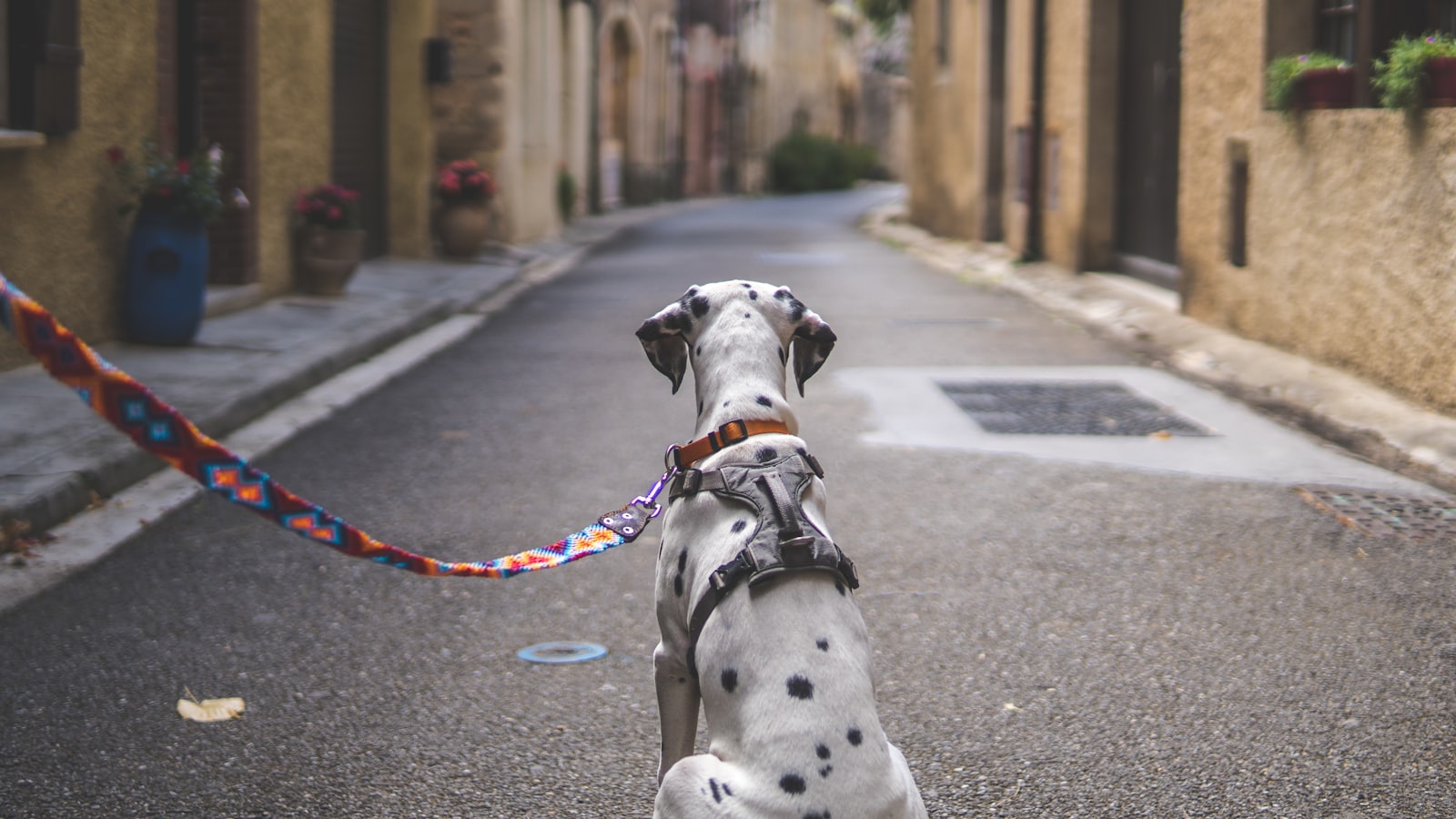
The non-sporting group is less a category than a catch-all — it holds breeds too varied to fit anywhere else, from the mellow Bulldog to the brilliant Poodle to the cat-like Shiba Inu — and the modern designer crosses (Goldendoodle, Labradoodle, Bernedoodle, Cockapoo, and the rest) sit right alongside them. The one rule that ties this group together is that there is no single rule: you can't train 'to the group,' so you train to the individual dog's actual heritage. A Poodle is a whip-smart retriever in a fancy coat. A doodle is whatever its two parent breeds are, blended. A Shiba is an independent primitive breed. Figure out what's really under the hood, and the right plan follows.
This group has no shared instinct — so stop training the label and start training the lineage. Know what your dog was actually bred from, and the plan writes itself.
📋 Quick Read
- The shared trait: variety. This group and the designer crosses span every temperament, so generic 'non-sporting' advice doesn't exist — the work is to identify each dog's real drives.
- For designer crosses (doodles etc.): look at both parent breeds. A Goldendoodle carries retriever biddability and energy; an Aussiedoodle adds herding drive; a Cavapoo leans companion — the mix, not the cute name, tells you what to train for.
- For the established non-sporting breeds: research the individual breed. Poodles are elite-trainable; Bulldogs are mellow but stubborn and heat-limited; Dalmatians are high-energy runners; Shiba Inus are independent and cat-like. One size fits none.
No group instinct — so identify what your dog really is
The established non-sporting breeds — Poodle, Bulldog, French Bulldog, Dalmatian, Shiba Inu, Chow Chow, Shar-Pei, Boston Terrier, Bichon Frise, Lhasa Apso, Tibetan breeds, Schipperke, American Eskimo, Finnish Spitz — have almost nothing in common with each other. Add the designer crosses (Goldendoodle, Labradoodle, Bernedoodle, Aussiedoodle, Sheepadoodle, Cockapoo, Cavapoo, Maltipoo, Schnoodle, Pomsky) and 'the group' becomes even more scattered. So the first and most important step isn't a technique — it's homework. What is this dog actually descended from, and what were those ancestors bred to do?
That question converts a confusing 'non-sporting' or 'doodle' label into a real training plan. Once you know your dog is essentially a retriever, a companion, a herder, or an independent primitive breed at heart, you borrow the playbook from the appropriate group and adjust for the individual. The mistake is training the label; the fix is training the lineage.
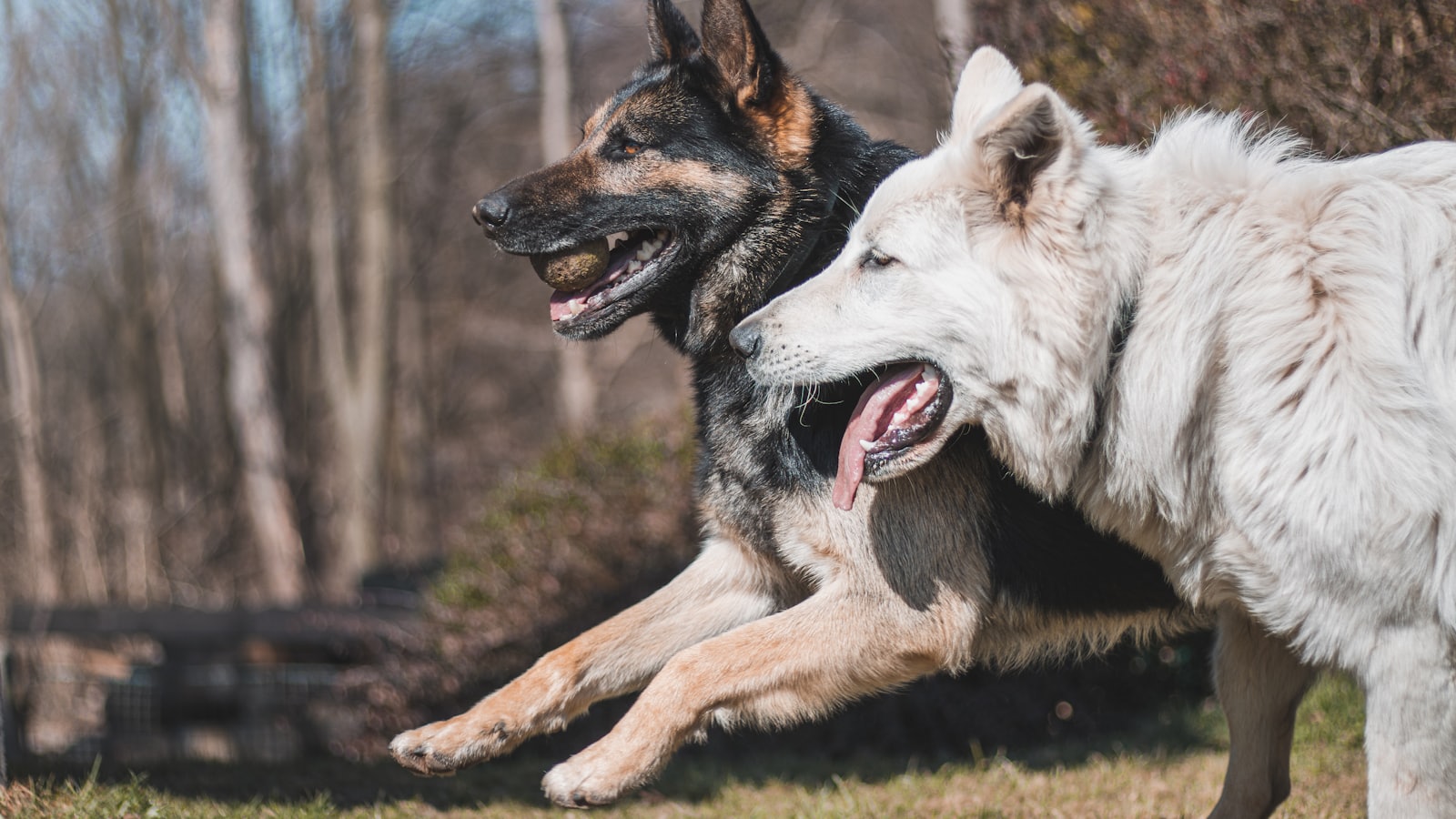
Read the crosses by their parents, and the breeds one at a time
For a designer cross, both parent breeds are the instruction manual. A Goldendoodle or Labradoodle is, at core, a Poodle-plus-retriever: expect intelligence, biddability, real energy, mouthiness, and a coat that demands early, positive grooming-handling training. An Aussiedoodle or Sheepadoodle folds in herding drive and sensitivity — more brain to feed, possible movement-chasing. A Cavapoo, Maltipoo, or Cockapoo leans companion, with the toy-group reminder to train and socialize fully despite the small size. Whatever the cross, the Poodle side usually brings smarts (great) and grooming needs (plan for them), and the recommended methods are the same reward-based training that suits both parents.
For the established breeds, treat each on its own terms. Poodles of every size are elite-trainable and need serious mental work or they invent their own. Bulldogs and Frenchies are lovable and mellow but stubborn and heat-intolerant, so keep sessions short, motivating, cool, and never over-exert them in warmth. Dalmatians are athletes that need substantial exercise. Shiba Inus, Chows, and Shar-Peis are independent and aloof — respect-based training, early socialization, and realistic expectations about their cat-like cooperation. Bostons and Bichons are bright, sensitive companions that thrive on gentle, positive work. Different dogs, different plans — united only by the need to look each one up.
- You know your dog's actual breed heritage or both parent breeds
- Your training plan borrows from the relevant group, not the label
- Exercise matches the true drive (retriever, herder, athlete, etc.)
- Grooming-handling trained early (crucial for Poodle-coated crosses)
- Independent breeds trained with respect-based methods and patience
- Heat-limited breeds (Bulldogs, Frenchies) kept cool and short in sessions
🗓 This Week's Plan
- Days 1–2: Do the homework — identify your dog's real heritage (or both parent breeds for a cross) and what those ancestors were bred to do.
- Days 3–5: Borrow the matching group's playbook and set exercise and enrichment to the true drive, not the label.
- Days 6–7: Handle the specifics — grooming-handling for coated crosses, cool short sessions for flat-faced breeds, respect-based patience for independent ones.
Train your dog in Pak Social
Skip the label, train the lineage. Tell Pak Social your breed or your cross's parent breeds, and get a plan built from what your dog was really bred to do.
Get Pak Social — Free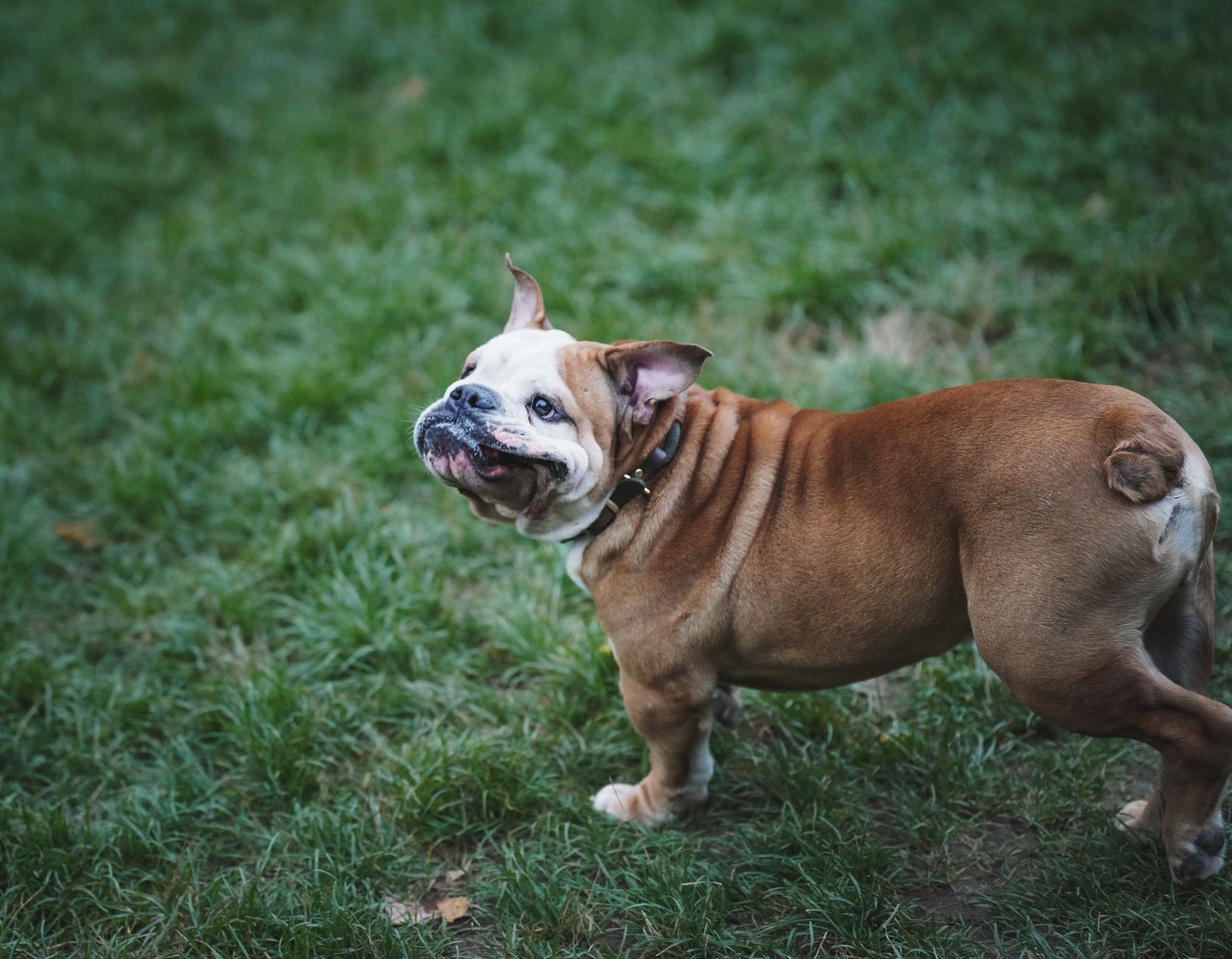 ➡️ Up nextTraining an English Bulldog: Breed-Specific Priorities5 min read›