Training a Rottweiler: Breed-Specific Priorities
Confident, powerful, and deeply loyal — the Rottweiler is a natural guardian who needs early socialization, a calm confident handler, and a job, so their protectiveness becomes discernment, not liability.
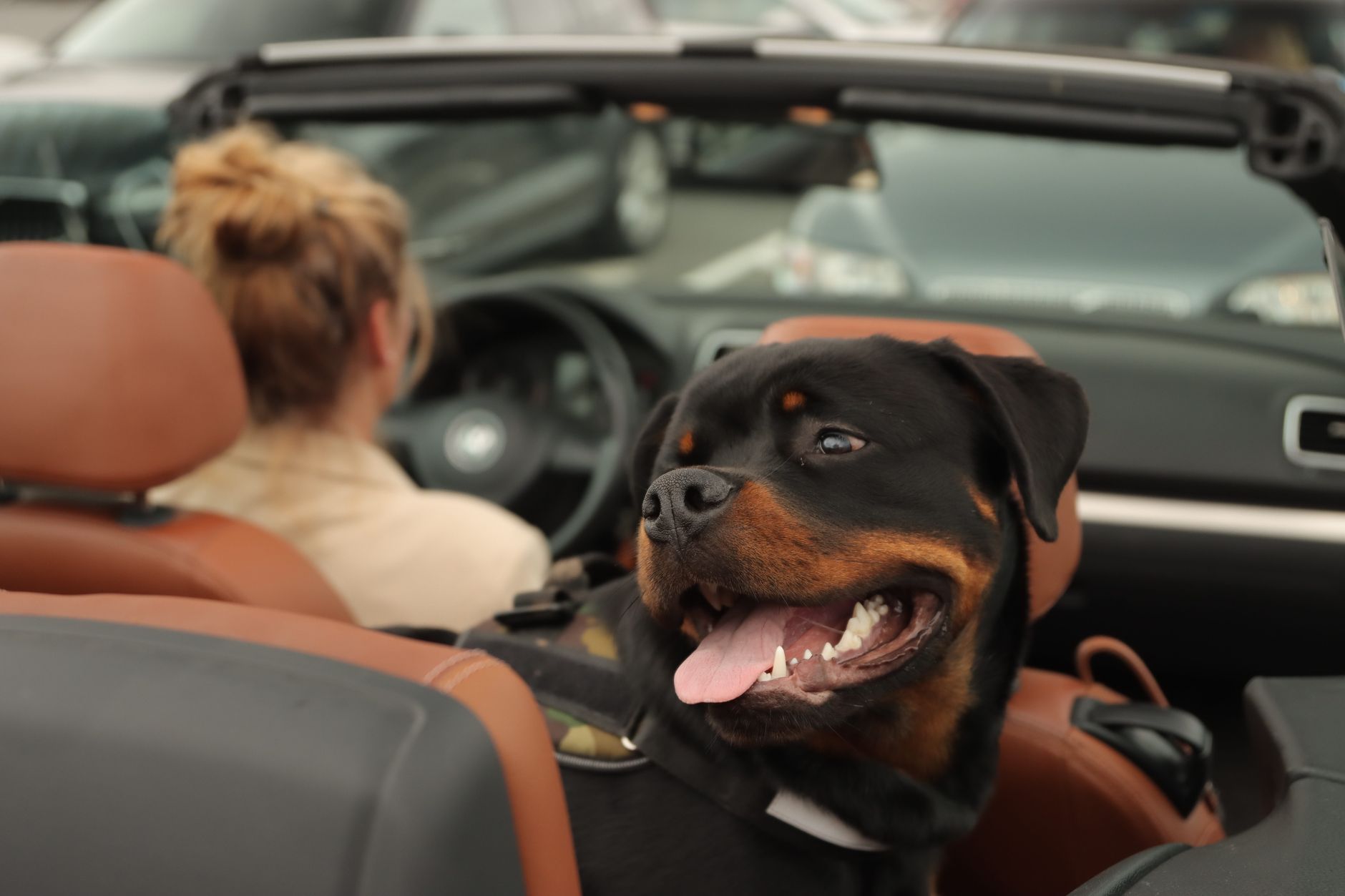
The Rottweiler is a serious dog for a committed owner: a powerful, intelligent, confident guardian bred to work cattle and protect, with a temperament that's calm and devoted at its best and a genuine liability at its worst. The difference is almost entirely made in the first year — through socialization, leadership, and a job — and the breed's size and strength mean the stakes of getting it right are high. A well-raised Rottweiler is a confident, discerning, deeply loyal companion. An under-socialized, under-led one is a large problem.
A Rottweiler's confidence and power are gifts to a prepared owner and hazards to an unprepared one — and the first year decides which you get.
📋 Quick Read
- The wiring: bred as cattle-driving and guardian working dogs — hence the confidence, physical power, intelligence, strong bonds, natural protectiveness, and a real need for early direction and a job.
- Superpowers: intelligent, trainable, loyal, and calm-natured when well-raised — excellent at obedience, sport, and working roles with a committed handler.
- Watch-fors: early extensive socialization is essential to shape the guardian instinct into discernment; they need calm confident leadership (not harshness, not permissiveness); their strength demands foundation manners early; and their size makes any behavior issue high-stakes.
Socialize the guardian and lead with calm confidence
The Rottweiler's protectiveness is a feature that must be shaped early: run the full socialization curriculum extensively during the window and beyond (the checklist and critical-window lessons), with heavy positive exposure to strangers, other dogs, children, and novel situations — you're teaching a naturally protective, confident dog that the world is mostly safe, so their guardian instinct becomes discernment (calm assessment, appropriate response) rather than reactivity or indiscriminate suspicion. This is the highest-return investment you'll make in a Rottweiler, and the window doesn't wait. Pair it with the leadership the breed needs: calm, confident, consistent, fair — a Rottweiler respects and works for a handler who provides clear structure and reward-based direction, and struggles with both permissiveness (a large confident dog without guidance makes their own rules) and harshness (which damages the trust-based relationship and can backfire badly in a powerful guardian). This isn't 'dominance' — the outdated alpha stuff is wrong here as everywhere (the humane-training lessons) — it's the quiet, reliable leadership that a confident dog is happy to defer to precisely because it's trustworthy.
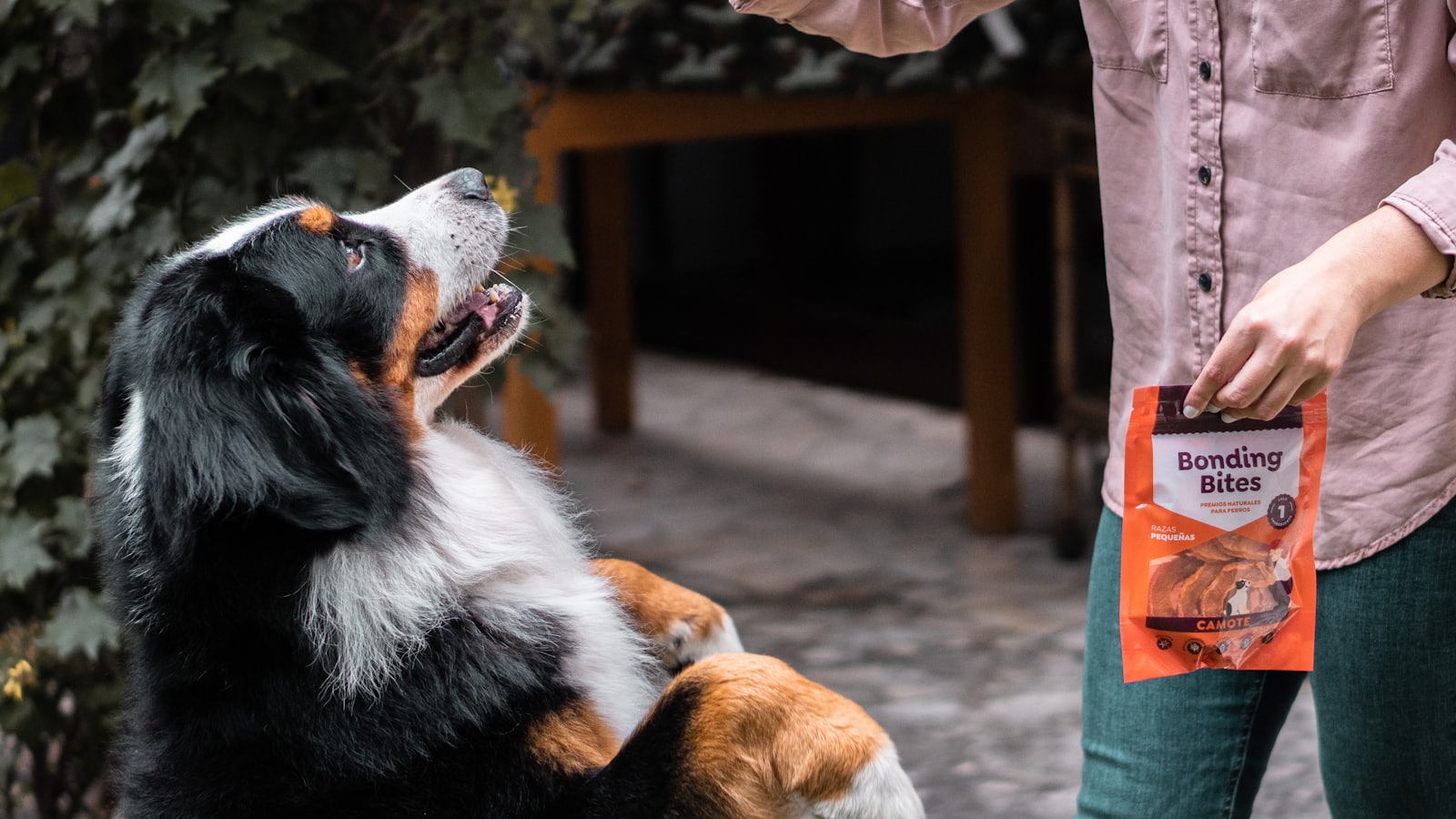
Foundation manners for the power, and a job for the drive
A Rottweiler's strength makes early foundation training genuinely important — a well-mannered 100-pound dog is a pleasure and an unmannered one is a management problem, so front-load the impulse control, loose-leash walking, four-on-the-floor, and rock-solid basics while the dog is young and smaller (the impulse, leash, jumping, and foundation lessons), building the manners before the full size arrives. Then give the working temperament a job: Rottweilers are intelligent and driven, thriving on obedience, sport (rally, obedience competition, carting/drafting — a nod to their heritage, protection sports with qualified clubs), and daily mental-plus-physical work — an under-employed Rottweiler channels that drive and intelligence into less desirable outlets. Given the breed's power and guardian nature, lean on professional support without hesitation: a good positive-reinforcement trainer or behaviorist is a smart early investment for a Rottweiler, not a sign of trouble, and the reactivity, resource-guarding, and growl lessons are worth reading preventively. The payoff for the committed owner is substantial — a confident, calm, loyal, and capable companion — but the breed genuinely earns its 'experienced owner' reputation, and the work is front-loaded.
- Extensive positive socialization during the window (and ongoing)
- Calm, confident, consistent, fair leadership — no harshness
- Foundation manners front-loaded while the dog is young
- A real job for the working drive
- Professional support engaged early (a smart investment, not a last resort)
- Reactivity/guarding addressed preventively
🗓 This Week's Plan
- Days 1–2: Ramp extensive socialization — the breed's top priority — heavy on strangers, dogs, kids, and novelty.
- Days 3–5: Front-load foundation manners and impulse control while the dog is young; establish calm consistent leadership.
- Days 6–7: Pick a job for the working drive and line up a positive-reinforcement trainer as an early investment.
Raise your Rottweiler in Pak Social
Socialize the guardian, lead with calm confidence, build the manners young, give the job. The first year decides which Rottweiler you get — invest it well.
Get Pak Social — Free ➡️ Up nextTraining a Dachshund: Breed-Specific Priorities5 min read›