Training a Poodle: Breed-Specific Priorities
Behind the show haircut is one of the smartest, most trainable dogs alive — a working retriever in disguise. The Poodle's challenge isn't teaching them; it's keeping that brilliant brain busy enough.
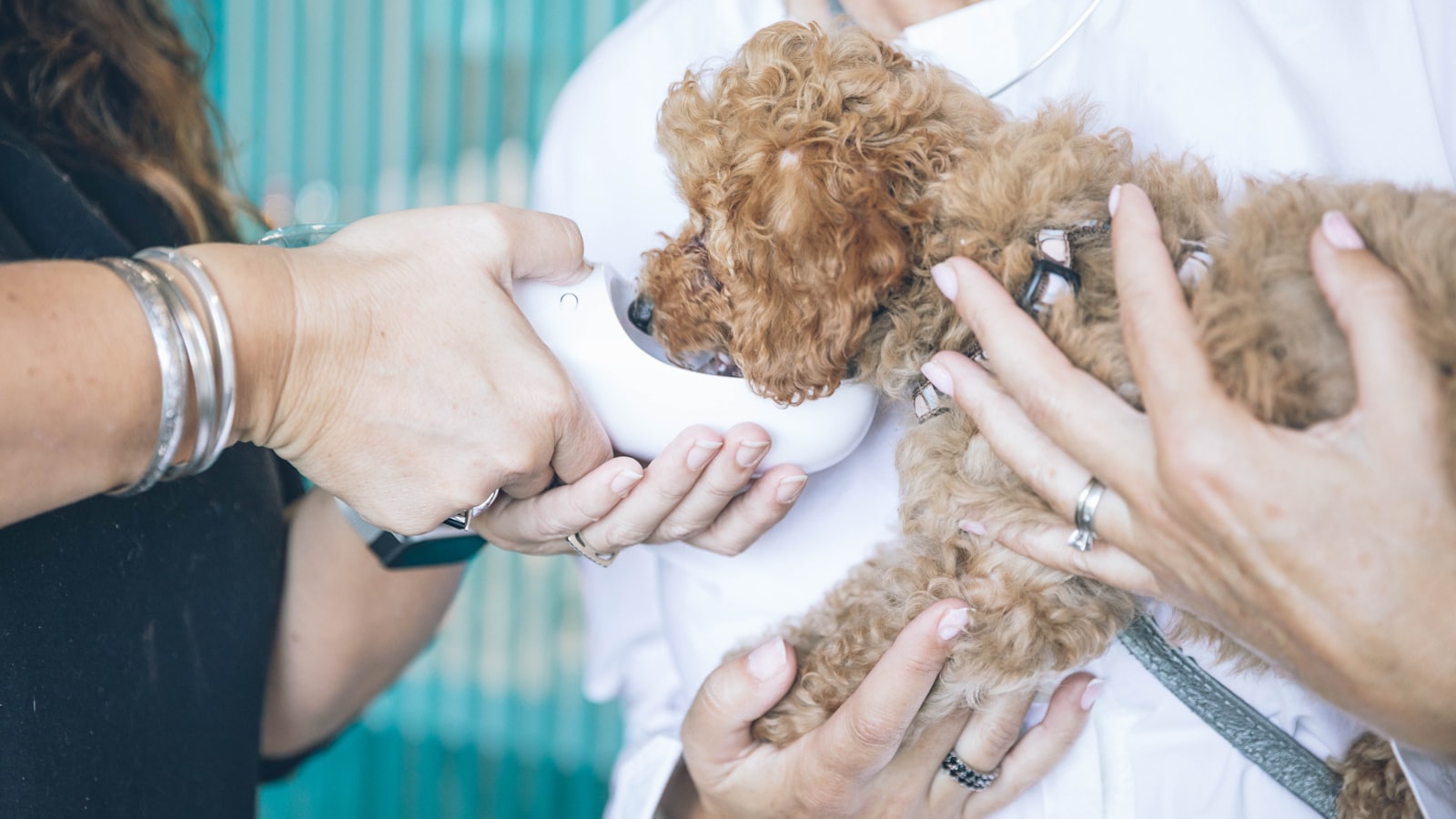
The Poodle's fancy reputation hides the truth: this is a water retriever, one of the most intelligent and trainable breeds on earth, in a hypoallergenic coat. Poodles are so smart they'll learn things you never meant to teach and invent games you'll wish they hadn't. Across all three sizes — standard, miniature, toy — the training story is the same: an eager, sensitive, brilliant brain that thrives on mental challenge and turns to mischief and anxiety when under-stimulated. Teaching a Poodle is easy; satisfying one is the real work.
A Poodle will learn anything you teach — and everything you don't. The question is never whether they can, but whether you've given the genius enough to do.
📋 Quick Read
- The wiring: bred as water retrievers (yes, all sizes) — hence the elite intelligence, high trainability, sensitivity, athleticism, and a real need for mental work; the coat is grooming-intensive, which makes cooperative-care handling part of the plan.
- Superpowers: possibly the most trainable breed there is — quick, eager, versatile, and stellar at obedience, tricks, and sport; the standard's athleticism and the toy's portability suit different lifestyles.
- Watch-fors: boredom breeds mischief and anxiety in this brilliant breed; sensitivity means harsh handling backfires; grooming demands early handling-tolerance training; and toy/mini sizes need careful handling and housetraining patience.
Feed the genius (the real challenge)
With a Poodle, teaching is easy and satisfying is the job — so lean hard into mental work. They're built for advanced training: past the foundations into complex tricks, shaping projects (the shaping lesson is a Poodle's playground — they thrive on figuring things out), scent work, agility, obedience competition, and any sport that challenges the brain. Use their eagerness and sensitivity with purely positive methods — a Poodle wants to work with you and reads your tone precisely, so reward-based training clicks fast and harsh handling backfires hard. And treat mental enrichment as a daily requirement, not a bonus: the under-stimulated Poodle is where the breed's less-charming reputation (yappy, anxious, neurotic) actually comes from — those aren't Poodle traits, they're bored-Poodle symptoms. A Poodle given real cognitive work daily — training, puzzles, novelty, problem-solving — is the calm, brilliant, delightful dog the breed is capable of being.
Grooming tolerance and size-tuning the plan
The Poodle coat is a training responsibility: it needs regular professional grooming for life, which means a Poodle who fears the grooming table or the clippers is in for a lifetime of stress — so cooperative-care handling is core Poodle training (the handling lesson's touch-tolerance ladder, run early and thoroughly, plus happy vet-and-groomer conditioning). A grooming-tolerant Poodle is made, not born. Then tune for size: Standard Poodles are genuine athletes needing real daily exercise plus the mental work (an under-exercised Standard is a large, bored, brilliant problem); Miniature and Toy Poodles need the same mental stimulation in a smaller body, plus gentle handling, deliberate confidence-socialization (small breeds are prone to fearfulness and 'small dog syndrome' when under-socialized or over-coddled — treat them like real dogs with real training, not accessories), and the housetraining patience small breeds often require (smaller bladders, the apartment-potty lesson's logistics). Across all sizes, the sensitive-genius-who-needs-a-job core holds — you're just adjusting the exercise load and the handling gentleness to the frame.
🗓 This Week's Plan
- Days 1–2: Set up daily mental work — advanced training, shaping projects, puzzles — as the Poodle's core requirement.
- Days 3–5: Start the cooperative-care grooming-tolerance ladder (handling, clippers, table) — lifelong grooming makes this essential.
- Days 6–7: Size-tune: real exercise for Standards; confidence-socialization and gentle-but-real training for minis/toys.
Feed your Poodle's genius in Pak Social
Teaching is the easy part. Give the brilliant brain daily work and cooperative grooming skills, and the disguised retriever becomes the delightful genius the breed was always meant to be.
Get Pak Social — Free ➡️ Up nextTraining a Beagle: Breed-Specific Priorities5 min read›