Training a Labradoodle: Breed-Specific Priorities
A Labrador crossed with a Poodle — smart, energetic, and highly trainable. The plan is nearly identical to the Goldendoodle's: meet a real athlete's exercise needs, channel the Lab mouth, prevent separation anxiety, and commit to the coat.
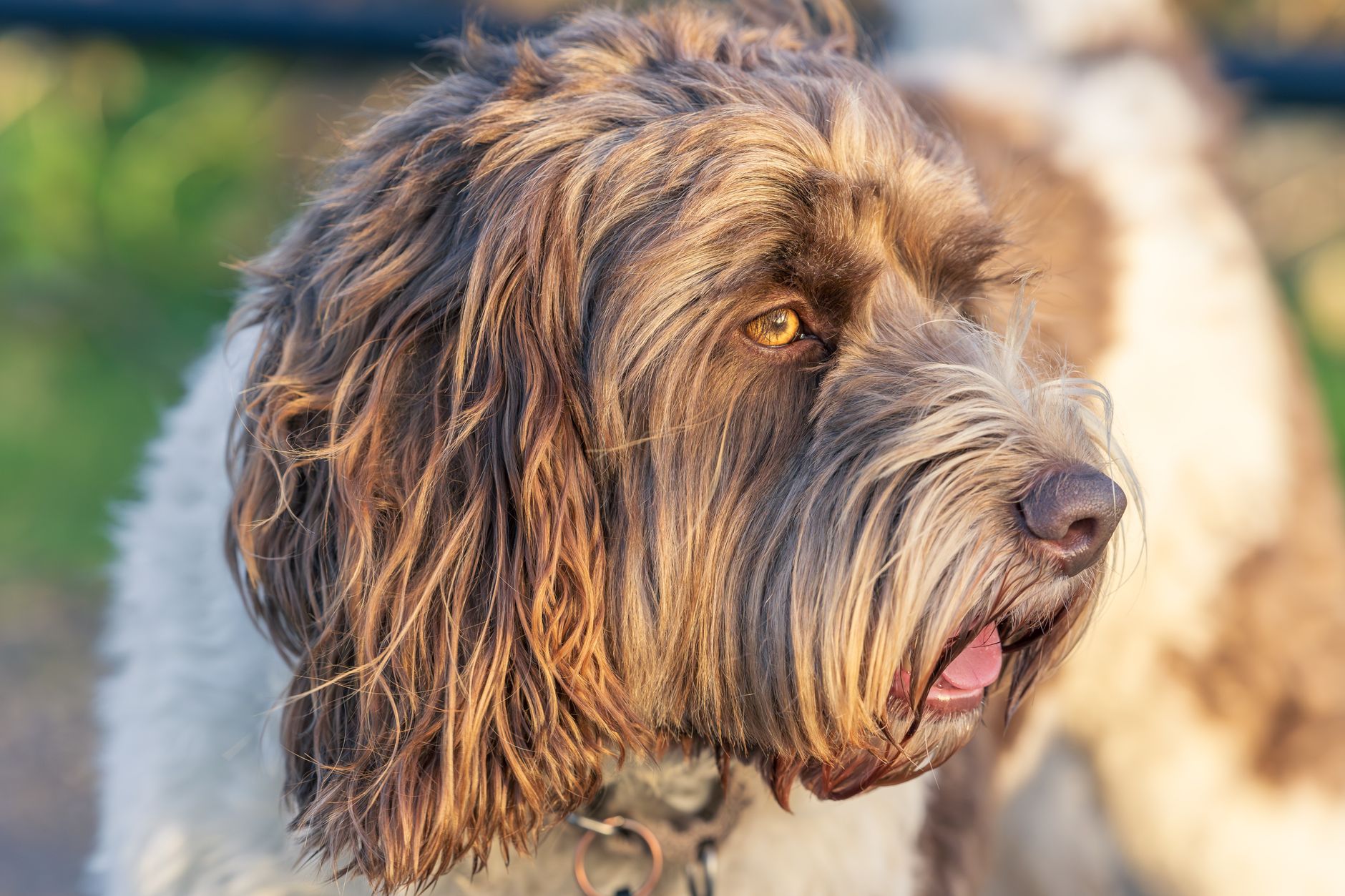
The Labradoodle crosses the Labrador Retriever with the Poodle — two intelligent, biddable, work-loving breeds — so it's typically friendly, clever, and very trainable. Like its Goldendoodle cousin, it inherits genuine athletic drive, not a low-energy novelty temperament, so it needs real exercise, mental work, early independence training, and serious grooming. Labs tend to bring even more energy and mouthiness to the mix, so channeling the mouth and meeting the exercise need matter especially. Use reward-based training, provide substantial daily physical and mental outlets, build alone-time tolerance early, and start grooming-handling from puppyhood.
A Labradoodle is a Lab-and-Poodle athlete in a teddy-bear coat — train it easily, but feed the energy, channel the mouth, and commit to the grooming.
📋 Quick Read
- The wiring: a Labrador × Poodle cross — friendly, intelligent, biddable, and often high-energy, inheriting the Lab's exercise needs and mouthiness plus the Poodle's smarts.
- The superpower: highly trainable and people-oriented; Labradoodles take to reward-based training easily and make lively, affectionate family dogs.
- The watch-fors: substantial exercise needs (often even higher than a Goldendoodle), pronounced mouthiness from the Lab side, separation-anxiety risk, and a high-maintenance coat needing early grooming-handling.
Very trainable, often very energetic
Labradoodles are highly trainable — both parent breeds are smart and biddable — so reward-based sessions get excellent results. The thing to plan for is energy: the Labrador side often makes a Labradoodle even more athletic and driven than a Goldendoodle, so it typically needs substantial daily physical exercise (runs, fetch, swims, play) plus real mental work. This is not a low-energy designer novelty; it's an active dog in a soft coat, and an under-exercised one turns bored energy into mouthing, chewing, and destruction.
Meet the exercise and enrichment need and the training is easy; skip it and even a brilliant dog is a handful. Build two real outlets — physical and mental — into every day, lean on the breed's biddability with positive methods, and a Labradoodle becomes a calm, delightful housemate. Treat it as the energetic athlete it is.
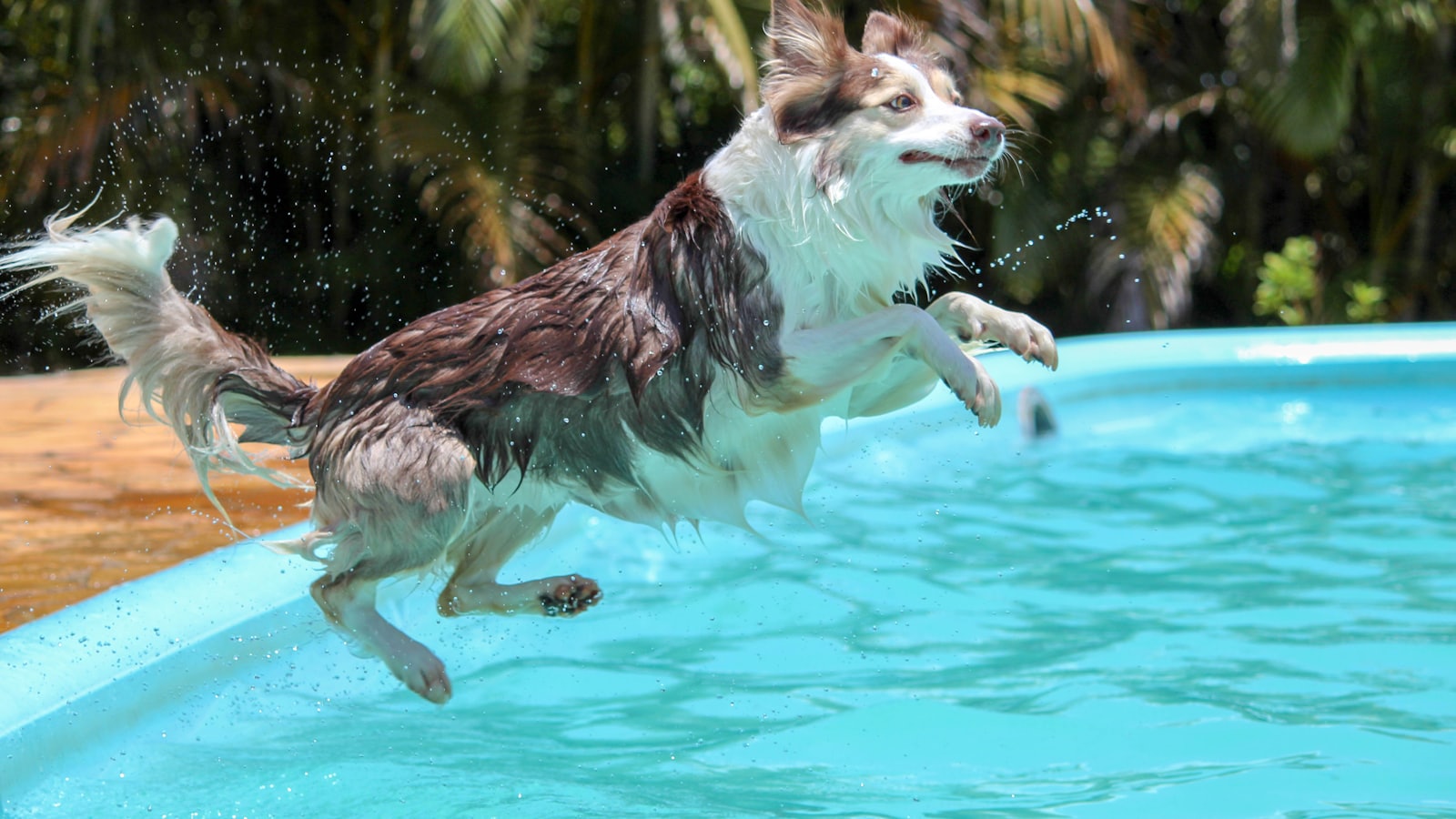
The mouth, independence, and the coat
The Labrador side brings pronounced mouthiness — mouthing hands, carrying and stealing items, counter-surfing, and jumpy greetings — because the drive to pick things up in the mouth is hardwired. Channel it rather than fight it: teach a formal retrieve and a reliable 'drop it,' keep legal chew and carry items available, and manage the environment while the habit forms. Teach a sit-to-greet early to replace the jump, and coach visitors not to reward jumping. In such a biddable dog, these are quick to shape when started young.
From both parent breeds comes a strong attachment to people that can tip into separation anxiety, so build alone-time tolerance early and gradually. And the coat is the same real commitment as any doodle: Poodle-influenced coats mat easily and need regular brushing plus professional grooming, so introduce grooming handling positively from puppyhood — brushing, bathing, paw, ear, and face handling — and keep a regular schedule. Channel the mouth, prevent separation anxiety, and commit to the coat, and the Labradoodle's terrific trainability carries the rest.
- Reward-based training (leaning on real biddability)
- Substantial daily physical exercise (often high)
- Daily mental stimulation (games, puzzles, a sport)
- The Lab mouth channeled (retrieve, 'drop it,' chews, sit-to-greet)
- Alone-time tolerance built early and gradually
- Grooming-handling introduced early; regular grooming scheduled
🗓 This Week's Plan
- Days 1–2: Set substantial daily exercise plus mental work, and start reward-based training.
- Days 3–5: Channel the mouth (retrieve, 'drop it,' sit-to-greet) and begin building alone-time tolerance.
- Days 6–7: Introduce positive grooming-handling and set a regular brushing/professional grooming schedule.
Train your Labradoodle in Pak Social
Reward-based training, real exercise, a channeled mouth, an early independence plan, and a grooming routine. Pak Social keeps your lively doodle fulfilled, mannerly, and mat-free.
Get Pak Social — Free ➡️ Up nextTraining a Bernedoodle: Breed-Specific Priorities5 min read›