Pak for Rescue Adopters
You brought home a dog with an unknown past and a fresh start. Here's how to run the first months — decompression, records, routines — with Pak Social as the co-pilot.
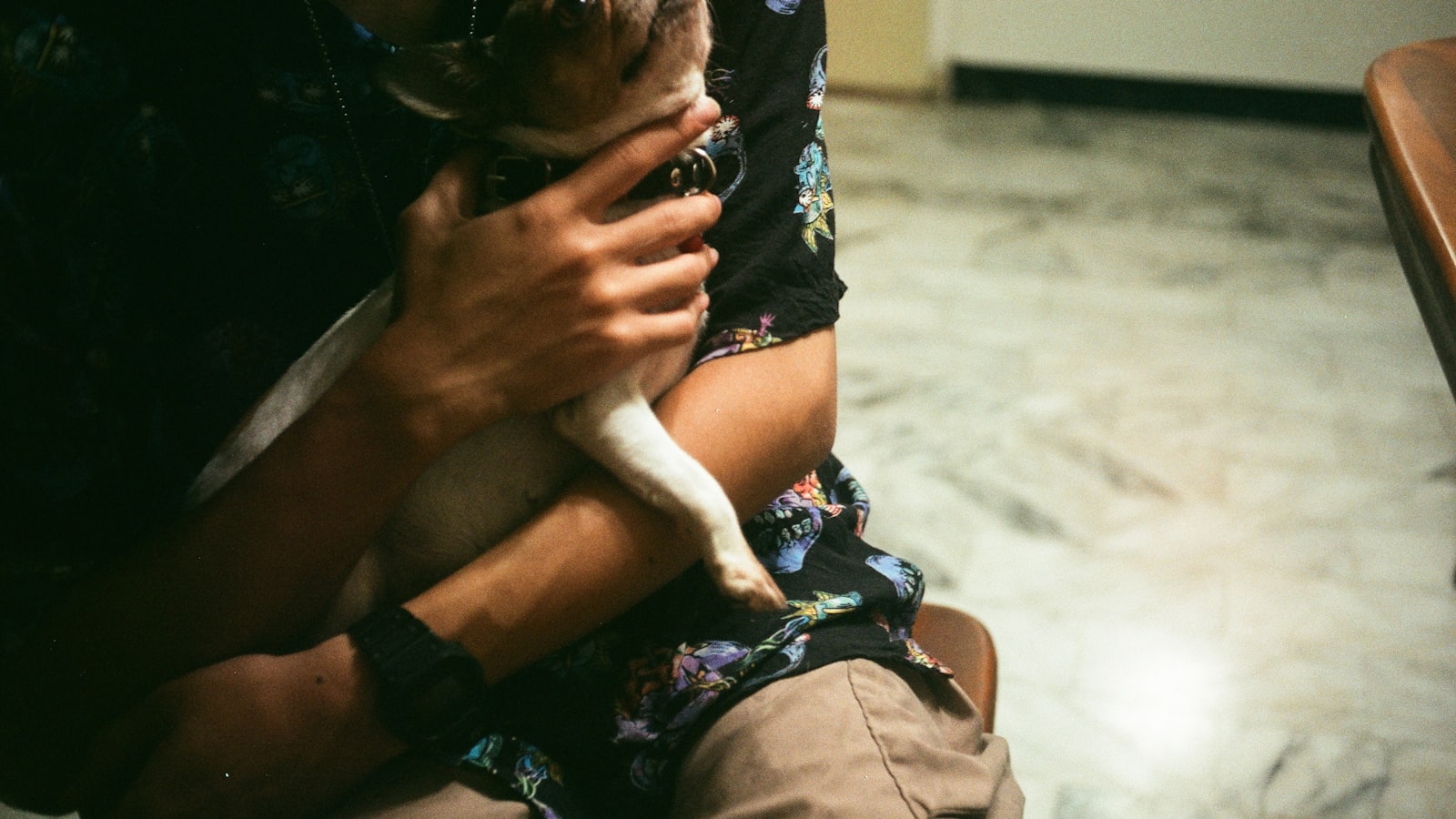
The shelter handed you a leash, a manila folder with half a vaccination history, and a dog whose entire biography is a guess. The first weeks with a rescue are equal parts joy and detective work: What do they know? What are they afraid of? Is that limp new? You're not just bonding — you're building a file from scratch, and the owners who do it deliberately have calmer dogs, better vet visits, and far fewer 'if only we'd noticed sooner' moments.
A rescue dog arrives with no manual. Your job — and your superpower — is writing it.
📋 Quick Read
- The decompression arc is real: think in the 3-3-3 shape — around three days to exhale, three weeks to learn the routine, three months to fully unpack the personality. Patience early buys everything later.
- The unknown-history gap is closable: two weeks of deliberate observation (eating, sleeping, triggers, skills) builds the baseline the shelter couldn't give you.
- Records from day one pay compounding interest — the half-filled folder becomes a complete file, and every future vet visit, sitter handoff, and training decision runs on it.
Run the decompression clock
First three days: small world — one or two rooms, predictable meals, potty trips on leash even in the yard (new dogs bolt; the flight risk is highest before the bond exists), no visitors, no errands, no dog park. First three weeks: the loop from the schedule lessons — fixed meals, walk rhythm, enforced quiet time — while the real personality starts surfacing. First three months: gradual expansion (new streets, first playdate interviews, longer alone-time reps) at the dog's pace, not the calendar's. The counterintuitive discipline is restraint: every instinct says show them everything, love them loudly, introduce everyone — and the dog's nervous system is begging for boring. Boring is the gift.

Detective work: building the baseline from zero
For two weeks, log like a researcher: appetite per meal (the feeding-schedule lesson's one-tap habit), sleep location and quality, stool (yes — the poop lesson's baseline matters double when you don't know what normal is), gait on stairs and after rest, response to handling each body part (the handling lesson's map, run gently), reactions to triggers (men in hats? other dogs? the vacuum?), and the skills inventory — test name response, sit, leash manners, crate history, alone-time tolerance, each at low stakes. Two weeks of this produces what the shelter couldn't: a real manual. Schedule the first vet visit inside week one regardless (new-patient exam, records transfer, chip check and re-registration to YOUR contact info — the most-forgotten task in adoption), and bring the log you've started.
The support system, pre-staged
Rescues benefit from the village more than any dog — and need it introduced more carefully. Onboard one backup caretaker during month one (the dog-care-village playbook, slowed down: extra visits before any solo handoff). Use Playdate Matching only after decompression, starting with parallel walks — the adult-socialization lesson is essentially the rescue's social curriculum. Share the growing profile with your trainer, sitter, or the rescue's post-adoption support line; a complete file makes every professional you hire twice as effective. And log the wins — first tail wag, first full-night sleep, first voluntary approach — because in month two, when the fence-barking phase tests your resolve, the wins-log is the evidence that the arc is bending exactly the way 3-3-3 promised.
- Profile created; shelter folder photographed in
- Microchip re-registered to MY contact info
- First vet visit booked inside week one
- Daily appetite, sleep, and stool log running
- Handling map started (gently, low stakes)
- Trigger and skills inventory in progress
- Routine reminders set — meals, potty, quiet time
- One backup caretaker beginning onboarding
🗓 This Week's Plan
- Days 1–2: Small world + file foundation — profile, records photographed, chip re-registration submitted.
- Days 3–5: Baseline logging begins; first vet visit; routine reminders running.
- Days 6–7: First gentle handling-map entries and the skills inventory. Log the first win, whatever it is.
Start your rescue's file in Pak Social
Photograph the folder, set the routine, log day one. Three months from now you'll have the dog — and the manual — the shelter could only hope you'd write.
Get Pak Social — Free ➡️ Up nextThe 3-3-3 Rule for Rescue Dogs5 min read›