Naming and Bonding in Week One
The bond isn't built with grand gestures — it's built in the small, repeated moments of week one. Here's how the name and the relationship grow together.
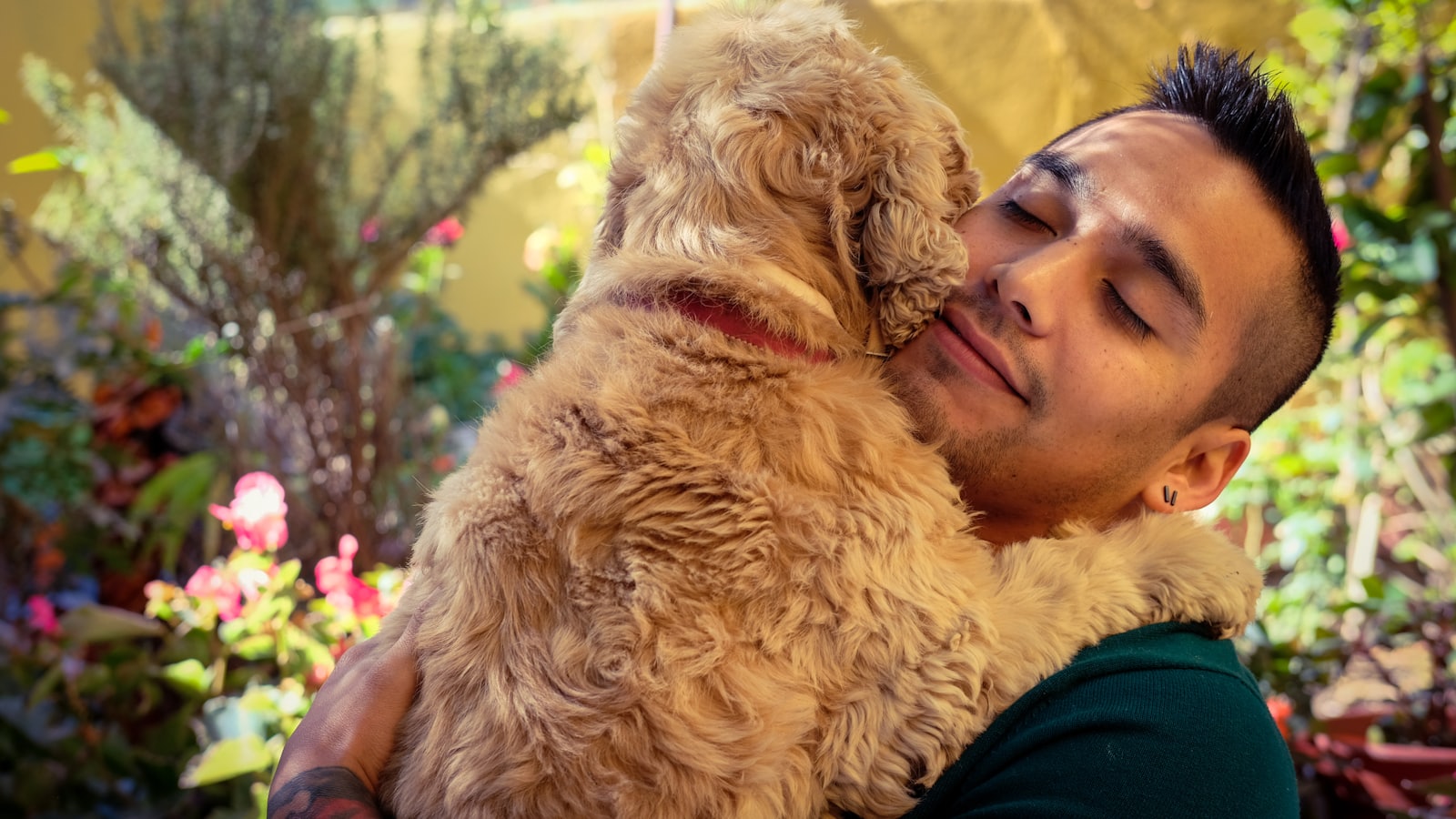
New owners imagine bonding as a montage: the tearful first hug, the instant soulmate recognition, the dog who just knows. Real bonding is quieter and better — it's built in a hundred tiny transactions across the first week: the name that always means good things, the hand that always feeds, the routine that always holds. You don't fall in love with a new dog. You accrue it — and week one is where the account opens.
Bonding isn't a moment you wait for. It's a balance you build — one good, boring, repeated day at a time.
📋 Quick Read
- The name is the bond's first tool: charged through the Name Game (say it, pay it, never weaponize it), it becomes the sound that means 'good things, from you' — the foundation of every future cue.
- Trust compounds through predictability, not intensity: you become the source of food, safety, play, and routine, and the dog's nervous system files you as 'reliable good.'
- Rescues and puppies bond on different clocks (the 3-3-3 and first-24-hours lessons) — but the mechanism is identical, and forcing affection on either backfires; let the dog set the pace.
The name and the bond, growing together
Start the Name Game day one (or day three-plus for a decompressing rescue): name said once in a warm voice, instant treat, the head-turn paid every time — and crucially, the name never attached to anything unpleasant. This does double duty: it builds the attention cue every future lesson needs, and it makes the sound of your voice a reliable predictor of good, which is bonding in its most literal form. For a renamed rescue, the new name simply gets charged from scratch while the old one fades — two weeks of pairing and the new sound is theirs. The name becomes, in effect, the bond made audible: your dog hears it and orients toward you expecting good things, because that's what a hundred reps taught.

Become the reliable source of everything good
Week one, quietly install yourself as the origin of the good stuff: hand-feed some meals (food from you is one of the oldest bonding channels there is), be the one who initiates the play the dog enjoys, deliver the calm and the routine that lets an unsettled nervous system stand down. Learn what THIS dog likes — some melt for chin scratches, others find hands-on-head threatening and adore a shared sniffy walk instead; the bond grows through their preferences, not your assumptions. And let the routine do heavy lifting: predictable meals, walks, and bedtime (the schedule lessons) are themselves trust-builders, because a dog who can predict their day learns the human running it is dependable. Reliability is romance, to a dog.
Different clocks, same mechanism
A confident eight-week puppy may bond in days; a shut-down rescue may take the full three months of the 3-3-3 lesson — and neither pace reflects the eventual depth of the bond. What's identical is the method: reliable good experiences, the charged name, respected boundaries, shared routine, and patience. Resist comparing your week one to someone's highlight reel — the dog under the couch on day two and the velcro shadow of month three are the same dog at different points on the same curve. Log the firsts (first approach, first play, first name-whip, first choosing to nap against you) not just for sentiment but for perspective: on a discouraging day, the tally proves the account is growing exactly as designed.
- Name Game started — name paid, never weaponized
- Hand-fed at least some meals
- Learned one thing THIS dog specifically enjoys
- Honored a 'no' when the dog wanted space
- Kept the daily routine predictable
- Let the dog choose an approach, unforced
- Logged the first voluntary sign of trust
🗓 This Week's Plan
- Days 1–2: Start (or charge) the name; hand-feed meals; keep the world small and the routine steady.
- Days 3–5: Discover this dog's preferred affection; practice reading and honoring consent signals.
- Days 6–7: Run the First-Week Ledger and log the bonding firsts — read them back on any day the doubt creeps in.
Open the bonding ledger in Pak Social
Charge the name, hand-feed a meal, honor one 'no.' The soulmate montage is real — it just arrives one deposit at a time, and this is where you start counting.
Get Pak Social — Free ➡️ Up nextChoosing the Right Dog for Your Life4 min read›