Lost-Dog Prevention and Recovery: The Complete Plan
The gate fails, the leash slips, the firework lands — every dog is one bad minute from loose. The full system: prevention layers, the first-hour playbook, and the 48-hour campaign.
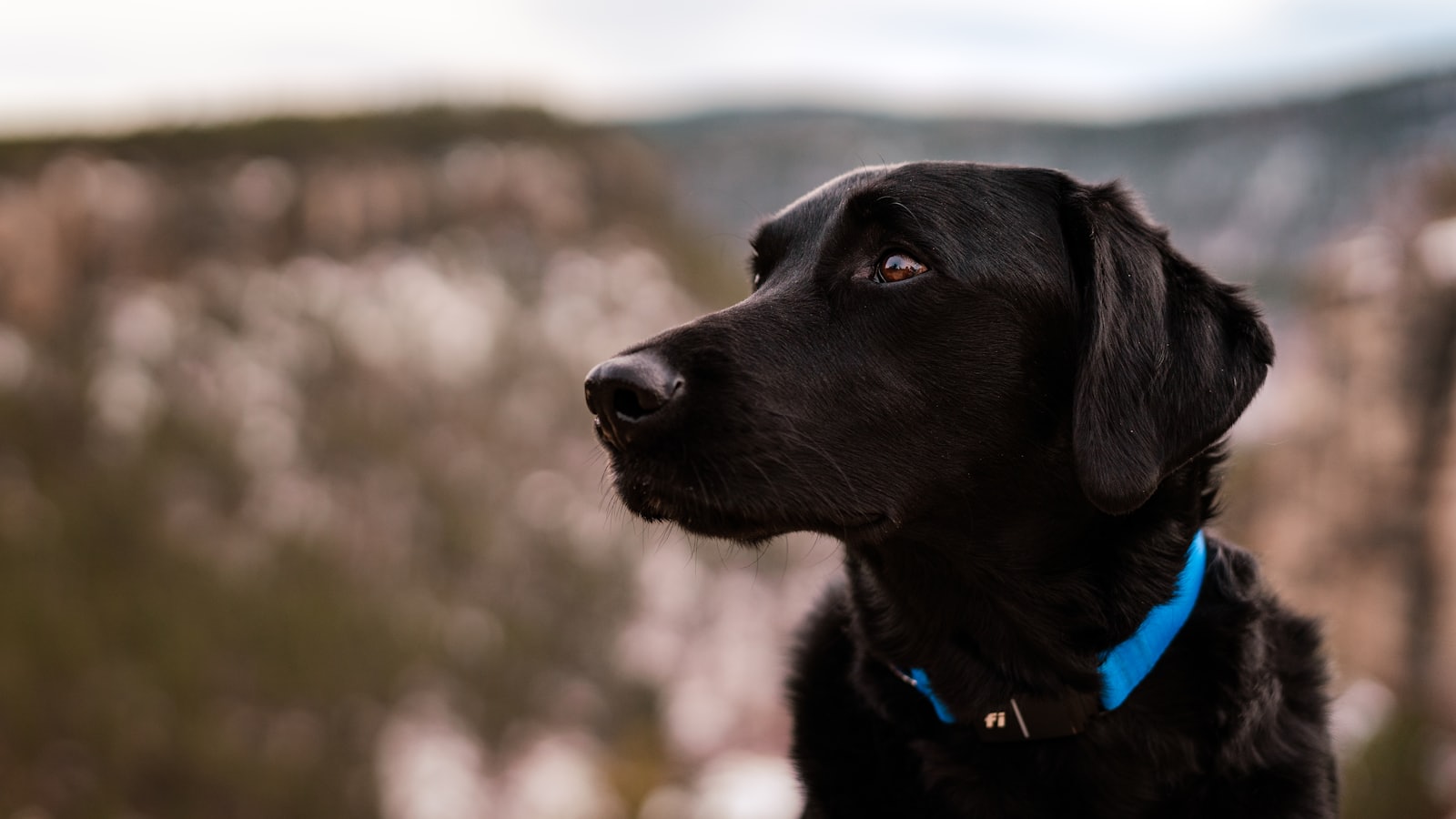
It happens to careful owners: the gate the landscaper left open, the harness that back-slipped, the firework that turned a solid recall into wind. One in three pets goes missing at some point in their lifetime — and the difference between a scary hour and a lasting grief is almost entirely preparation done in advance and speed in the first hour. This is the complete plan: the layers that prevent it, the playbook for the moment it happens anyway, and the campaign that brings them home.
Lost-dog outcomes are decided twice: once in the boring preparation weeks before, and once in the first frantic hour after. Win both.
📋 Quick Read
- Prevention stacks five layers: physical containment audited, escape-behavior trained (door manners, recall, the emergency word), ID current (tag + chip + smart tag), GPS for the flight risks, and the trigger calendar managed (fireworks season is peak lost-dog season).
- The first hour is a sprint with a script: immediate area search (calling happy, not frantic), the home-base anchor (familiar smells, an open gate, a person), and the alert cascade — chip registry, neighbors, apps — fired fast.
- The 48-hour campaign is systematic: flyers with big photos, shelter visits IN PERSON every day or two, the online grid covered, and the approach discipline (never chase — a spooked dog runs from pursuit, even yours).
Prevention: stack the five layers
Layer one, containment: walk the fence line quarterly (gaps, digs, gate latches — the landscaper's gate gets a clip or a lock), audit the harness fit (back-slipping is the classic equipment escape — the two-finger rule plus the front-clip's geometry), and treat doors as airlocks in delivery season. Layer two, training: the wait lesson's threshold manners, the emergency recall charged and maintained, and the collar-grab conditioning from the handling lesson (a dog who loves collar reaches can be caught; one who dodges them plays keep-away at the worst moments). Layer three, ID: the reunion stack current — legible tag, chip registration verified this year, smart tag filled out. Layer four, tech by risk: GPS for the escape artists, adventurers, and new rescues (flight risk peaks in the first months — the 3-3-3 lesson's leashed-yard rule exists for this). Layer five, the calendar: fireworks nights and thunderstorm season are peak escape windows — the den, the masking, the double-check on hardware BEFORE July's first whistle.
The first hour: sprint the script
The moment you know: grab the high-value treats and the leash, and search the immediate radius on foot — calling in your HAPPY voice (the frantic voice reads as danger to a stressed dog), pausing to listen, checking the favorite smells (that one bush, the neighbor's compost). Simultaneously fire the cascade (this is why the phone tree pre-exists): one person anchors home base — gate open, the dog's bed or your worn shirt on the porch, someone visibly calm in the yard, because a large share of dogs circle home within hours; one person calls the chip registry's lost-pet line (activating alert services), the local shelters and animal control (first report, description, your number), and posts to the neighborhood apps with the photo and 'do not chase — call me.' If you have GPS, you're tracking, not searching — move to intercept ahead of the dog, never in pursuit. And the discipline that feels wrong but saves the day: if you spot them and they're spooked, do NOT run at them — see the approach protocol below.
The 48-hour campaign and the approach protocol
If the first hours don't close it, systematize: flyers that work (one huge clear photo, three lines of text — name, your phone, 'do not chase' — posted at eye level at intersections, vets, groomers, and the radius's foot-traffic hubs), the online grid covered and refreshed (neighborhood apps, regional lost-pet groups, the chip registry's alert blast, marketplace lost-and-found sections), and shelters visited IN PERSON every day or two — phone descriptions miss; your eyes on the kennels don't, and stray-hold windows make the visits time-sensitive. Expand the radius daily, keep the home-base anchor running (food, scent items, a camera if you have one — sightings map the pattern), and follow every sighting with the approach protocol: get low, turn sideways, no eye contact, scatter irresistible food toward you, talk soft nonsense, and let the dog close the distance — for the truly spooked, that's a sit-on-the-ground-and-wait operation, and for the multi-day survival-mode dog, it's humane traps via animal control or a lost-pet rescue group (they exist, they're good, and shelters know them). Most lost dogs come home — the plan's whole job is shortening the story.
- Containment audited this season (fence, gates, latches)
- Harness fit checked; door manners and emergency recall live
- Tag legible, chip registration verified CURRENT, smart tag filled
- GPS on the flight-risk dogs
- Recent clear photos (quarterly refresh) on the phone
- Firework/storm calendar managed — den and hardware pre-checked
- First-hour phone tree written: anchor, caller, searcher
- Approach protocol known: never chase, get low, let them come
🗓 This Week's Plan
- Days 1–2: The five-layer prevention audit — walk the fence, check the fit, test the latches, verify the chip registry.
- Days 3–4: Update the photos, fill the smart-tag profile, and write the phone-tree card into the app and the fridge.
- Days 5–7: Rehearse the pieces — one happy-voice recall session, one collar-grab conditioning rep, one household read-through of the first-hour script.
Run the Fire-Drill Week with Pak Social
Five layers audited, one script written, one hour rehearsed. One in three dogs goes missing — and the prepared third comes home fastest.
Get Pak Social — Free ➡️ Up nextFencing and Containment Options6 min read›