Helping a Shy Rescue Settle In
The dog who won't leave the corner, flinches at hands, and hasn't wagged yet isn't broken — they're bracing. How to help a fearful rescue unclench, at the only speed that works: theirs.
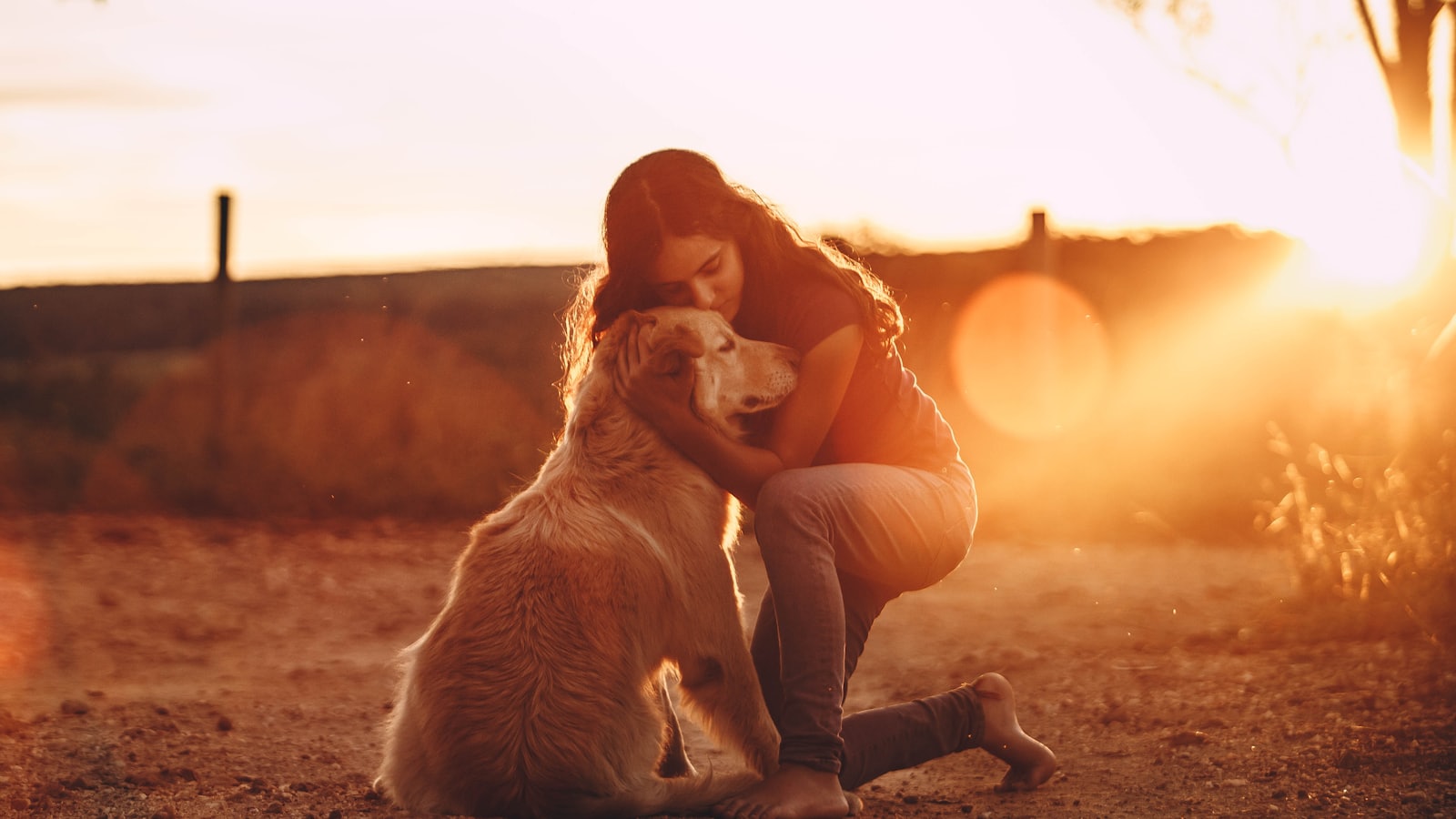
You brought home the shy one — the dog who pancaked at the shelter, who now lives behind your couch and treats eye contact like a loan application. Everything in you wants to fix it with love: coax, cuddle, show them it's safe. Here's the counterintuitive core of shy-dog work: the fastest way to a confident dog is to stop trying to speed them up. Pressure — even loving pressure — is what shy dogs are braced against. Remove it, control the world's volume, and let approach be their idea.
A shy dog doesn't need convincing. They need evidence — days of it, at their pace, that nothing here requires bracing.
📋 Quick Read
- The prime directive is no pressure: no coaxing out of hiding, no cornering for affection, no forced introductions — every 'gentle push' teaches the dog their signals don't work here.
- You become safe through predictability and sideways-ness: routines that never vary, movement that's slow and announced, attention that's available but never imposed — the treat-and-retreat game is the whole curriculum.
- Progress is measured in firsts and thresholds (first meal eaten while you're in the room, first voluntary sniff of your hand), and the 3-3-3 clock runs long for shy dogs — double it and celebrate anyway.
Set the stage: small world, low volume, ironclad routine
Run the rescue and 3-3-3 playbooks at half speed: a small, quiet base territory with a proper hiding spot (a covered crate with the door pinned open, or the space behind the couch, formally legalized — the den is a coping tool, not a problem), household volume turned down (visitors postponed longer than feels social, TV moderate, sudden noises minimized where you can), and a routine so predictable it's boring — same times, same order, same phrases, because for a braced dog, every kept pattern is a promise honored. Feed meals in or near the safe zone, moving them a foot closer to the household's life only as body language loosens week over week. And narrate yourself: a low, conversational voice as you move through the space lets the dog track you without startle — you're not talking TO them; you're being weather they can forecast.
Treat-and-retreat: the whole curriculum in one game
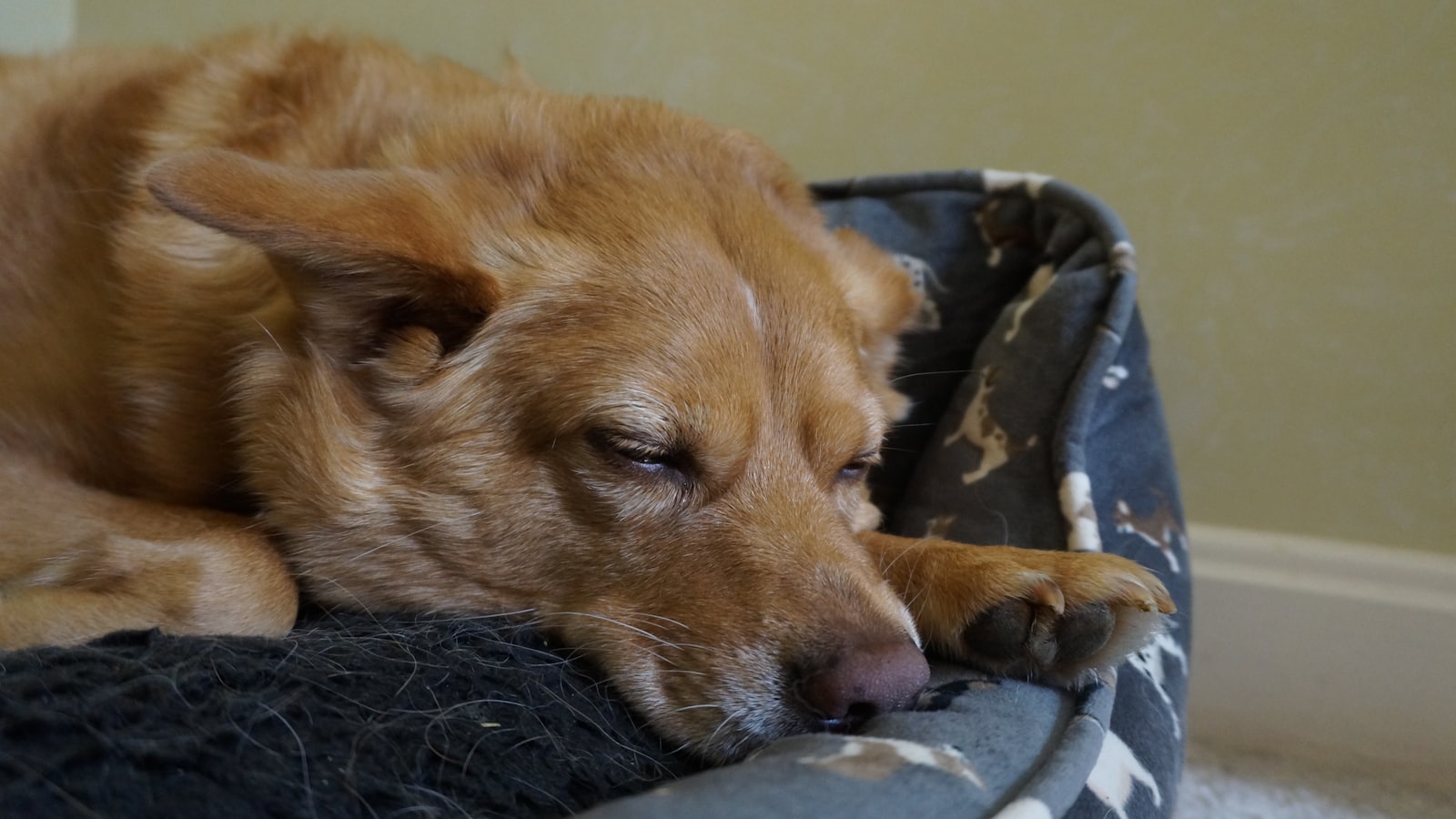
The core exercise, played dozens of times a day in passing: without looking at the dog, toss a good treat to land near them — then keep walking, away. That's it. You've just paid them AND removed the pressure in one motion, and the arithmetic compounds: human proximity starts predicting good-things-then-relief instead of demands. As days pass, the tosses land incrementally closer to your path; eventually the dog starts drifting toward your orbit when you enter — at which point the game evolves (treats dropped beside you while you sit on the floor reading, sideways, eyes on your book), but the rule never does: approach is always their move, contact is always their ask (a nose-bump or a lean is the invoice — pay it with calm, brief, chest-or-shoulder scratches, never the over-the-head loom), and retreat is always honored instantly. The handling and vet-anxiety lessons' consent machinery, running at its gentlest setting.
The long game, and when to call in help
Expect the shy-dog remix of every timeline: 3-3-3 running at double length, the behavior debut arriving late (and sometimes loud — a shy dog finding their voice may discover barking; that's progress wearing an inconvenient hat), and setbacks after novelty (a loud weekend costs a few days — the account rebuilds). Widen the world only at the pace the body language funds: one new room, one calm visitor (briefed on the no-pressure rules: no approach, no eye contact, treats tossed not offered), one quiet street outing — each expansion earned by loosening, never scheduled by calendar. And know the professional line: fear that escalates rather than softens, panic that risks injury, bite-history behaviors surfacing, or a dog still fully shut down after months of good work — that's veterinary-behaviorist territory, where medication-supported protocols exist precisely because some nervous systems need pharmacological room to learn. Getting help early isn't failure; it's the same principle as everything above — meeting the dog where they actually are.
🗓 This Week's Plan
- Days 1–2: Stage the small world with a legalized hiding spot; lock the routine; brief the household on the no-pressure rules.
- Days 3–5: Run the Hundred-Toss Week's daily fifteen; log the firsts and the flinch triggers.
- Days 6–7: Review the loosening signals; expand nothing until they fund it — and note any escalation for the vet conversation.
Start the firsts log in Pak Social
A hundred tosses, zero pressure, every first written down. The dog behind the couch is running the math — and with enough evidence, the math comes out your way.
Get Pak Social — Free ➡️ Up nextFear of Strangers: Building Positive Associations4 min read›