Adopting an Adult Dog: What to Expect
Skip the puppy chaos and adopt grown? Smart choice — and a different one. What an adult dog brings, what they need, and why 'already trained' is a myth worth unlearning.
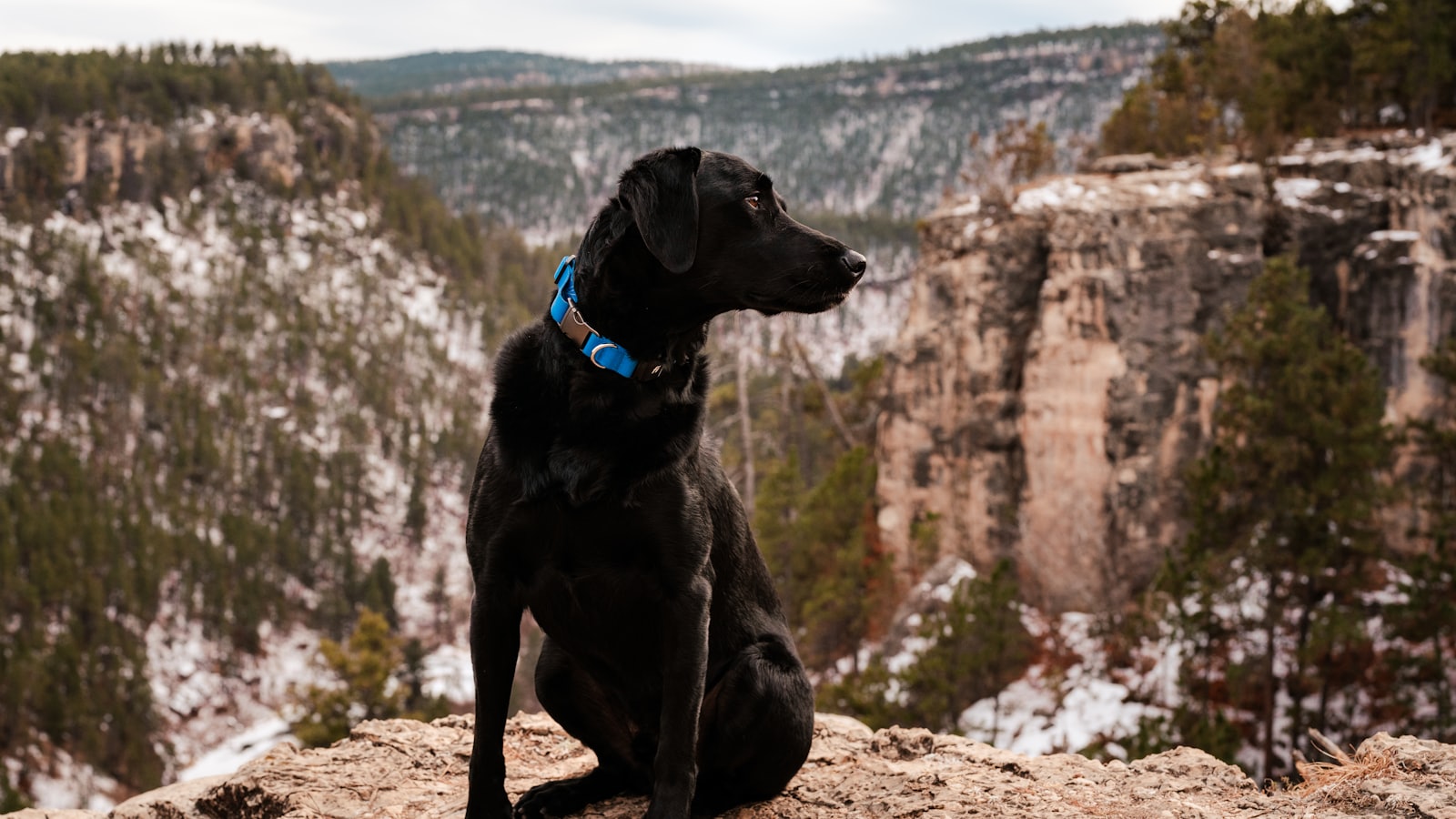
You did the math and chose the adult dog: no 3 a.m. potty trips, no needle teeth, a personality you could actually see at the shelter. It's a genuinely wise choice — adult dogs are wildly underrated adoptees. But it comes with its own set of expectations to calibrate, starting with the biggest myth in adult adoption: 'he's already trained' is almost never the whole truth. Here's what adopting grown actually looks like — the real advantages, the real work, and how to set both of you up to win.
An adult dog isn't a finished dog. They're a known dog — and known is a better starting line than blank.
📋 Quick Read
- The real advantages are big: visible personality and size, calmer energy, often some existing house manners, and a settled temperament you can actually assess before committing.
- The myth to drop: 'already trained.' Skills don't transfer intact to a new home — cues may be different or rusty, house rules are unknown, and everything needs confirming and re-teaching in your context.
- The work that's real: decompression (adults do 3-3-3 too), bonding on their timeline, filling training gaps, and patience with baggage that surfaces as trust grows — all covered by the rescue and 3-3-3 lessons.
The advantages are real — lean into them
Adult dogs earn their underrated reputation. What you see is what you get: temperament, energy level, size, and coat are all settled, so you can choose a genuine match instead of gambling on a puppy's future self — and shelters and fosters can often tell you how a dog does with kids, cats, other dogs, and being alone. Many adults come pre-loaded with useful skills (house-training, leash basics, some cues) and, crucially, an off-switch — the ability to settle and relax that puppies famously lack for months. They frequently bond intensely with the people who give them a second home. And you skip the entire puppy gauntlet: no teething, no every-45-minute potty clock, no fear-period landmines mid-development. For busy households, first-time owners who want predictability, and anyone who'd rather start with a known quantity, the adult dog is often the smarter adoption — not the consolation prize.
Retire the 'already trained' myth
The listing said 'house-trained and knows basic commands,' and both may be true — in the dog's previous life. In yours, expect to confirm and re-teach everything: house-training needs re-establishing on your schedule and environment (an adult who was reliable elsewhere may have a few accidents while learning your routine and door — not a failure, just orientation); known cues may respond to different words or hand signals, or have gone rusty, so you test what's there and rebuild what isn't; and your house rules (furniture, counters, greetings) are entirely unknown to the dog, who will run their old home's rules until taught yours. None of this is disappointing once you expect it — re-teaching a dog who already understands the training game is fast and satisfying, worlds easier than starting a blank puppy. Treat the first weeks as orientation, not remediation.
The real work, and setting up to win
Adult adoption's work is the rehoming work: run the 3-3-3 decompression (adults need it as much as any dog — the settled shelter dog can still be overwhelmed the first weeks), build the bond on their timeline through reliable routine, fill the training gaps you find, and stay patient with baggage that may surface once the dog trusts you enough to show it (a fear, a guarding tendency, a separation worry — the relevant lessons across this library handle most of it, and a good trainer handles the rest). Set up to win by starting structured and generous: the schedule lessons' routines, the rescue lesson's file-building, the handling and vet-anxiety work if the dog needs it, and realistic patience — a settled, bonded, oriented adult dog at the three-month mark is a spectacular companion, and the road there is shorter and calmer than the puppy road you deliberately skipped.
- Running 3-3-3 decompression (adults need it too)
- Profile started; chip re-registered to me
- House-training re-confirmed on MY schedule
- Known cues tested — words/signals mapped
- House rules being taught from scratch
- Freedom expanding as earned, not given day one
- Baseline log and skills map underway
🗓 This Week's Plan
- Days 1–3: Structure and decompression — routine in, freedom limited, world small; profile and records started.
- Days 4–5: Gently test the Skills Map — house-training, cues, alone-time, house-rule reactions.
- Days 6–7: Turn the map into a plan — confirm what's solid, queue the gaps, and expand freedom where it's been earned.
Map your adult dog in Pak Social
Test what they know, log what they need, run the routine that orients them. 'Already trained' was never the point — 'known and settling in fast' is, and that's exactly what you chose.
Get Pak Social — Free ➡️ Up nextQuestions to Ask Before You Adopt5 min read›